
Beautiful Plants For Your Interior
Beautiful Plants For Your Interior
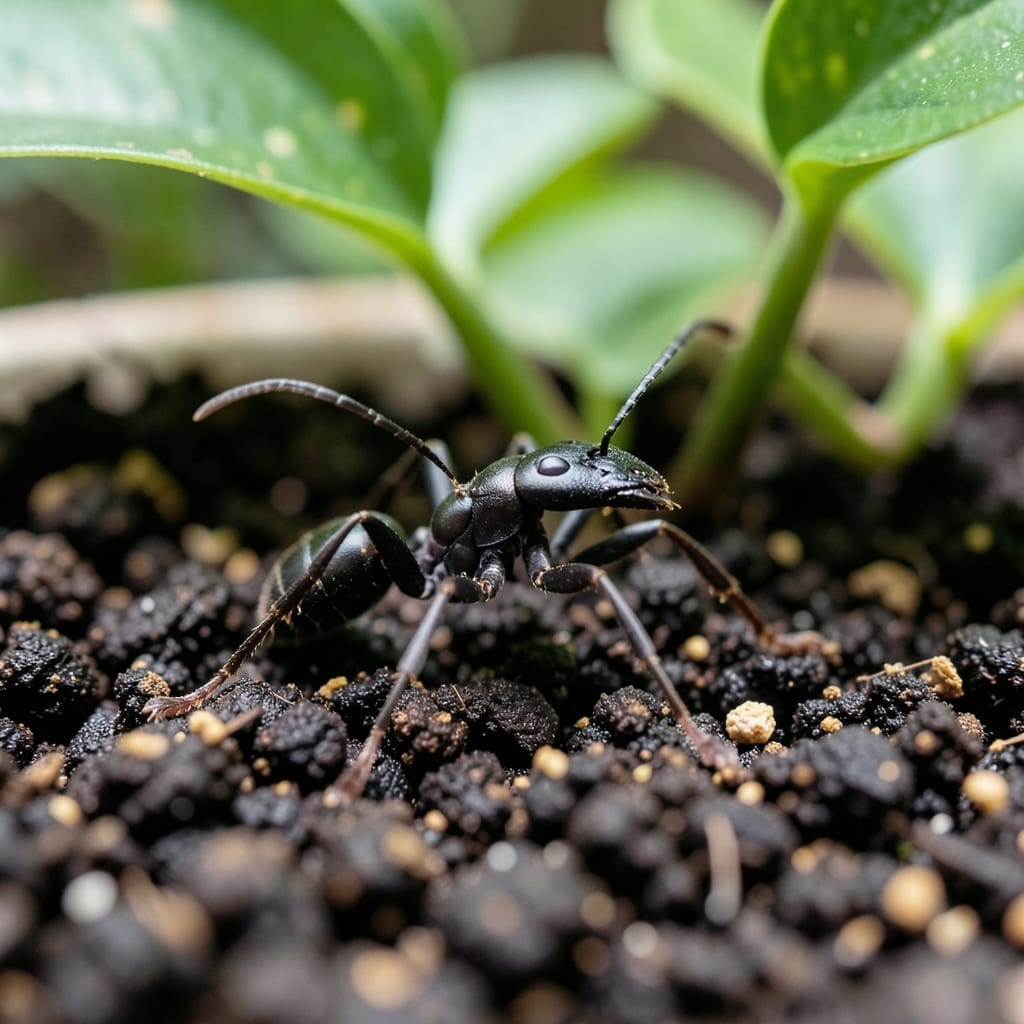
I spotted my first ant parade marching across my potted basil last spring. Tiny black dots streaming up the stem like they owned the place. Not cool.
Here’s the thing—ants in soil usually mean they’re farming aphids or hunting moisture. Either way, they can stress roots and steal nutrients from your plants. The good news? You can evict them without chemicals.
A foolproof mix of diatomaceous earth and cinnamon creates a barrier they won’t cross. Works in 24 hours and keeps plants safe. I’ve tested this on everything from herbs to houseplants.
Prevent future invasions by letting soil dry slightly between waterings and keeping pots elevated. Simple fixes, big results.
Ants often take up residence in potting soil due to a few key environmental and behavioral triggers. Understanding these causes helps you address the issue at its root.
Potting soil rich in decomposing plant material or compost acts like a buffet for ants. They’re drawn to the sugars and proteins released as organic matter breaks down. Over-fertilizing or using fresh compost can exacerbate this, as it creates a food source that lures colonies in search of sustenance.
Overwatered soil stays damp, which softens the substrate and makes it easier for ants to tunnel. Additionally, stagnant moisture fosters mold and fungus growth—another food source for ants. Poor drainage in pots (e.g., missing drainage holes or compacted soil) traps water, turning your plant’s home into a cozy ant habitat.
Potted plants provide stable, undisturbed environments—perfect for ants to build nests. Loose, airy soil (common in potting mixes) mimics their natural nesting conditions. If outdoor pots sit directly on the ground, ants may migrate upward from surrounding soil, treating the pot as an extension of their colony.
Ants are sugar scavengers. If your plants produce nectar, honeydew (from aphids), or fruit, ants will follow the scent trail straight to the pot. Even spilled syrups or pet food near indoor plants can attract them. Once they discover a food source, they’ll establish trails and nests to exploit it.
Dealing with ants in your potting soil doesn’t have to mean reaching for harsh chemicals. Here’s how to evict them naturally while keeping your plants happy.
If ants are nesting because the soil is too moist, let the top inch dry out between waterings. Ants seek damp environments, so reducing moisture removes their incentive to stay. For severe cases, repot the plant in fresh, dry soil and clean the container with soapy water to remove pheromone trails.
Sprinkle cinnamon, diatomaceous earth, or coffee grounds on the soil surface. These disrupt ant trails and deter new visitors. Reapply after watering, as moisture reduces effectiveness. For a stronger approach, mix equal parts water and vinegar and spray around the pot (avoid the plant itself).
💡 Pro Tip: Place cucumber or citrus peels near the pot—ants dislike these scents!
Create a moat! Place the pot in a shallow tray of water with a few drops of dish soap. Ants can’t cross the soapy barrier. Alternatively, wrap the pot’s base with double-sided tape or a sticky trap to catch crawling invaders.
✨ Bonus: Encourage natural predators like ladybugs or parasitic nematodes in outdoor gardens to keep ant populations in check.
They rarely damage plants directly, but they can disrupt root systems while tunneling. Their presence often indicates aphids or excess moisture, which are bigger threats.
Diatomaceous earth or cinnamon typically show results within 24-48 hours. Reapply after watering for consistent protection.
Avoid pouring vinegar on soil—it can harm plant roots. Instead, spray a vinegar-water mix around the pot’s exterior only.
Start with fresh, dry soil and elevate pots on stands. Inspect new plants thoroughly before introducing them to your space.