
Beautiful Plants For Your Interior
Beautiful Plants For Your Interior
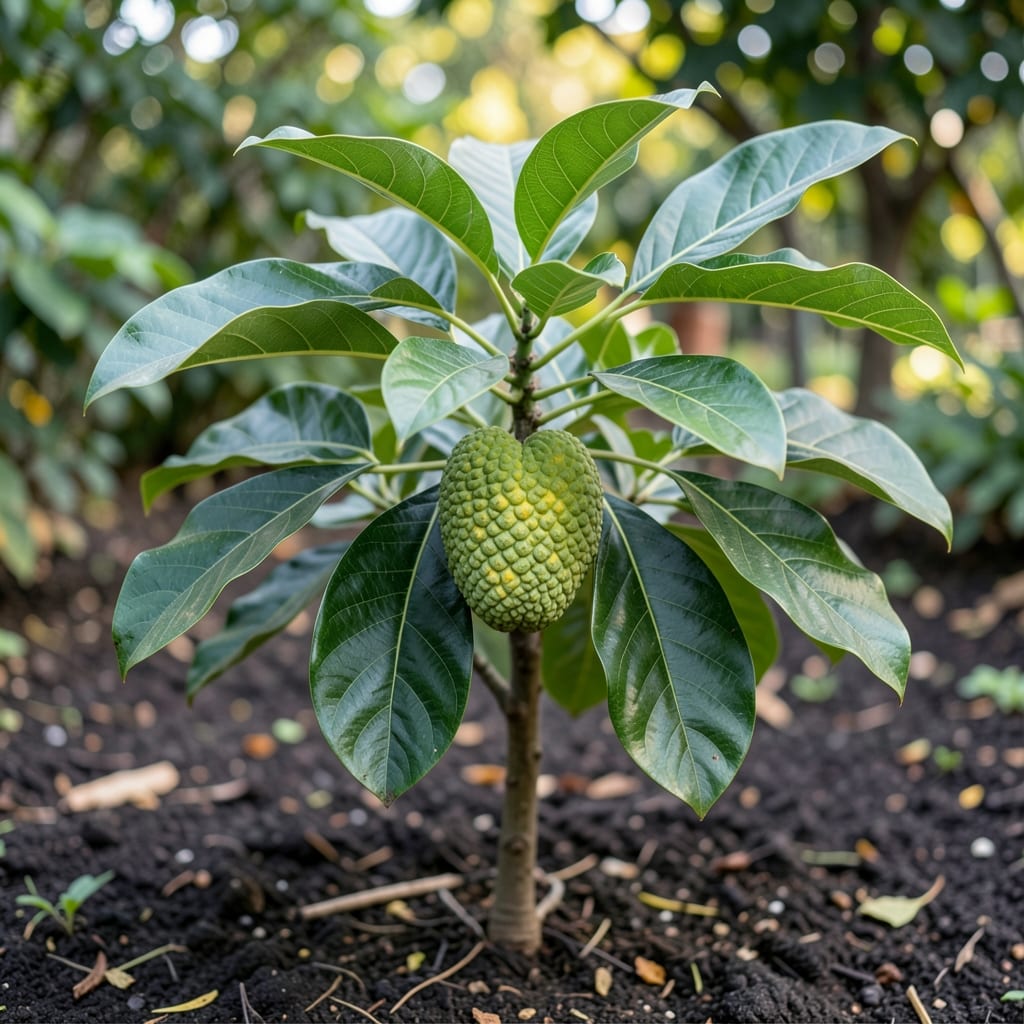
Annona fruit is commonly known as custard apple, sugar apple, or cherimoya in English, depending on the specific variety of this tropical fruit.
I’ve always been fascinated by how these names reflect their unique textures and flavors. Custard apple gets its name from the creamy, pudding-like flesh inside. Meanwhile, sugar apple hints at the sweet, grainy segments that burst with flavor. Cherimoya, often called the “custard apple of the Andes,” stands out with its smooth, almost vanilla-like taste. 🌟
💡 In This Article
The Annona genus includes over 100 species, but only a handful produce the edible fruits we recognize. Annona squamosa is the sugar apple, with its segmented, bumpy exterior hiding sweet, white flesh. Each segment contains a hard black seed, and the fruit typically weighs 150-300 grams. 🔥
Annona cherimola, or cherimoya, grows larger—often 200-500 grams—with smooth, heart-shaped skin and custard-like flesh. Its flavor profile is more complex, often compared to a mix of banana, pineapple, and vanilla. The Annona reticulata species, known as custard apple, has a net-like pattern on its skin and a texture that’s creamier than its relatives. ✨
These variations stem from differences in their native habitats. Sugar apples thrive in tropical lowlands, while cherimoya prefers the cooler, high-altitude climates of the Andes. The custard apple adapts well to subtropical regions, making it a favorite for home gardeners in zones 10-12.
The botanical traits—like seed size, flesh texture, and sugar content—directly influence their common English names. 🌟
What ties them together is their shared family traits: all are part of the Annonaceae family, known for aromatic fruits with a distinctive compound called annonaceous acetogenins. This compound contributes to their unique flavors and even has studied health benefits.
Their growth patterns also align, with trees reaching 10-20 feet tall and producing fruit within 3-5 years of planting. 💫
For gardeners, understanding these species helps in selecting the right variety. Sugar apples tolerate heat better, while cherimoya needs winter chill hours to fruit properly. Custard apples strike a balance, making them versatile for both tropical and subtropical climates.
It has a creamy texture with sweet, tropical flavors. Many compare it to a mix of banana, pineapple, and vanilla custard. The flesh is soft and spoonable when ripe.
Look for a color change from green to light yellow or grayish. Gently press the fruit—it should yield slightly like a ripe avocado. Avoid fruits with cracks or overly soft spots.
Yes, but choose dwarf varieties and use a large pot (20+ gallons). Ensure good drainage and place in full sun. Container-grown trees may need more frequent watering and feeding.
No, the seeds are not edible and should be discarded. They’re hard, black, and can be toxic if crushed or consumed in large quantities. Always remove them before eating the flesh.