
Beautiful Plants For Your Interior
Beautiful Plants For Your Interior
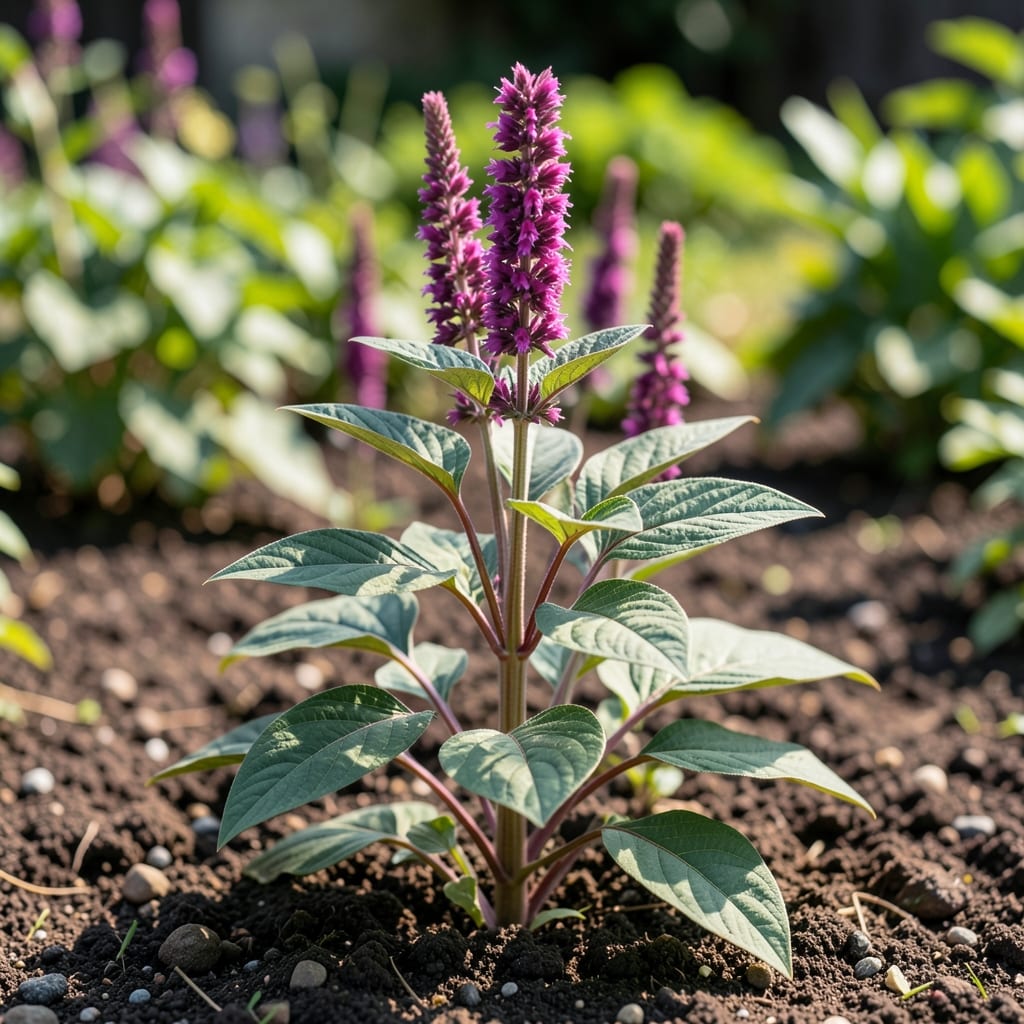
Amaranth thrives in USDA hardiness zones 5 through 11, as it requires warm soil and cannot tolerate frost. It grows best in regions with long, hot summers.
I’ve found that amaranth’s heat tolerance makes it perfect for southern gardens where temperatures often exceed 85°F. It struggles in cooler climates because the seeds need soil at least 60°F to germinate. 🔥 Gardeners in zone 5 should start seeds indoors, while those in zone 8 and above can direct sow after the last frost date.
💡 In This Article
Amaranth’s tropical origins explain its need for heat. The plant evolved in regions where temperatures consistently hover between 70-90°F, which is why it thrives in zones with extended warm seasons. Its metabolism accelerates in these conditions, allowing for rapid growth and seed production. 🔥
Soil temperature is the critical trigger for germination. At 60°F, seeds begin absorbing water and breaking dormancy, but below 50°F, the process stalls completely. This temperature sensitivity is why early planting in cool zones often fails. The plant’s vascular system also functions optimally in warmth, transporting nutrients more efficiently.
Frost is amaranth’s greatest enemy. Even light frosts at 32°F damage cell structures, causing wilting within hours. In zone 5, late spring frosts can kill young seedlings, while in zone 11, the plant may grow year-round. The difference in growing seasons between these zones can mean a 3-month variance in harvest time. ✨
Heat units, measured in growing degree days, directly impact yield. Amaranth needs approximately 2,500-3,000 growing degree days to reach maturity. In zone 7, this might take 90-110 days, while in zone 10, the same variety could mature in 60-70 days due to more consistent warmth.
Water stress compounds temperature issues. In zones with both heat and drought, like parts of zone 9, amaranth may require supplemental irrigation to prevent bolting. The plant’s shallow root system makes it particularly sensitive to moisture fluctuations during its first 4-6 weeks of growth. 💫
Yes! Use containers at least 12 inches deep and place them where they’ll get full sun. Start seeds indoors and move pots outside only after nighttime temperatures stay above 50°F. Containers warm up faster than ground soil.
Cover young plants with frost cloth or plastic jugs overnight when temperatures dip near 32°F. Remove covers during the day to allow sunlight and air circulation. This can buy you 2-4 weeks of protection.
In zones 9-11, amaranth often self-sows prolifically if you leave seed heads on the plants. You may get volunteer plants the following season. Thin them to avoid overcrowding.
Seeds planted in cold soil below 60°F may rot or fail to germinate. Even if they sprout, cold temperatures can stunt growth or cause seedlings to damp off. Always wait until soil is warm.