
Beautiful Plants For Your Interior
Beautiful Plants For Your Interior
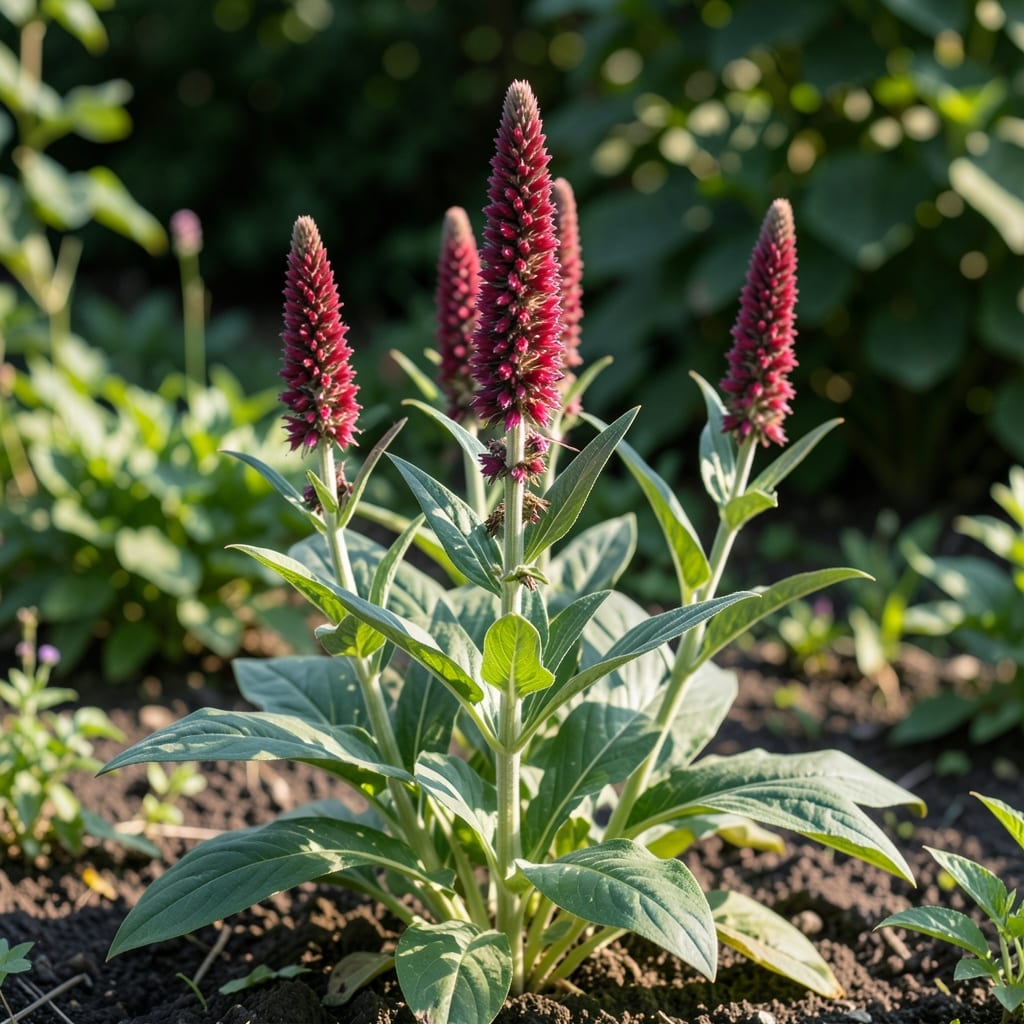
Most amaranth varieties are annuals, completing their life cycle in one growing season, but some tropical species like Amaranthus dubius can behave as short-lived perennials in frost-free zones.
In my experience, the vast majority of garden-grown amaranth fits the annual pattern, sprouting from seed, flowering, and dying back within 6-8 months. 🔥 The tropical perennials, however, can regrow from their root crowns if protected from cold, making them a fascinating option for year-round cultivation in warm climates.
Gardeners in cooler zones will need to replant each spring, while those in USDA zones 10-12 might enjoy multi-year growth from certain varieties.
💡 In This Article
The life cycle of amaranth hinges on its genetic programming and environmental conditions. Annual varieties like Amaranthus tricolor germinate, flower, produce seeds, and die within 90-120 days, driven by photoperiod sensitivity. Their seeds can remain viable in soil for 5-7 years, ensuring new generations each spring.
Tropical perennials such as Amaranthus dubius develop woody stems that survive mild winters. These plants invest energy in root systems that store nutrients, allowing regrowth from the base when temperatures stay above 40°F. This adaptation is rare in temperate climates but common in USDA zones 10-12. 🌟
Frost acts as the decisive factor. Annual amaranths produce abundant seeds (1,000-5,000 per plant) before dying at the first hard freeze. Perennials in frost-free areas may live 2-3 years, though their vigor typically declines after the first season.
Gardeners can test their variety by observing winter survival. True perennials will show new shoots from the crown in spring, while annuals must be replanted. The tropical species often have thicker, more fibrous roots compared to the taproot systems of annual types.
This dual nature explains why amaranth appears in both vegetable gardens and wild landscapes. In its native Central America, some species grow as short-lived perennials, while the same plants behave as annuals when introduced to cooler regions.
Most varieties won’t return as they’re annuals, but tropical types like Amaranthus dubius may regrow in frost-free zones. In cooler climates, even perennials typically die back after frost.
Check for woody stems at the base and new spring shoots from the crown. Perennials also have fibrous root systems instead of a single taproot. Look for these traits in USDA zones 10-12.
Yes, annuals produce 1,000-5,000 seeds per plant to ensure survival. Perennials focus energy on root growth and may produce fewer seeds since they regrow from their base.
Unlikely, as frost will kill it. Even perennial types act as annuals in zones below 9. For year-round growth, stick to zones 10-12 or grow it as an annual.