
Beautiful Plants For Your Interior
Beautiful Plants For Your Interior
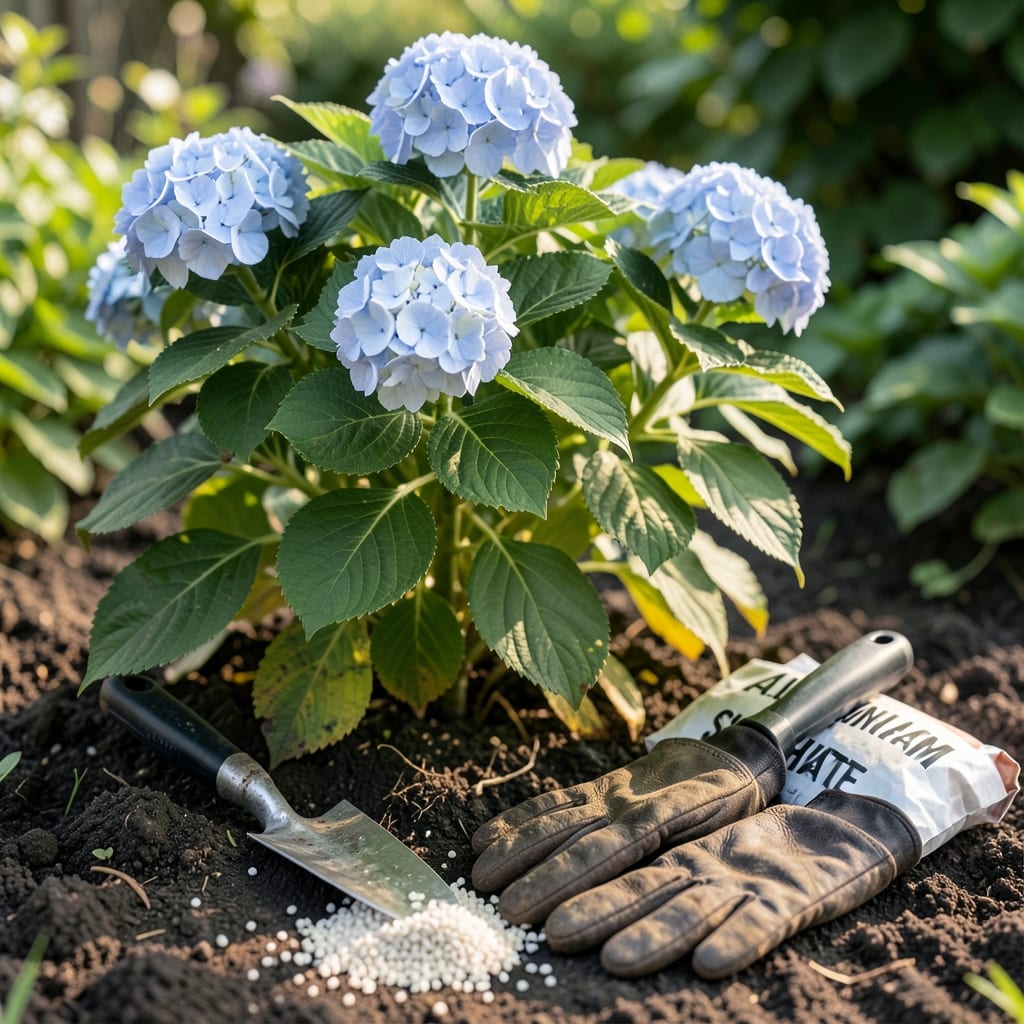
Aluminum sulfate lowers soil pH, making it ideal for acid-loving plants like hydrangeas and blueberries. It also corrects alkaline soil conditions and provides sulfur for plant nutrition.
I use this in my garden when I notice leaves yellowing from iron deficiency, which often happens in high-pH soil. The aluminum ions release hydrogen, creating that acidity plants like azaleas thrive in. 🔥
Just remember it works fast, so I test soil after a few days and adjust carefully to avoid over-acidifying.
💡 In This Article
When aluminum sulfate dissolves in moist soil, it releases aluminum ions that react with water to form aluminum hydroxide and sulfuric acid. This chemical reaction is what creates the immediate pH drop. The aluminum ions effectively displace calcium and magnesium from soil particles, which are then washed away, further acidifying the environment. 🔥
This pH reduction unlocks nutrients that were previously unavailable. Iron, manganese, and phosphorus become more soluble in acidic conditions, which is why plants like blueberries and azaleas respond so dramatically. Without this acidity, these essential nutrients remain chemically bound to the soil and inaccessible to plant roots.
What makes aluminum sulfate particularly effective is its dual action. While the aluminum ions work to replace alkaline minerals, the sulfate portion provides sulfur, an essential micronutrient. This one-two punch addresses both pH imbalance and nutrient deficiency simultaneously. Most gardeners notice visible improvements within 7-14 days of application. ✨
The process isn’t just chemical—it’s also physical. The aluminum hydroxide created forms a gel-like substance that can improve soil structure over time. However, this same property means it’s crucial to apply it evenly and water thoroughly to prevent localized over-acidification. The ideal soil pH for most acid-loving plants ranges between 4.5-5.5. 💫
For comparison, agricultural lime (calcium carbonate) works in the opposite way, raising pH by adding alkaline minerals. Where lime might take 2-3 months to fully integrate, aluminum sulfate begins working within 24-48 hours. This rapid action makes it ideal for quick corrections but requires careful monitoring to avoid overshooting your target pH.
You’ll see pH changes within 24-48 hours of application. This rapid action makes it great for quick corrections, but test soil after a few days to avoid over-acidifying your plants.
No, only use it for acid-loving plants like blueberries, azaleas, or hydrangeas. Applying it to pH-neutral plants like tomatoes can harm them by making soil too acidic.
Always wear gloves and a dust mask when handling the powder. Avoid inhaling it and wash hands thoroughly after use to prevent skin irritation.
Retest soil pH after 2-3 weeks and reapply only if needed. Most gardens require treatment 1-2 times per year to maintain the desired acidity level.