
Beautiful Plants For Your Interior
Beautiful Plants For Your Interior
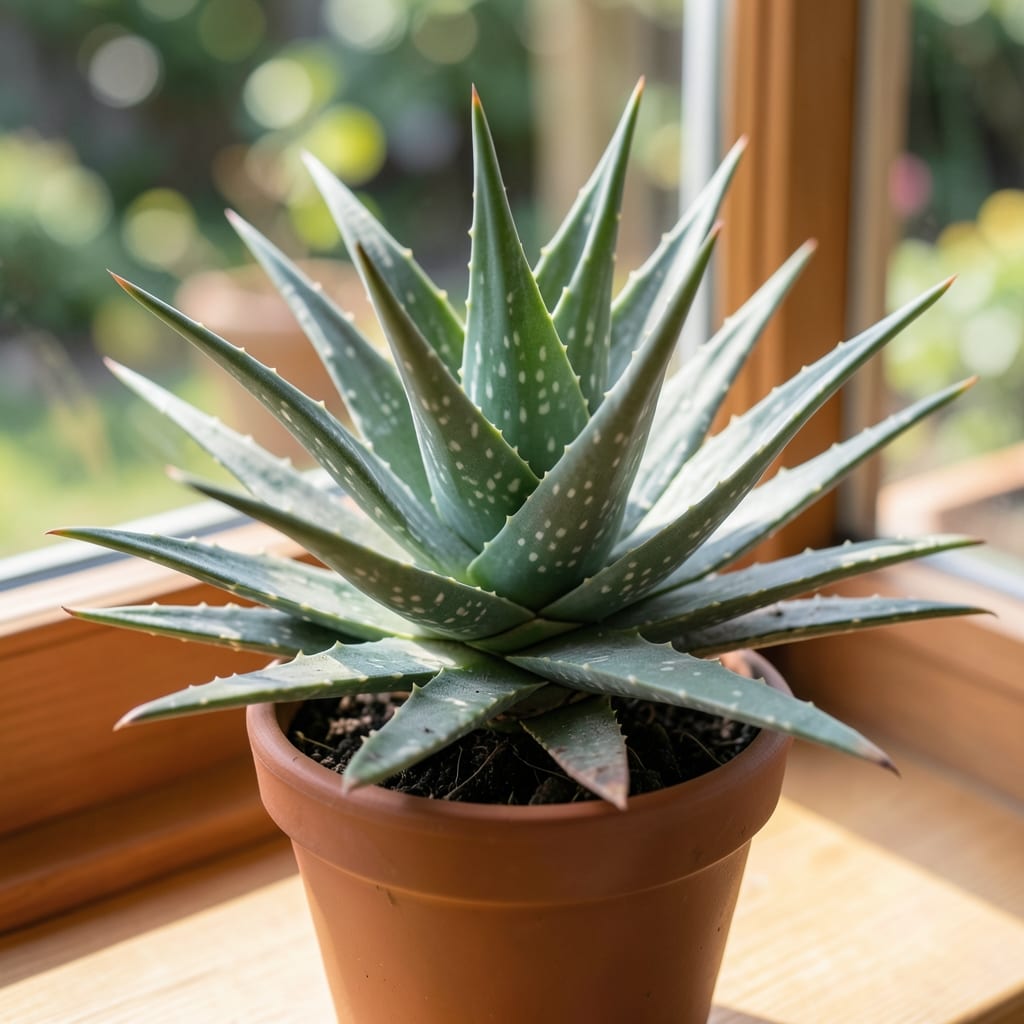
Aloe vera thrives in warm, dry climates with well-draining soil and full sun. It requires minimal watering, making it ideal for low-maintenance gardens and drought-prone areas.
I’ve found that this hardy plant does best in sandy or rocky soil that prevents waterlogging, which can rot its roots. Its ability to store water in its thick leaves means you can often go 2-3 weeks without watering in dry conditions. This makes it perfect for forgetful gardeners or those in arid regions. 🔥
💡 In This Article
Aloe vera’s success in gardens stems from its native adaptation to arid environments. In its natural habitat, this succulent stores water in its gel-filled leaves to survive prolonged droughts. This evolutionary trait means it thrives in soil with pH 6.0-8.0 that drains quickly, preventing root rot from water saturation.
The plant’s thick cuticle also minimizes water loss through transpiration.
Sunlight is another critical factor. Aloe vera needs 6-8 hours of direct sunlight daily for optimal growth. The plant uses sunlight to power photosynthesis in its chlorophyll-rich outer leaf layer, producing the energy it stores in its gel. Insufficient light leads to etiolated, leggy growth as the plant stretches toward light sources.
In extreme heat above 90°F, however, the leaves may scorch without afternoon shade.
The temperature sweet spot for aloe vera ranges from 55-80°F. Below 50°F, growth slows significantly, and frost can be fatal. This is why it’s classified as a tender perennial in USDA zones 9-11. For colder climates, container growing allows you to move plants indoors when temperatures drop.
The plant’s cold sensitivity comes from its high water content—frozen cells rupture, causing irreversible damage.
Watering frequency should mimic desert conditions. In summer, a deep soak every 2-3 weeks suffices, while winter may require only monthly watering. The key is letting the soil dry completely between waterings. Overwatering is the most common killer of aloe vera, as soggy soil encourages fungal infections and root rot.
A good rule of thumb: water when the top 2-3 inches of soil feel dry to the touch. 🔥
Soil composition dramatically impacts health. A mix of 50% potting soil, 30% coarse sand, and 20% perlite creates ideal drainage. This blend prevents compaction while allowing roots to access both moisture and air.
In clay-heavy soils, amending with 1-2 inches of compost and sand can improve conditions, but raised beds often work better for problematic soils.
Water deeply every 2-3 weeks in summer, and even less in winter. Always let the soil dry completely between waterings to prevent root rot. The top 2-3 inches should feel dry before you water again.
No, aloe vera is frost-sensitive and can die if exposed to temperatures below 50°F. In colder climates, grow it in containers so you can move it indoors when temperatures drop.
Use a well-draining mix with 50% potting soil, 30% coarse sand, and 20% perlite. This prevents waterlogging and mimics its natural desert habitat. Avoid heavy clay soils.
Remove offsets (baby plants) when they’re 3-4 inches tall. Let the cut ends callous for 1-2 days, then plant in cactus mix. Keep soil barely moist for the first 2 weeks.