
Beautiful Plants For Your Interior
Beautiful Plants For Your Interior
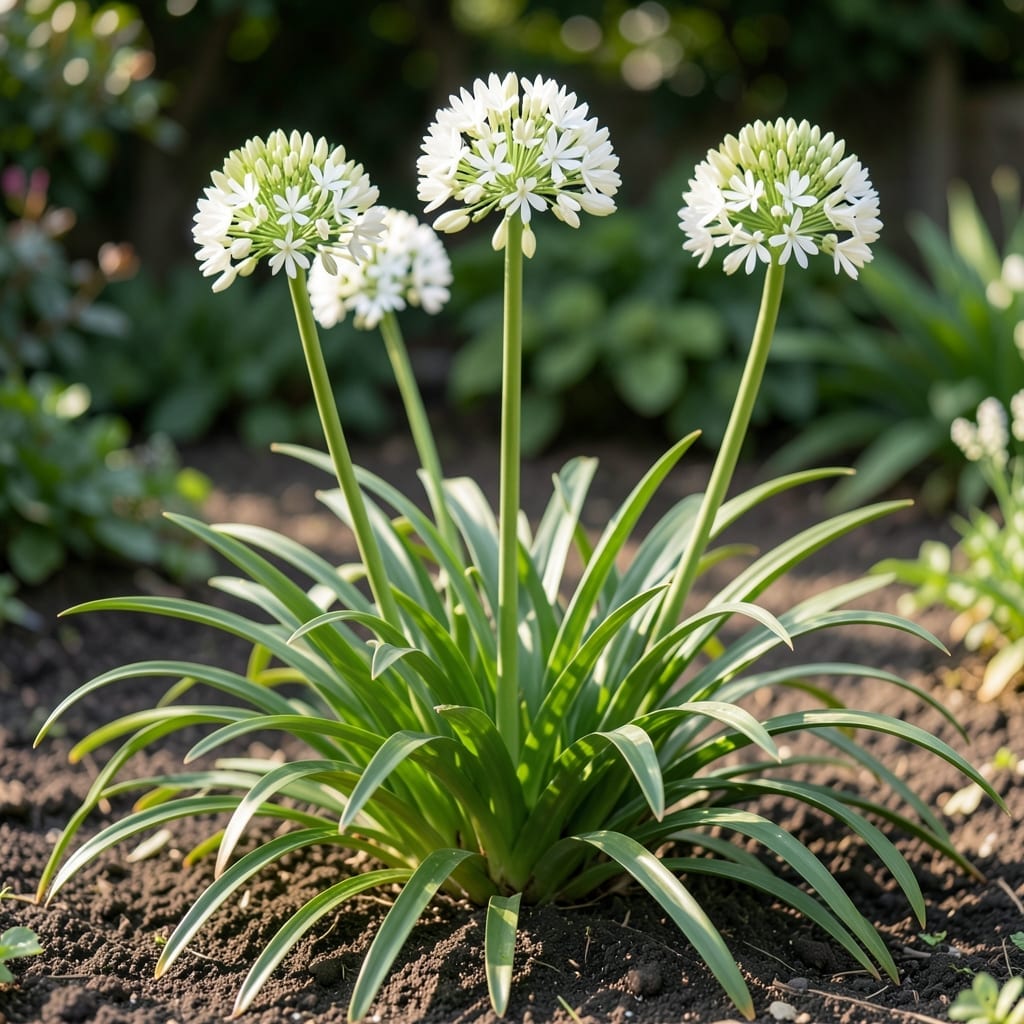
I fell in love with African white lilies after seeing their ball-shaped flower clusters swaying in a neighbor’s garden. They’re surprisingly low-maintenance once established.
These plants thrive in full sun with well-draining soil and moderate watering. With the right care, you’ll get months of stunning blooms every summer.
📚 In This Guide
This method delivers stunning blooms reliably, even if you’re new to these elegant plants.
Choose a location with partial to full sun, as African white lilies thrive with 6-8 hours of sunlight daily. The soil should be well-draining and rich in organic matter—clay-heavy or waterlogged soil will cause bulb rot. I always amend the site with compost to a depth of 12-18 inches to improve both drainage and fertility.
Test drainage by digging a 1-foot deep hole and filling it with water. If it drains within 1-2 hours, you’re good to go. If not, consider raising the bed or adding perlite to the soil mix. The ideal pH range is slightly acidic to neutral (6.0-7.0).
Plant bulbs in spring or early summer when the soil temperature reaches at least 60°F. Space bulbs 12-18 inches apart to allow for mature growth and air circulation. Dig holes 4-6 inches deep—about three times the height of the bulb—and place them pointed end up.
Backfill with soil and press down gently to remove air pockets, which can dry out roots. Water thoroughly after planting to settle the soil and encourage root establishment. I’ve found that mulching with 2-3 inches of organic matter helps retain moisture and suppress weeds while keeping soil temperatures stable.
Water deeply once or twice weekly, ensuring the soil stays consistently moist but not soggy. African white lilies are somewhat drought-tolerant once established, but they bloom best with regular moisture. During active growth, 1-1.5 inches of water per week is ideal, including rainfall.
Feed with a balanced, water-soluble fertilizer every 4-6 weeks during the growing season. I prefer a 10-10-10 or 20-20-20 formula, applied at half strength to avoid burning the plants. Stop fertilizing once the foliage begins to yellow in fall, as the plant enters dormancy.
Stake tall varieties if needed, as African white lilies can reach 3-4 feet in height. Use bamboo stakes or decorative supports to keep stems upright, especially in windy areas. Remove spent blooms promptly to encourage more flowers and prevent seed formation, which can divert energy from bulb storage.
Monitor for pests like aphids or lily beetles, which can damage foliage and flowers. A strong blast of water often dislodges aphids, while handpicking or neem oil works for beetles. Avoid overhead watering in the evening to reduce the risk of fungal diseases like botrytis.
After flowering, allow the foliage to die back naturally—this is when the bulb stores energy for next year’s blooms. Reduce watering as the leaves yellow and wither. In colder climates (USDA zones 7 and below), apply a 4-6 inch layer of mulch over the planting area to protect bulbs from freezing temperatures.
In spring, remove mulch gradually as new growth emerges. If your lilies become crowded or bloom production declines after 3-4 years, dig up the bulbs in fall, separate offsets, and replant the healthiest ones. This rejuvenates the planting and ensures vigorous blooms year after year.
These insights will help you avoid common pitfalls and grow stunning blooms.
Sunlight Optimization: The 6-8 hours of sunlight daily requirement is non-negotiable for vibrant blooms. If your garden gets intense afternoon sun, consider planting in a spot with morning sun and afternoon shade to prevent leaf scorch. I learned this the hard way after my first batch struggled in full, unfiltered sunlight.
Drainage Test Reality Check: That 1-2 hours drainage test in Step 1 isn’t just a suggestion—it’s your early warning system. If water lingers beyond 2 hours, you absolutely must amend the soil. Clay-heavy soil will suffocate the bulbs. Perlite and compost are your best friends here.
Planting Depth Precision: The 4-6 inches deep guideline in Step 2 is critical. Planting too shallow exposes bulbs to temperature swings, while too deep delays sprouting. Measure from the bulb’s base to the soil surface—three times the bulb’s height is the perfect ratio. Trust me, your future blooms depend on this.
Fertilizer Timing: That 4-6 weeks feeding schedule during growing season keeps the nutrients steady without overwhelming the plant. Always apply fertilizer to moist soil, never dry, to prevent root burn. And remember to stop entirely when foliage yellows—this signals the bulb’s dormancy preparation.
Water when the top inch of soil feels dry, typically every 5-7 days. Avoid overwatering, as soggy soil can cause root rot. These lilies prefer consistent moisture but not waterlogged conditions.
Plant in early spring or fall for best results. This timing allows roots to establish before extreme heat or cold. In warmer climates, fall planting often yields stronger, more vibrant blooms.
Watch for aphids, snails, and fungal diseases like botrytis. Use organic insecticides or neem oil for pests, and ensure good airflow to prevent fungal issues. Remove affected leaves promptly.
Yes! Use a well-draining potting mix and a container with drainage holes. Dwarf varieties work best. Place in partial shade and keep soil evenly moist for healthy growth.