
Beautiful Plants For Your Interior
Beautiful Plants For Your Interior
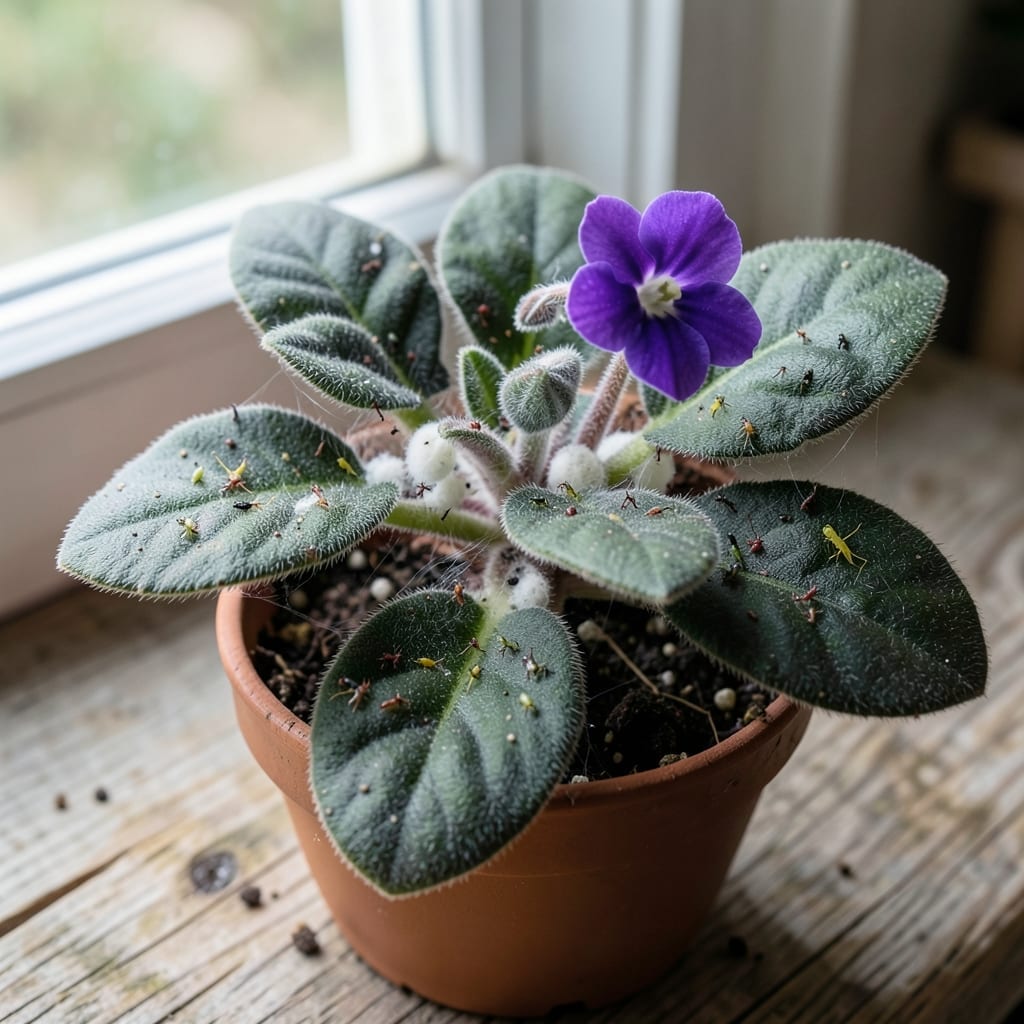
My first African violet pest outbreak taught me a hard lesson—tiny invaders can destroy delicate plants fast. Spotting them early is everything.
I’ve seen mealybugs, spider mites, and thrips wreak havoc on these beauties. Each leaves distinct damage: sticky residue, webbing, or speckled leaves. The key is knowing what you’re looking at.
This guide helps you match symptoms to pests using clear photos. You’ll learn exact treatment steps that work without harsh chemicals, keeping your violets thriving.
Prevention is simpler than cure. A few habit changes can stop these pests before they start.
African violets, with their lush foliage and vibrant blooms, can unfortunately attract a variety of pests. Understanding why these invaders appear is the first step to prevention and control. Below are the primary causes, each backed by science and practical insights.
African violets thrive in moderate humidity (40-60%), but extreme conditions create ideal breeding grounds for pests. High humidity encourages fungal gnats and mealybugs, which lay eggs in moist soil. Conversely, low humidity stresses the plant, weakening its natural defenses and making it more susceptible to spider mites and thrips, which thrive in dry conditions.
Stagnant air traps moisture and warmth, creating a perfect microclimate for pests like whiteflies and aphids. These pests not only feed on plant sap but also spread rapidly in still environments. Ensure your African violets are placed in areas with gentle airflow to deter infestations.
Pests often hitch a ride on unsterilized potting mix or contaminated water. Fungal gnat larvae, for example, thrive in soil rich in organic matter. Always use pasteurized soil and avoid overwatering, which can create a damp, inviting environment for pests.
Plants grown too close together compete for resources, leading to weakened immunity. Stressed African violets produce fewer defensive compounds, making them easy targets for pests like scale insects and spider mites. Space your plants properly and maintain their health with balanced light and nutrients.
Pests can enter your collection through newly purchased plants or unclean gardening tools. Always quarantine new additions for at least 2-3 weeks and sterilize tools with rubbing alcohol to prevent cross-contamination.
Dealing with pests on your African violets? Here’s how to tackle the most common invaders and restore your plant’s health. Follow these targeted solutions for each pest, paired with prevention tips to keep them from returning.
These tiny red or brown pests create fine webbing on leaves. Fix: Gently wipe leaves with a damp cloth soaked in lukewarm water and mild dish soap. For severe cases, use a neem oil spray (1 tsp neem oil + 1 quart water + ½ tsp dish soap) every 5–7 days until gone. Prevent: Increase humidity around your plant and avoid dry, dusty conditions.
White, cottony clusters on stems or leaf joints signal mealybugs. Fix: Dip a cotton swab in rubbing alcohol (70%) and dab each bug directly. Repeat daily for a week. For larger infestations, spray with insecticidal soap. Prevent: Inspect new plants thoroughly before bringing them near your violets.
Thin, dark insects or silvery streaks on leaves mean thrips. Fix: Remove heavily infested leaves and spray the plant with a pyrethrin-based insecticide (follow label instructions). Repeat every 3–4 days for 2 weeks. Prevent: Keep your growing area clean and free of plant debris.
Tiny black flies hovering around soil? They’re fungus gnats. Fix: Let the top 1–2 inches of soil dry completely between waterings. Use yellow sticky traps to catch adults. For larvae, water with a hydrogen peroxide solution (1 part 3% peroxide to 4 parts water). Prevent: Avoid overwatering and use sterile potting mix.
💡 Pro Tip: Always quarantine new plants for 2–3 weeks to prevent pest spread. Regularly check the undersides of leaves for early signs of trouble!
Look for tiny webbing under leaves or between stems. Leaves may also appear speckled or discolored. Use a magnifying glass to spot these tiny red or brown pests early.
Those are likely mealybugs, which thrive in warm, humid conditions. They cluster in leaf joints and under foliage. Treat immediately with rubbing alcohol on a cotton swab to prevent spreading.
Yes, damp soil invites fungus gnats and root rot. Let the top 1-2 inches of soil dry between waterings. Use sterile potting mix and avoid soggy conditions to deter pests.
Sticky traps work best for flying pests like fungus gnats and whiteflies. For crawling pests like mealybugs or thrips, direct treatment with insecticidal soap or neem oil is more effective.