
Beautiful Plants For Your Interior
Beautiful Plants For Your Interior
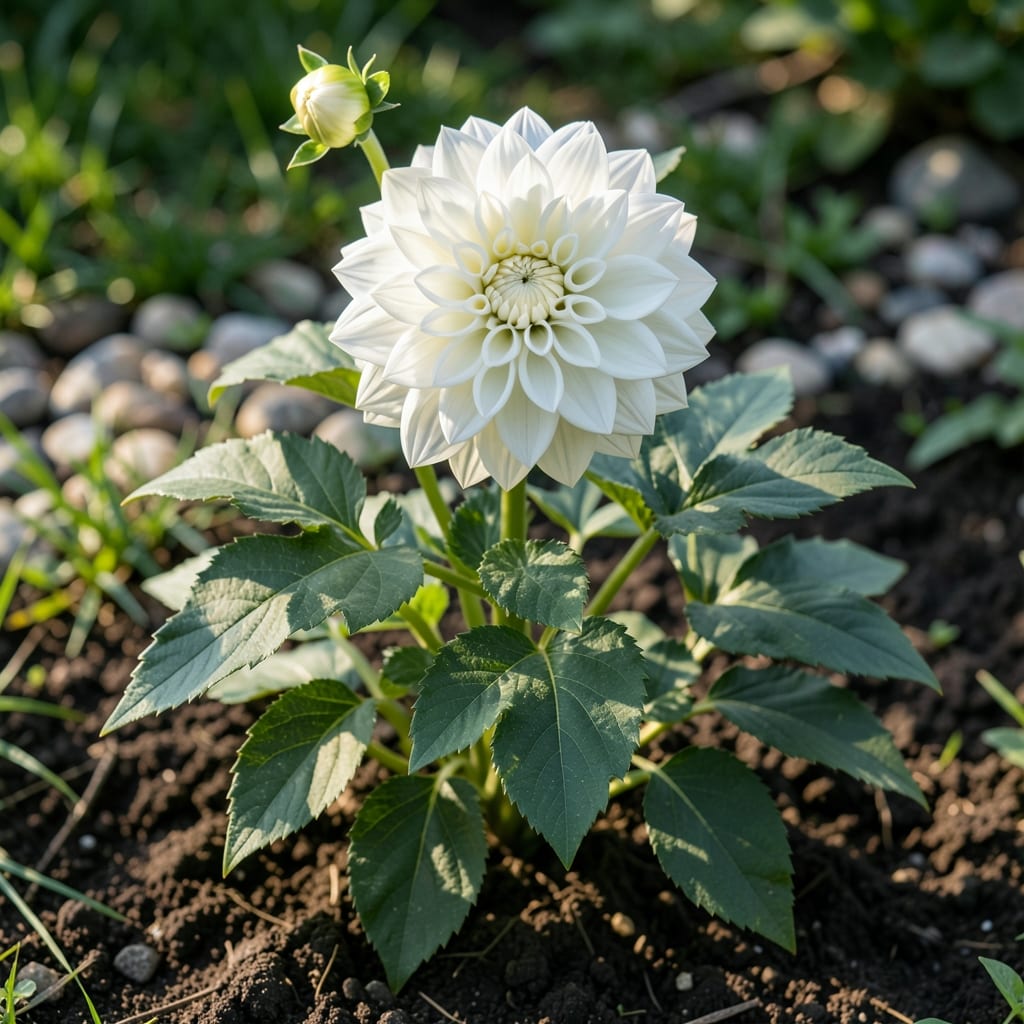
There’s nothing quite like the crisp elegance of white dahlias in full bloom. I fell for these stunners after seeing them brighten a neighbor’s garden last summer.
They demand full sun and well-drained soil, but reward you with show-stopping flowers that keep coming from mid-summer until frost. Perfect for cutting or admiring right where they grow.
📚 In This Guide
This method ensures robust tubers and stunning blooms with minimal fuss.
Begin with firm, healthy tubers that show visible eyes (small bumps where growth emerges). I always choose tubers that feel heavy for their size—lightweight or shriveled ones often fail to establish. Soak them in lukewarm water for 1 hour to rehydrate before planting.
Inspect each tuber carefully. Discard any with soft spots, mold, or a musty smell. These are signs of rot that will spread to healthy tubers. A sharp knife dipped in rubbing alcohol can trim away minor damage, but only if the majority of the tuber remains solid.
Dig planting holes 6-8 inches deep and 12-18 inches apart. Space them closer for a lush, full display or farther apart for larger varieties. Place each tuber horizontally with the eyes facing upward—this ensures proper orientation for sprouting.
Cover with 2-3 inches of soil initially, leaving the top portion exposed. As shoots emerge, gradually mound soil around the base to encourage stability. This method prevents toppling during heavy summer storms and supports the plant’s weight as it matures.
Position your dahlias where they’ll receive full sun (at least 6-8 hours daily). White varieties tolerate partial afternoon shade in hotter climates, but too little light results in weak stems and sparse blooms. I’ve found that morning sun with afternoon shade works best in zones with intense heat.
Install stakes or cages at planting time to avoid damaging roots later. Use bamboo stakes or sturdy metal supports, tying stems loosely with soft plant ties. This prevents the heavier white blooms from weighing down and snapping the stems.
Water deeply after planting, then maintain consistent moisture—1-2 inches per week—but avoid waterlogging. Dahlias thrive when the soil is evenly moist but not soggy. A 2-3 inch layer of mulch helps retain moisture and keeps soil temperatures stable.
Fertilize lightly with a balanced 10-10-10 formula once shoots reach 6 inches tall. Switch to a low-nitrogen, high-phosphorus fertilizer as buds form to encourage blooming. Over-fertilizing leads to excessive foliage at the expense of flowers, so I apply fertilizer every 3-4 weeks during the growing season.
Pinch off the first set of buds to encourage bushier growth and more abundant blooms later. This may feel counterintuitive, but the plant responds by producing multiple stems instead of a single flower. Remove spent blooms regularly by cutting back to the nearest set of leaves or side bud.
Watch for pests like aphids or earwigs, which are attracted to dahlias. A strong spray of water dislodges aphids, while diatomaceous earth around the base deters earwigs. White varieties can be prone to powdery mildew in humid conditions, so ensure good air circulation between plants.
Small adjustments in your approach can make a big difference in bloom quality.
Sunlight Essentials: Ensure your dahlias get the full 6-8 hours of direct sunlight daily as specified. Morning sun is ideal, but afternoon exposure works too—just avoid deep shade, which leads to leggy stems and sparse blooms. I’ve seen plants struggle with only 4-5 hours of light.
Soil Preparation Insight: When loosening the soil to 12-15 inches deep in Step 1, take your time. Compacted soil stunts root growth, and the 2-3 inch layer of compost is non-negotiable for fertility. If your soil is heavy clay, consider a raised bed to improve drainage.
Planting Depth Matters: In Step 2, planting tubers 6-8 inches deep with the old stem facing up is critical. Too shallow, and they’ll dry out; too deep, and they’ll rot. Also, spacing them 18-24 inches apart prevents overcrowding and disease.
Overwintering Precision: After the first frost, wait the full 10-14 days before digging up tubers. This drying period toughens the skins, and storing them at 40-50°F in damp peat moss prevents shriveling. I check mine monthly and mist as needed.
White dahlias thrive in well-drained soil with full sun (6+ hours daily). Water deeply 2-3 times weekly, avoiding overhead sprinkling to prevent mildew. Deadhead spent blooms to encourage more flowers and stake tall varieties for support.
Plant tubers after the last frost when soil warms to 60°F (typically spring). In colder zones, start indoors 4-6 weeks early. For annuals, sow seeds in early summer for late-season blooms.
Pair with low-growing plants like lavender, cosmos, or salvia to complement their height. Avoid aggressive spreaders (e.g., mint) that compete for nutrients. Silver foliage (e.g., dusty miller) enhances their elegance.
Yellowing often signals overwatering or poor drainage. Check soil moisture—let it dry slightly between waterings. Nutrient deficiencies (e.g., nitrogen) or pests like aphids can also cause this; treat with organic sprays if needed.