
Beautiful Plants For Your Interior
Beautiful Plants For Your Interior
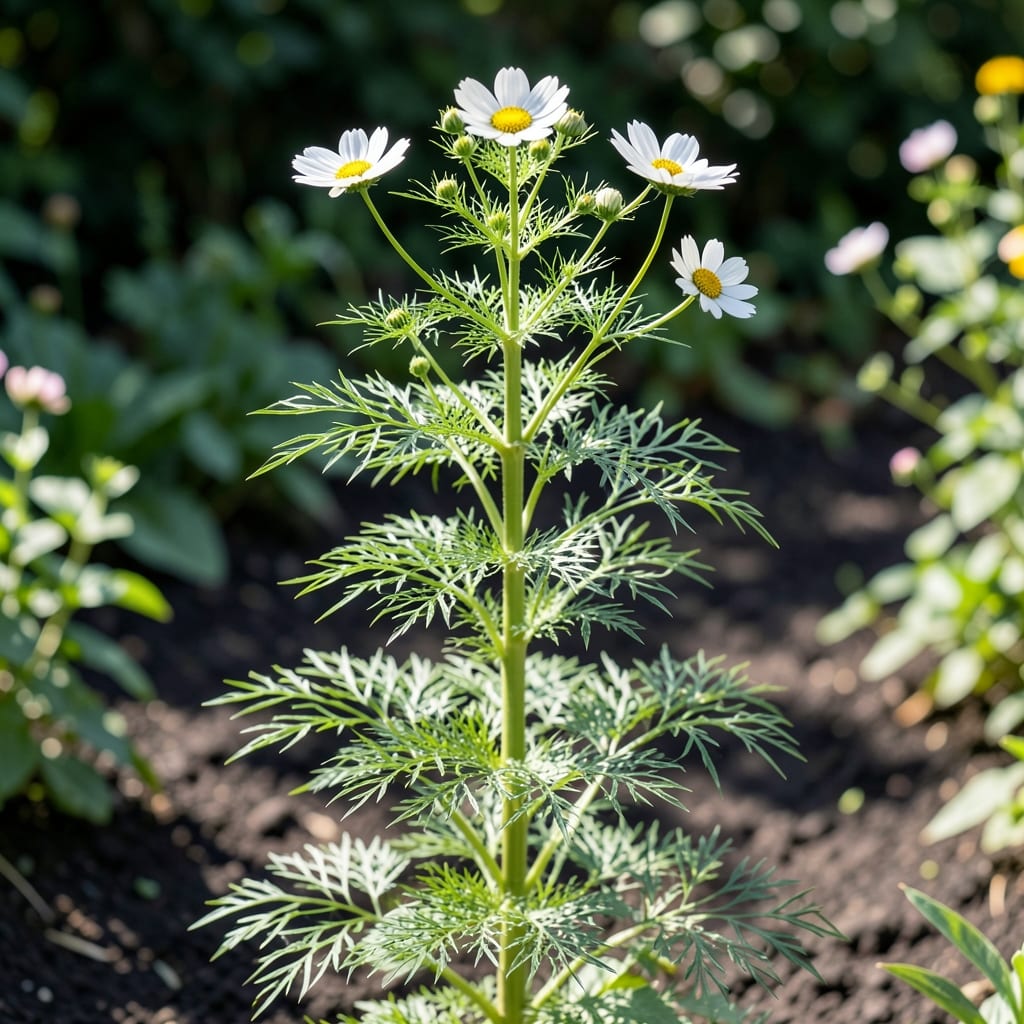
White petals swaying in the breeze changed my summer garden forever. These cosmos thrive with minimal fuss, transforming bare spots into clouds of elegance by midsummer.
Plant them in full sun with well-draining soil, and they’ll reward you with 4-month blooms. Drought-tolerant and pest-resistant, they’re the definition of low-maintenance luxury.
📚 In This Guide
Here’s the method I use to coax these elegant, cloud-like blooms into their fullest expression.
Choose a location with full sun—cosmos thrive in at least 6-8 hours of direct sunlight daily. Afternoon White varieties, in particular, reward you with brighter, more luminous petals when given abundant light. Test your site by observing where the sun lingers longest; these plants won’t tolerate shade well.
Work the soil to a depth of 12-18 inches, removing rocks and breaking up clumps. Cosmos prefer well-draining soil, so if your ground is heavy clay, amend it with compost to improve texture. Avoid overly rich soil—too much fertility leads to lush foliage but fewer blooms.
Direct-sow seeds outdoors after the last frost when soil temperatures reach 60-70°F. In most regions, this means planting in late spring. Cosmos dislike being transplanted, so starting seeds indoors often results in stunted growth once moved outside.
Scatter seeds thinly over the prepared soil, pressing them in lightly so they make contact but remain exposed to light. Space them about 12-18 inches apart—they’ll fill in quickly. Water gently to avoid displacing the seeds, and keep the soil moist until germination, which typically occurs in 7-10 days.
Once seedlings emerge and develop 2-3 sets of true leaves, thin them to stand 18-24 inches apart. Crowded plants compete for light and air, leading to weak stems and sparse blooms. Use sharp scissors to snip unwanted seedlings at soil level rather than pulling, which can disturb the roots of nearby plants.
Afternoon White cosmos grow tall—often reaching 4-6 feet—so install supports early if your garden is windy. I use simple bamboo stakes or twine strung between posts. Securing stems as they grow prevents them from flopping over during summer storms.
Water deeply but infrequently, aiming for about 1 inch per week once established. Cosmos are drought-tolerant, and overwatering encourages weak growth and fungal issues. Let the top 1-2 inches of soil dry out between waterings to mimic their native, arid conditions.
Avoid high-nitrogen fertilizers, which promote leafy growth at the expense of flowers. A light application of balanced, slow-release fertilizer at planting is sufficient. Real talk: these plants often bloom better in poorer soil, as long as drainage is good.
Remove spent flowers regularly to encourage more blooms. Deadheading redirects the plant’s energy from seed production to flower formation. Pinch or cut off faded blooms just above the next set of leaves or side bud—this keeps the plant tidy and promotes branching.
Watch for signs of stress, like yellowing leaves or powdery mildew, which can appear in humid conditions. If you notice these issues, improve air circulation by spacing plants further apart and watering at the base to keep foliage dry. With minimal care, Afternoon White cosmos will reward you with profuse, ethereal blooms from midsummer until frost.
These refined techniques will help you cultivate the most vibrant blooms with minimal effort.
The Sunlight Factor: The 6-8 hours of direct sunlight isn’t just a suggestion—it’s critical for those luminous white petals. I learned this the hard way after planting a test batch in partial shade. The blooms were smaller and duller. Position your site where the afternoon sun is strongest; these plants thrive on that intense light.
Soil Preparation Tip: When working the soil to 12-18 inches deep, resist the urge to add too much compost. Afternoon White cosmos prefer leaner soil, and excessive fertility will give you more leaves than flowers. Focus on breaking up compacted areas and ensuring good drainage instead.
Timing Secret: Planting when soil reaches 60-70°F is non-negotiable for germination success. I check my soil temperature with an inexpensive thermometer—it’s saved me from planting too early in cooler springs. The seeds typically sprout within 7-10 days when conditions are right.
Support Strategy: Don’t wait until your cosmos are 4-6 feet tall to install supports. I set up my bamboo stakes when seedlings are about a foot high. This early intervention prevents stem damage and ensures your plants grow upward rather than sprawling across the garden.
Plant in early spring after the last frost or late fall in warm climates. They thrive in full sun and well-drained soil.
Water deeply once a week, allowing soil to dry between waterings. Overwatering can lead to root rot, so moderate moisture is key.
Yes! Consider white zinnias, daisies, or gaura for similar elegance. These also attract pollinators and bloom beautifully in the afternoon sun.
Check sunlight (6+ hours daily), soil fertility, and deadheading spent blooms. Too much nitrogen can delay flowering.