
Beautiful Plants For Your Interior
Beautiful Plants For Your Interior
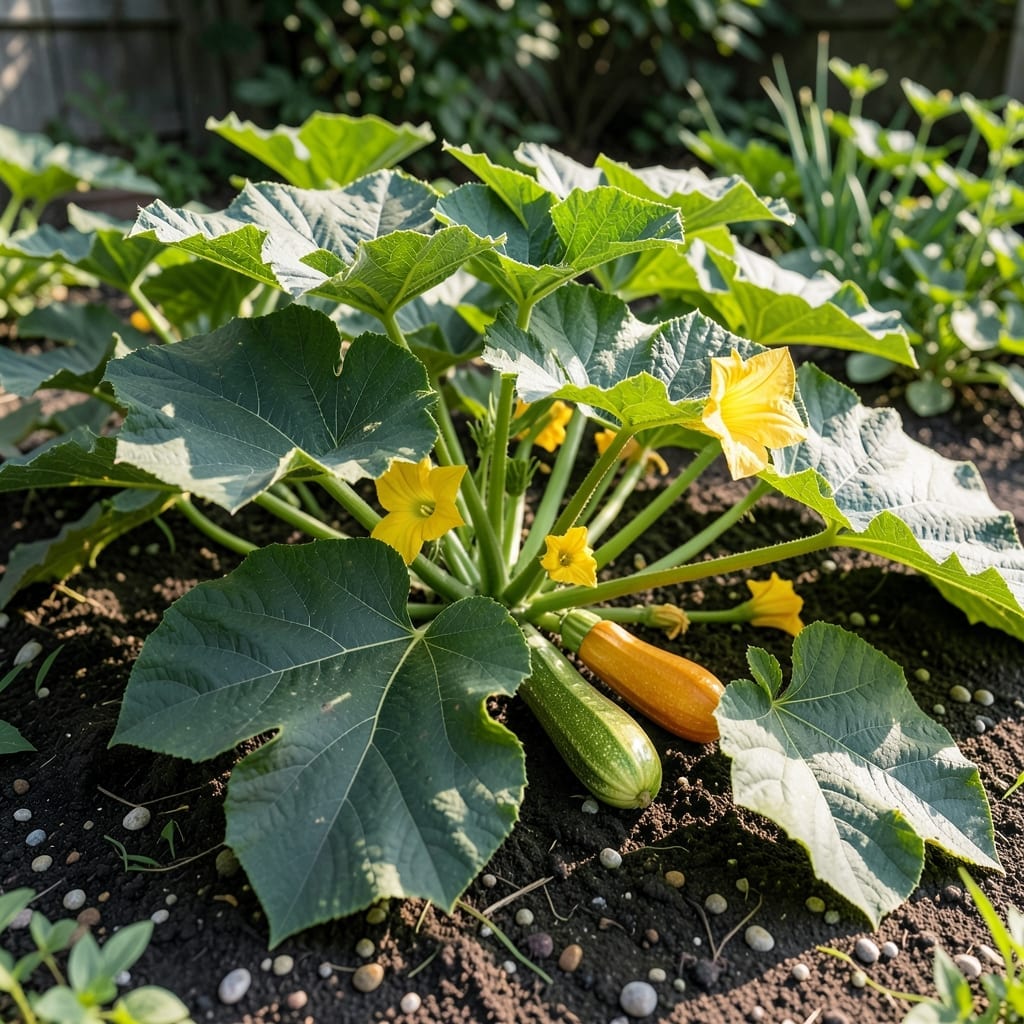
I first spotted it at the farmers market and did a double take. The rounded shape and ribbed skin looked like a mini pumpkin, but the plant tag clearly said zucchini.
These aren’t some strange mutation—they’re specific varieties bred to mimic pumpkins while keeping that classic zucchini flavor. The plants grow just like regular zucchini, with the same vigorous vines and high yields, but produce fruit that fools the eye.
You’ll get the same fast growth and abundant harvest as standard types, with the bonus of conversation-starting produce. They’re perfect for gardeners who love growing something a little different.
Plant them in full sun with rich soil, and you’ll be picking these pumpkin lookalikes all season long.
Growing a zucchini that looks like a pumpkin can be fascinating—and a little confusing! This unusual shape isn’t random; it’s usually tied to genetics, growing conditions, or environmental factors. Below are the most common causes, explained simply but grounded in science.
Some zucchini varieties are bred to produce round or pumpkin-like shapes. These are often heirloom or specialty types, such as ‘Ronde de Nice’, a French heirloom zucchini that naturally grows in a flattened, round form. If you planted one of these intentionally or accidentally, genetics are the culprit. Even standard zucchini can throw off round fruits if pollinated by a similar squash or pumpkin in the Cucurbita pepo family, leading to cross-pollination and hybrid shapes.
Zucchinis are sensitive to their growing conditions. Inconsistent watering (too much or too little) can cause uneven growth, sometimes resulting in a stunted, rounded shape. Similarly, poor soil fertility—especially a lack of nitrogen—can limit vine growth, forcing the fruit to develop in a compact, pumpkin-like form. Extreme temperature swings during fruit set may also disrupt normal elongation.
Incomplete or delayed pollination can lead to misshapen zucchinis. If pollen transfer is poor (due to few bees or wet weather), the fruit may develop unevenly. In some cases, only part of the ovary is fertilized, causing the zucchini to grow more broadly at the base and less at the tip—mimicking a pumpkin’s silhouette. Hand-pollinating can help prevent this.
If your zucchini is taking on a pumpkin-like appearance, don’t worry—there are simple ways to correct it and prevent future occurrences. Below are targeted solutions for the most common causes, along with prevention tips to keep your harvest on track.
When zucchini plants are too close together, they compete for nutrients and sunlight, which can lead to odd shapes. Fix: Carefully thin out seedlings or transplant crowded plants to give each at least 3–4 feet of space. For mature plants, prune excess leaves to improve airflow.
Prevention tip: 💡 Always follow spacing guidelines on seed packets or plant tags when sowing.
Fluctuating moisture levels can stress plants, causing irregular growth. Fix: Water deeply 1–2 times per week (more in extreme heat) to maintain even soil moisture. Use a drip irrigation system or soaker hose to deliver water directly to the roots.
Prevention tip: 🌡️ Mulch around the base of plants to retain moisture and reduce evaporation.
Too much nitrogen promotes leafy growth at the expense of fruit shape. Fix: Switch to a balanced fertilizer (10-10-10) or one higher in phosphorus (5-10-10) to support fruit development. Avoid over-fertilizing—follow package instructions.
Prevention tip: ✨ Test your soil annually and amend with compost for natural nutrient balance.
If bees are scarce, fruits may develop unevenly. Fix: Use a small paintbrush to transfer pollen from male to female flowers in the morning. Look for female flowers (they have a tiny zucchini at the base).
Prevention tip: 🎯 Plant pollinator-friendly flowers nearby to attract bees and other beneficial insects.
With these adjustments, your zucchini should return to its classic shape in no time!
They’re just as tasty as regular zucchini. The unusual shape doesn’t affect flavor or texture, so you can use them in any recipe calling for standard varieties.
Look at the stem and skin. Zucchinis have a softer, smoother rind and a single, thin stem, while pumpkins have a hard, ribbed shell and a thick, woody stem. The plant leaves also differ—zucchini leaves are broader.
No, they thrive in the same conditions as regular zucchini: full sun, well-draining soil, and consistent watering. Just give them 3-4 feet of space to prevent overcrowding.
If it’s a heirloom variety, yes! For hybrids, saved seeds may not produce the same shape. Always let the fruit fully mature on the vine before collecting seeds.