
Beautiful Plants For Your Interior
Beautiful Plants For Your Interior
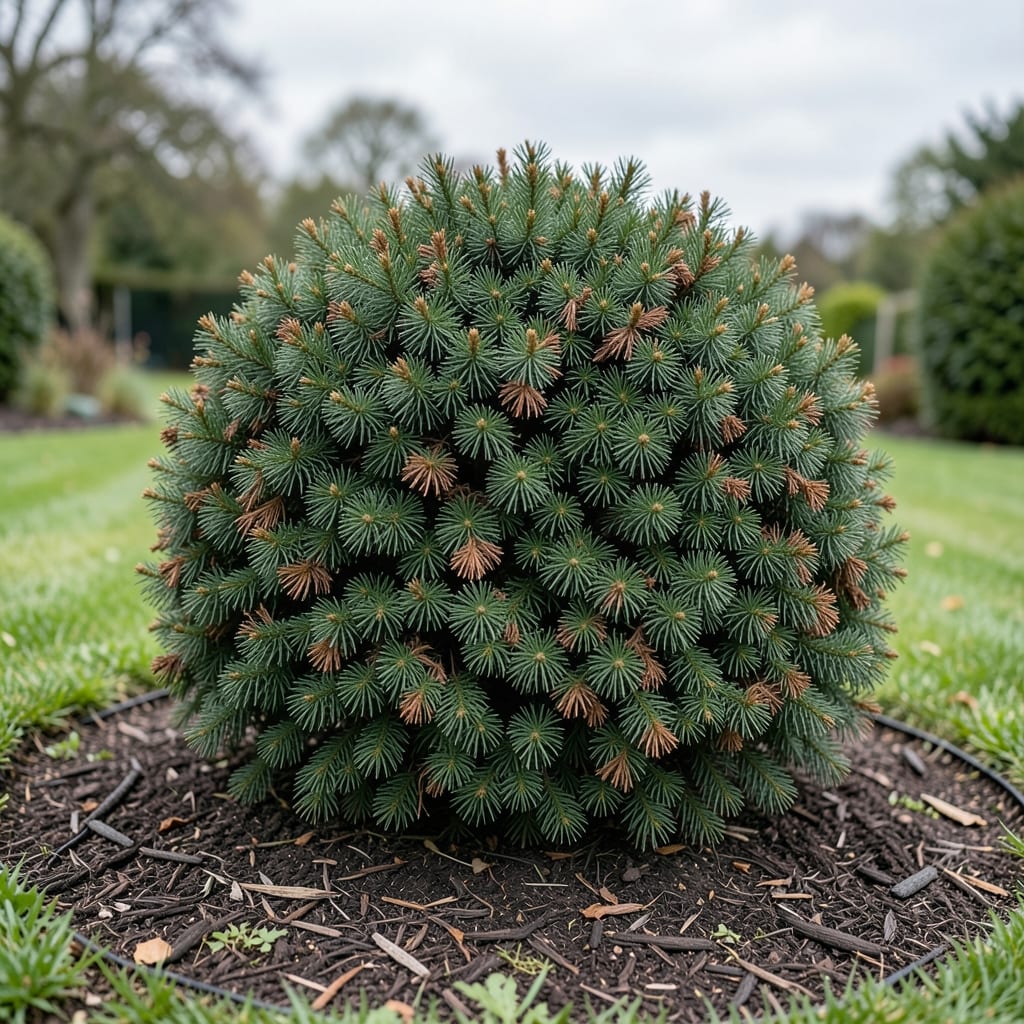
That sickly brown tint in your yew isn’t just unsightly—it’s a cry for help. I’ve seen this happen when plants get too much love (overwatering) or not enough (drought stress), and both lead to the same sad result: crispy, discolored needles.
The culprits range from root rot to spider mites, but the fix starts with the soil. Check drainage first—yews hate wet feet. Then look for webbing or tiny pests hiding under the branches.
With the right approach, you can stop the spread and coax new green growth within weeks. The key is acting fast before the damage becomes permanent.
Works for shrubs in the ground or containers. Here’s how to diagnose and treat it.
Yews turning brown often signal underlying stress or disease. Below are the most common causes, explained with actionable insights.
Extreme temperatures, drought, or poor drainage can stress yews, leading to browning foliage. Yews prefer well-draining soil and consistent moisture. In hot climates, Taxus species may suffer from heat scorch, where needles desiccate and turn brown. Conversely, waterlogged roots from poor drainage can suffocate the plant, causing similar symptoms.
Fungi like Phytophthora root rot or Botrytis thrive in wet conditions and attack yews, leading to browning. Phytophthora targets the roots, while Botrytis causes dieback in branches. Look for blackened stems or mushy roots as telltale signs. Improve airflow and avoid overhead watering to reduce fungal risks.
Pests such as yew gall midges or spider mites can cause browning by feeding on foliage or injecting toxins. Spider mites thrive in dry, dusty conditions, while gall midges create visible galls on new growth. Regularly inspect the undersides of leaves and use horticultural oil or insecticidal soap for control.
Overuse of herbicides or improper fertilizer application can lead to chemical burn. Yews are sensitive to 2,4-D (a common herbicide), which can cause rapid browning. Always follow label instructions and avoid drift from nearby lawn treatments.
If your yew is turning brown, don’t panic—most causes are fixable with the right care. Below are targeted solutions for common issues, along with prevention tips to keep your shrub vibrant.
Yews need consistent moisture, especially in hot or dry spells. Fix: Water deeply at the base (1–2 inches per week), focusing on the root zone. Use a soaker hose for slow, even absorption. Mulch around the base to retain moisture.
Prevention: Check soil weekly—if the top 2 inches are dry, it’s time to water. Avoid overhead watering to prevent fungal issues.
Yellowing or browning foliage with soggy soil signals root rot. Fix: Stop watering immediately and improve drainage. If the plant is potted, repot it in fresh, well-draining soil. For in-ground yews, amend heavy clay with compost.
Prevention: Ensure planting sites have good drainage, and avoid waterlogging. Use a moisture meter to guide watering.
Inspect leaves for webbing (mites) or sticky residue (scale). Fix: Blast pests off with water or apply insecticidal soap. For severe cases, use neem oil or horticultural oil, following label instructions.
Prevention: Keep plants healthy with proper watering and fertilization. Prune to improve airflow, which deters pests.
Brown or blackened needles often mean fungus. Fix: Prune affected branches (sterilize tools between cuts!) and dispose of debris. Apply a copper-based fungicide in early spring or fall.
Prevention: Space plants for airflow, avoid overhead watering, and clean up fallen needles promptly.
Browning on exposed sides after cold winds or intense sun? Fix: Prune dead foliage in spring. For future protection, wrap vulnerable yews in burlap or apply an anti-desiccant spray in late fall.
Prevention: Plant yews in partially shaded spots if your climate has harsh winters or scorching summers.
💡 Pro Tip: Always test soil pH (yews prefer 6.0–7.5). Amend with lime if too acidic or sulfur if too alkaline to support overall health.
Water deeply 1-2 times per week, providing 1-2 inches of water each time. Check soil moisture first—if the top 2 inches are dry, it’s time to water.
Yes, if caught early! Prune dead branches and address the root cause (watering, pests, etc.). New green growth should appear within 4-6 weeks with proper care.
Improve airflow by spacing plants properly. Avoid overhead watering and remove fallen debris promptly. A copper fungicide in spring helps prevent outbreaks.
Cold winds and sun exposure cause winter burn. Protect plants with burlap wraps or anti-desiccant sprays in late fall. Prune damaged foliage in spring.