
Beautiful Plants For Your Interior
Beautiful Plants For Your Interior
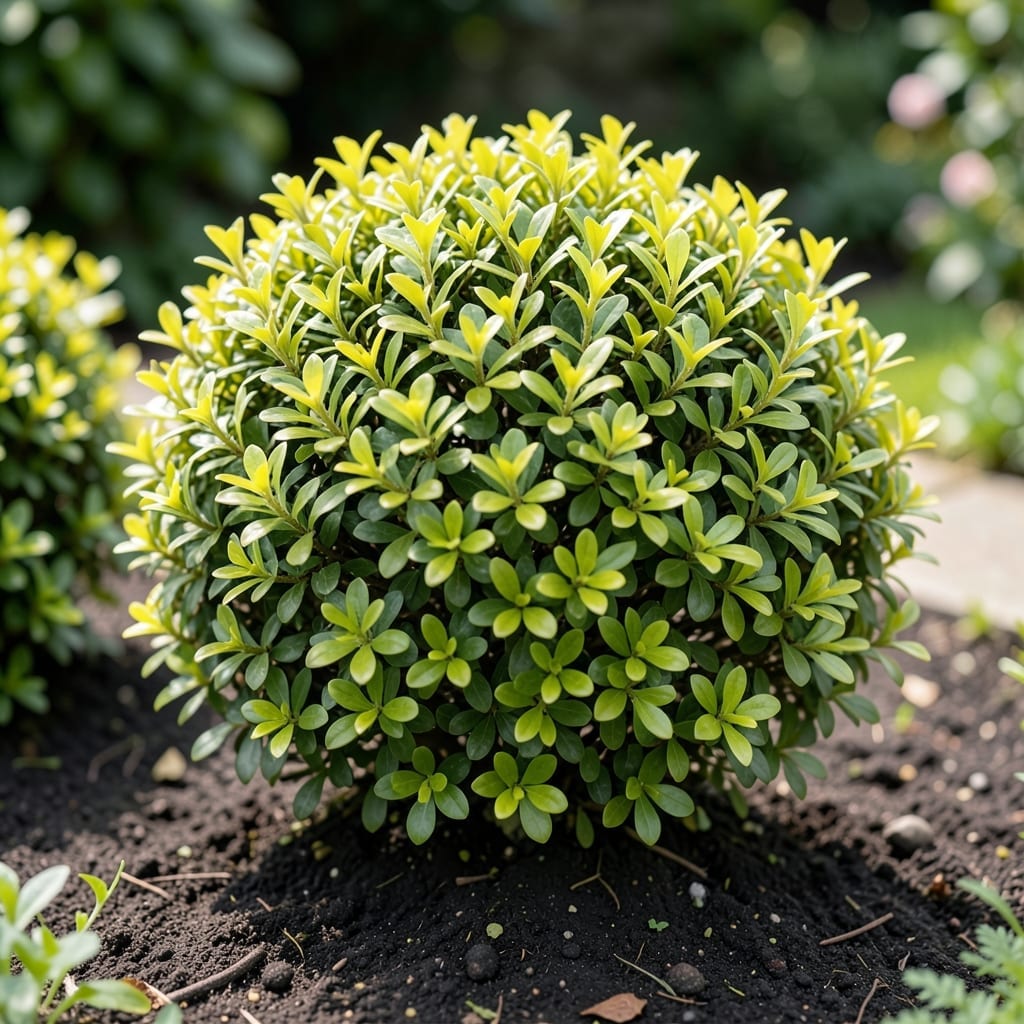
That sickly yellow-green tint on your bush means one thing: your plant is starving for help. I’ve nursed more chlorotic shrubs back to health than I can count, and the fix is always simpler than you’d expect.
The usual suspects are iron deficiency, poor drainage, or compacted roots. A quick soil test reveals exactly what’s missing, and most remedies involve little more than a simple amendment or adjusted watering schedule.
Within 2-3 weeks of targeted care, you’ll see fresh growth returning to that deep, healthy green. The transformation feels like watching a plant wake up from a long nap.
Works for azaleas, hydrangeas, and most ornamental shrubs. Here’s how to diagnose and treat it properly.
A yellowish green bush often signals an underlying issue affecting its health. Below are the most common causes, explained with actionable insights.
Chlorosis, the yellowing of leaves, frequently stems from nitrogen, iron, or magnesium shortages. Nitrogen deficiency causes uniform yellowing, while iron deficiency leads to yellow leaves with green veins (interveinal chlorosis). Test your soil—low pH can lock out iron, making it unavailable to roots.
Excess water suffocates roots, reducing their ability to absorb nutrients. Soggy soil also promotes fungal growth, which can further stress the plant. Ensure your bush is in well-draining soil and adjust watering habits to let the top inch dry between sessions.
Sap-sucking pests like aphids, spider mites, or scale insects drain nutrients from leaves, causing discoloration. Inspect the undersides of leaves for tiny invaders. A strong blast of water or insecticidal soap can often resolve early infestations.
Extreme heat, cold drafts, or sudden light changes can shock the plant, leading to yellowing. If your bush is in direct, harsh sunlight, consider providing afternoon shade. Similarly, protect it from cold snaps if it’s a tropical variety.
Addressing these causes early can restore your bush’s vibrant green hue!
If your bush is turning yellowish-green, don’t panic—there are straightforward fixes. Below are the most common causes and their solutions, along with prevention tips to keep your plants thriving.
Fix: Treat the soil with chelated iron or iron sulfate, following package instructions. For a natural approach, work compost or well-rotted manure into the soil to improve iron availability. Water deeply after applying.
Prevention: Test your soil’s pH annually. Iron is best absorbed in slightly acidic soil (pH 6.0–6.5). Add sulfur or peat moss if your soil is too alkaline.
Fix: Let the soil dry out between waterings. If the bush is in a waterlogged area, improve drainage by amending the soil with sand or perlite. For potted plants, ensure the container has drainage holes.
Prevention: Water only when the top 1–2 inches of soil are dry. Use a moisture meter to avoid guesswork.
Fix: Apply a balanced, slow-release fertilizer (e.g., 10-10-10) to replenish missing nutrients like nitrogen, magnesium, or zinc. For organic gardens, use fish emulsion or seaweed extract.
Prevention: Feed your bush every 4–6 weeks during the growing season. Rotate fertilizers to avoid depleting specific nutrients.
Fix: Inspect the leaves and stems for pests like aphids or spider mites. Spray with neem oil or insecticidal soap, focusing on the undersides of leaves. Remove heavily infested foliage.
Prevention: Encourage beneficial insects (e.g., ladybugs) by planting companion flowers like marigolds. Keep the garden clean to deter pests.
💡 Pro Tip: Yellowing can also signal natural aging. If only older leaves are affected and new growth looks healthy, no action is needed—just trim the discolored foliage.
Most bushes show fresh green growth within 2-3 weeks of targeted care. Iron supplements often work fastest, while soil amendments may take slightly longer to fully absorb.
Yes, overwatering suffocates roots, preventing nutrient uptake. Let the top 1-2 inches of soil dry between waterings and ensure proper drainage to avoid this issue.
Use an at-home soil test kit from any garden center. These cost under $15 and give instant readings. For most bushes, aim for a slightly acidic pH between 6.0-6.5.
Work compost or well-rotted manure into the soil. For a quick fix, mix 1 tablespoon of iron sulfate with 1 gallon of water and apply to the soil.