
Beautiful Plants For Your Interior
Beautiful Plants For Your Interior
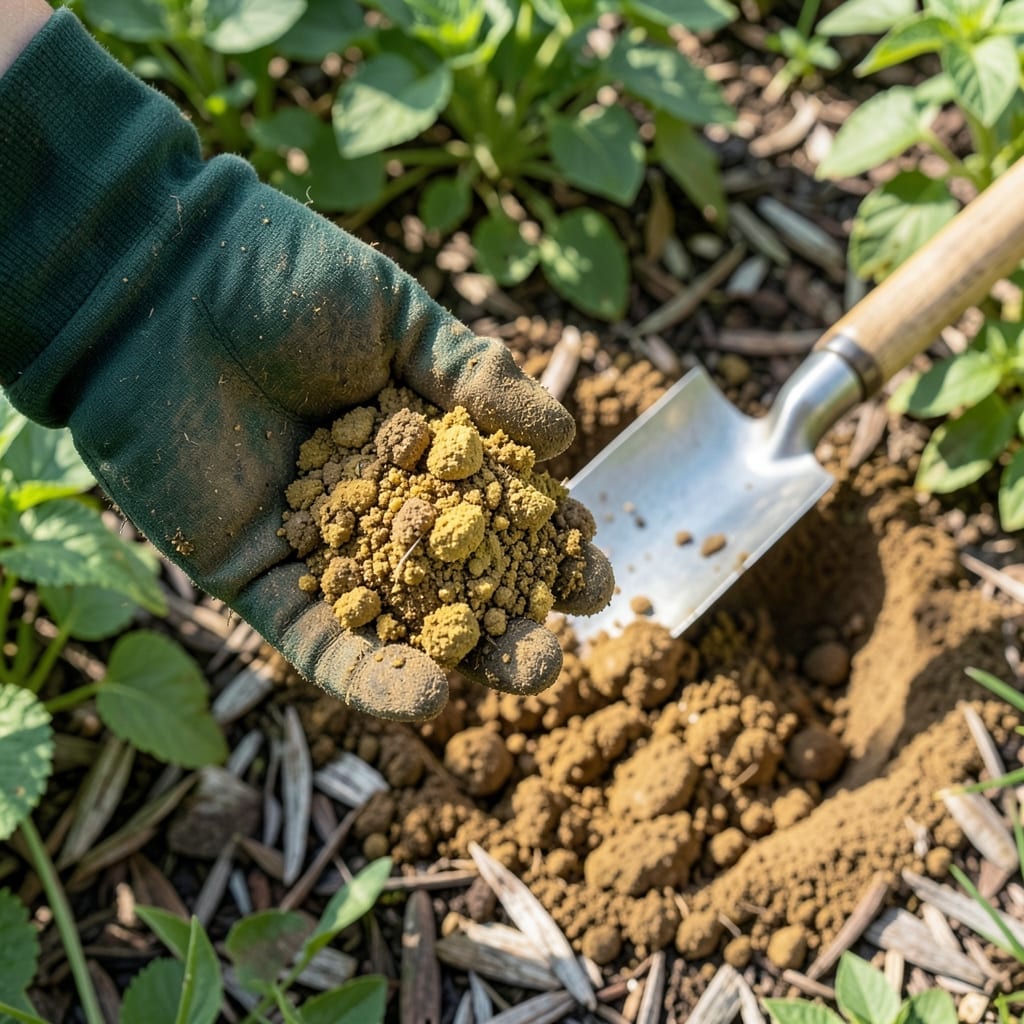
That yellowish-brown tint in your soil isn’t just ugly—it’s a red flag. I ignored mine for a season and paid the price with stunted plants and poor yields. This color usually signals trouble below the surface, from drainage issues to nutrient deficiencies.
Most often, it’s compacted soil suffocating roots or organic matter breaking down too fast. Sometimes it’s excess sand or clay throwing off the balance. Either way, your plants aren’t getting what they need to thrive.
Here’s the good news: fixing it is simpler than you’d think. A soil test, some organic amendments, and better watering habits can turn things around in a single growing season. The change in plant health will surprise you.
Works for vegetable beds, flower gardens, or container plants. Let’s get your soil back to its rich, dark best.
Yellowish-brown soil often signals underlying issues affecting its health and fertility. Below are the primary causes, explained with actionable insights.
When soil is waterlogged or poorly drained, iron and manganese compounds undergo oxidation. This chemical process produces rust-colored (iron) or brownish (manganese) pigments, giving the soil its yellowish-brown hue. Aerating the soil and improving drainage can reduce this effect.
As plant material and organic matter break down, they release tannins and humic acids, which can stain the soil. This is common in forests or gardens with high organic input. Adding compost or balancing decomposition with fresh organic material helps maintain a darker, healthier color.
Prolonged saturation restricts oxygen flow, leading to anaerobic conditions. This triggers the formation of iron oxides and other compounds that discolor the soil. Installing drainage systems or using raised beds can prevent waterlogging.
A deficiency in essential nutrients like nitrogen or phosphorus can slow plant growth, leaving soil exposed and prone to discoloration. Conducting a soil test and amending with fertilizers can restore balance and improve soil color over time.
Addressing yellowish-brown soil starts with diagnosing the root cause. Below are targeted fixes for the most common problems, along with prevention tips to keep your soil healthy and vibrant.
If waterlogging is the culprit, focus on improving drainage. Add organic matter like compost or well-rotted manure to loosen compacted soil. For severe cases, consider installing French drains or raised beds. Prevention tip: Avoid overwatering and ensure your garden has proper sloping for natural runoff. 💡
Yellowish-brown hues often signal a lack of essential nutrients. Test your soil to identify deficiencies. Add nitrogen-rich amendments like blood meal or iron supplements if tests confirm low levels. For a balanced boost, mix in a slow-release fertilizer. Prevention tip: Rotate crops annually to avoid depleting specific nutrients. ✨
Soil that’s too acidic or alkaline can cause discoloration. Test the pH and adjust accordingly: add lime to raise pH or sulfur to lower it. Aim for a neutral range (6.0–7.0) for most plants. Prevention tip: Regularly monitor pH, especially after heavy rains or fertilizing. 🎯
Soil stripped of organic material often turns dull brown. Incorporate compost, leaf mold, or peat moss to restore fertility and color. Mulch with straw or wood chips to retain moisture and gradually enrich the soil. Prevention tip: Top-dress with compost every season to maintain organic content. 🌱
If pollutants are the issue, stop using synthetic chemicals immediately. For mild contamination, phytoremediation (planting hyperaccumulators like sunflowers or mustard) can help. In severe cases, consult a professional for soil replacement or specialized treatment. Prevention tip: Opt for organic gardening practices to avoid chemical buildup. 🛡️
Not always, but it often signals issues like poor drainage, nutrient deficiency, or compaction. A soil test can confirm if action is needed.
Yes! Most cases improve with organic amendments, better drainage, or pH adjustments. Start with a soil test and targeted fixes.
Mild issues may improve in 2-4 weeks with proper care. Severe problems could take a full growing season.
They might, but growth will likely be stunted. Address the underlying cause first for healthier, more productive plants.