
Beautiful Plants For Your Interior
Beautiful Plants For Your Interior
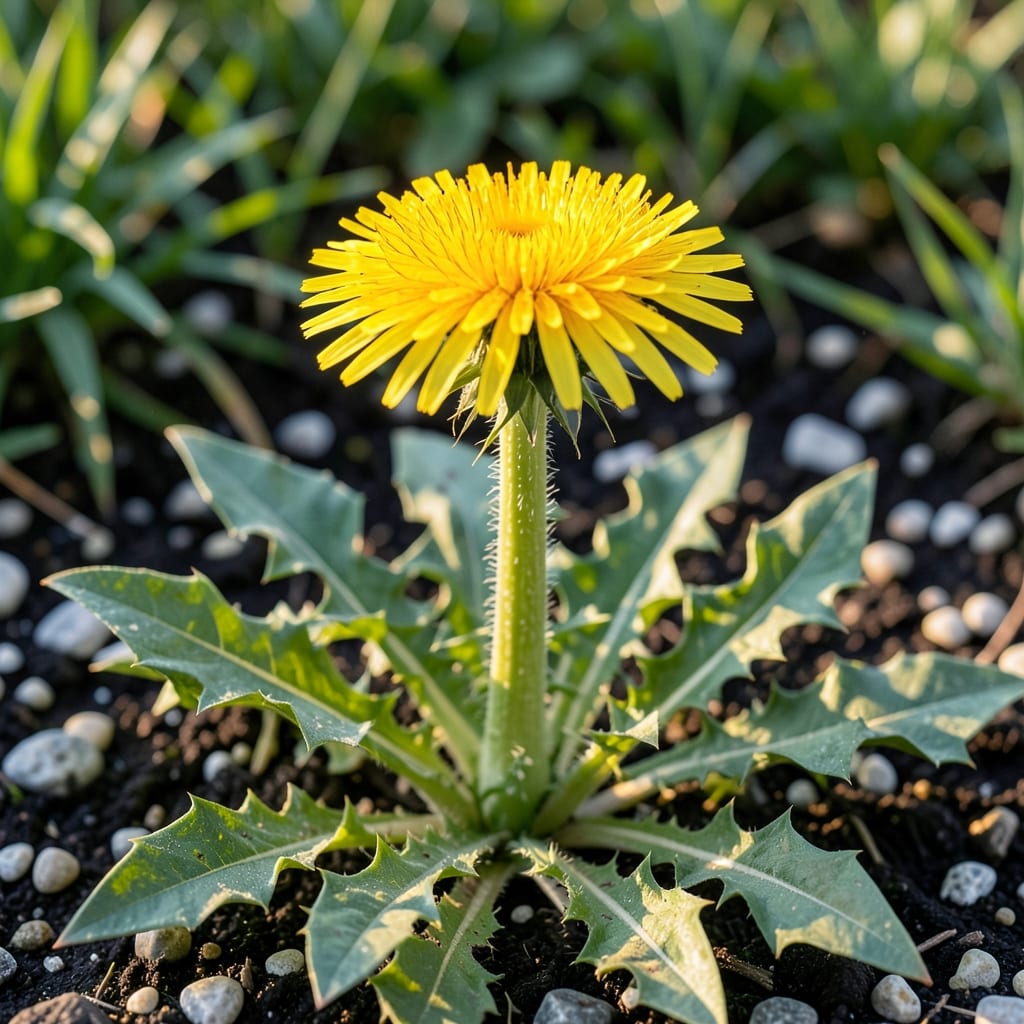
That patch of yellow popping up in your lawn isn’t just unsightly—it’s stealing nutrients from your grass. 🌱 I’ve spent years battling these invaders, and the key is catching them early before they spread like wildfire.
Most yellow weeds thrive in thin, compacted soil where grass struggles. The good news? They’re easy to spot with their bright blooms and distinct leaf shapes. I’ll help you identify the usual suspects and show you how to evict them for good.
With the right approach, you can reclaim your lawn in a weekend. No harsh chemicals needed—just consistent effort and a little know-how. Your grass will thank you with thicker, greener growth.
This works for any yard size, from postage-stamp plots to sprawling lawns. Let’s tackle this together.
Understanding why yellow weeds appear in your yard starts with recognizing the underlying conditions that favor their growth. These invasive plants thrive in specific environments, often signaling an imbalance in your lawn’s health. Below are the most common causes, explained scientifically and actionably.
Yellow weeds often emerge in soil that lacks essential nutrients like nitrogen, phosphorus, or potassium. Compacted or poorly draining soil can also create an ideal habitat for these weeds, as it restricts grass roots from accessing water and air. Test your soil’s pH and nutrient levels—most grasses thrive in slightly acidic to neutral soil (pH 6.0–7.0). Aerating compacted soil and adding organic matter can improve its structure and discourage weed growth.
Inconsistent watering practices can stress your lawn, leaving bare patches where yellow weeds take hold. Overwatering promotes shallow root systems in grass, making it weaker and more susceptible to invasion. Conversely, under-watering dries out the soil, allowing drought-tolerant weeds to dominate. Aim for 1–1.5 inches of water per week, including rainfall, and water deeply but infrequently to encourage strong grass roots.
Some yellow weeds, like dandelions or clover, thrive in full sun, while others, such as chickweed, prefer shady, moist areas. If your lawn has uneven sunlight exposure, certain weeds may proliferate in spots where grass struggles. Choose grass species suited to your yard’s light conditions, and consider overseeding thin areas to outcompete weeds naturally.
Mowing too short (scalping) weakens grass, allowing sunlight to reach weed seeds and sprout. Additionally, dull mower blades can tear grass, creating entry points for disease and weeds. Keep your mower blades sharp and follow the one-third rule: never remove more than one-third of the grass blade length in a single mowing. This keeps grass healthy and competitive against invaders.
Tackling yellow yard weeds starts with targeted solutions for their root causes. Here’s a practical, step-by-step guide to reclaim your lawn’s health.
Yellow weeds often thrive in compacted or nutrient-poor soil. Fix it: Aerate your lawn with a core aerator to improve oxygen and water flow. Follow up with a slow-release organic fertilizer (like compost or bone meal) to replenish nutrients. Test your soil’s pH—aim for 6.0–7.0—and amend with lime (to raise pH) or sulfur (to lower it) as needed.
Prevent it: Top-dress with compost annually to maintain soil health.
Too much or too little water stresses grass, letting weeds take over. Fix it: Water deeply (1–1.5 inches) once or twice weekly, ideally in the early morning. Use a rain gauge or tuna can to measure. For drought-stressed areas, switch to drought-tolerant grass varieties like Bermuda or Zoysia.
Prevent it: Install a smart irrigation system or soaker hoses to deliver consistent moisture.
Weeds like clover or dandelions invade thin, sun-starved lawns. Fix it: For shady spots, plant shade-tolerant grasses (e.g., fine fescue) or replace grass with ground covers like creeping thyme. In sunny areas, ensure grass isn’t mowed too short—keep it at 3–4 inches to shade out weed seeds.
Prevent it: Oversseed bare patches in fall with a grass mix suited to your light conditions.
Grubs, chinch bugs, or fungal diseases weaken grass, inviting weeds. Fix it: Treat pests with neem oil or beneficial nematodes (for grubs). For fungal issues, apply a fungicide and improve airflow by reducing thatch. Reseed damaged areas with disease-resistant grass varieties.
Prevent it: Keep your lawn debris-free and avoid over-fertilizing, which attracts pests.
Consistency is key—combine these fixes with regular mowing, edging, and hand-pulling weeds to keep your yard vibrant and weed-free!
Look for bright yellow blooms and distinct leaf shapes. Common types include dandelions with jagged leaves and creeping buttercups with glossy foliage. Most thrive in thin, compacted soil where grass struggles.
Hand-pulling works best for small patches, especially after rain when soil is soft. For larger areas, use a weed puller tool or spot-treat with vinegar solution. Always remove the entire root to prevent regrowth.
They return if underlying issues like poor soil or inconsistent watering aren’t fixed. Yellow weeds thrive where grass is weak. Address soil health and lawn care habits to prevent recurrence.
No! Some yellow plants like black-eyed Susans are desirable. True weeds are aggressive, unwanted plants that compete with grass. Learn to distinguish between beneficial plants and invasive ones.