
Beautiful Plants For Your Interior
Beautiful Plants For Your Interior
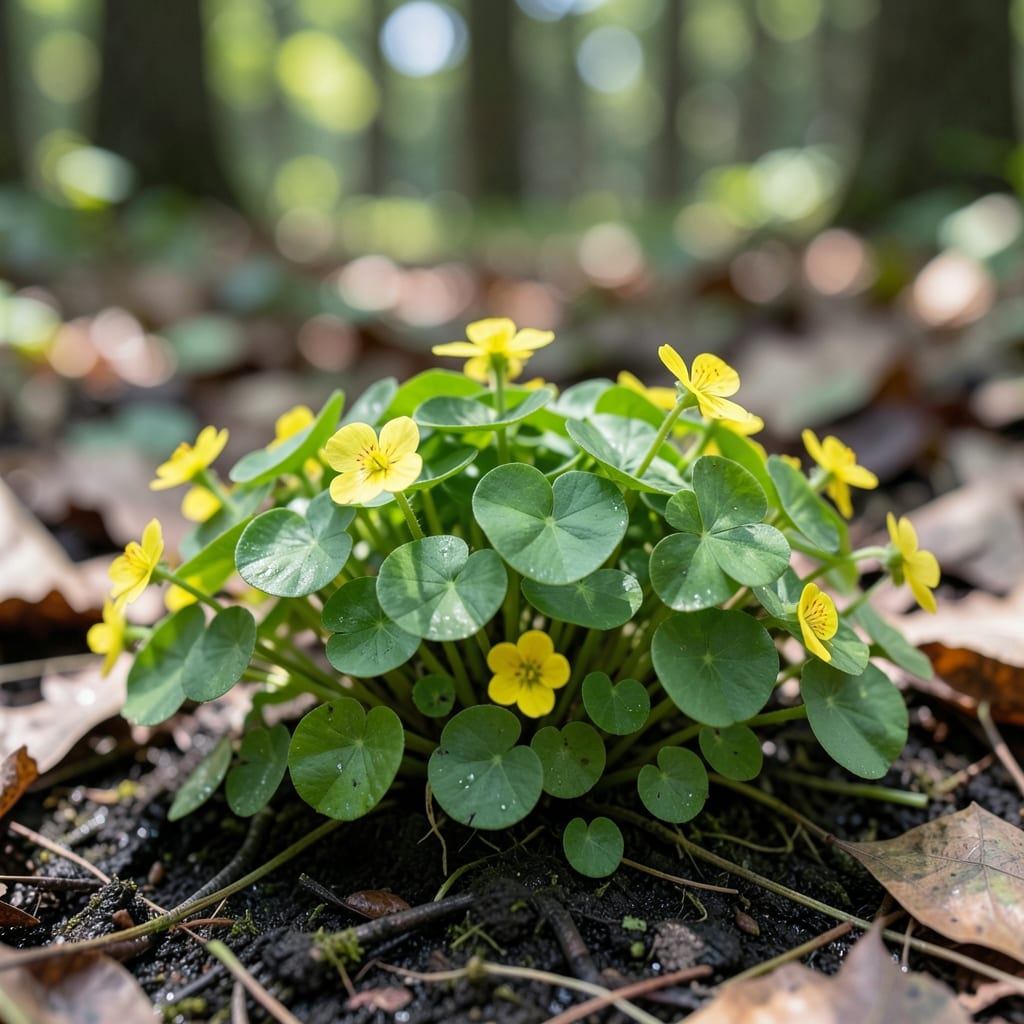
Yellow wood sorrel is rich in vitamin C, antioxidants, and minerals like magnesium and potassium, offering immune support, digestive aid, and anti-inflammatory properties.
I love how this wild edible packs a nutritional punch with its high vitamin C content, which helps boost immunity and skin health. Its natural compounds also support digestion by stimulating bile production, making it a great addition to salads or teas. 🌟
What’s more, the plant’s anti-inflammatory effects can help soothe minor irritations, and its mineral content contributes to overall wellness.
💡 In This Article
This tangy green packs 4-6 times more vitamin C than oranges by weight, with approximately 160mg per 100g. That’s nearly double the daily recommended intake in just a handful of leaves. The vitamin C works as a powerful antioxidant, neutralizing free radicals that can damage cells and accelerate aging. 🔥
Beyond vitamin C, yellow wood sorrel contains notable amounts of magnesium (25mg per 100g) and potassium (300mg per 100g). These minerals play crucial roles in muscle function, nerve signaling, and maintaining healthy blood pressure. The plant also provides calcium, iron, and phosphorus in smaller but meaningful quantities.
The real magic happens with its unique compounds. Yellow wood sorrel is rich in oxalic acid (which gives it that lemony flavor) and flavonoids like quercetin. These compounds contribute to its anti-inflammatory effects by inhibiting enzymes that trigger inflammation in the body. ✨
Its fiber content (2g per 100g) supports digestive health by promoting regular bowel movements and feeding beneficial gut bacteria. The leaves also contain small amounts of vitamin A and B vitamins, which support vision, skin health, and energy metabolism.
What makes this plant particularly special is how these nutrients work together. The vitamin C enhances iron absorption from the plant itself and other foods eaten with it, while the antioxidants protect the other nutrients from oxidation, ensuring you get maximum benefit from each bite. 💫
Yes, the leaves are safe to eat raw in small amounts. Start with 1-2 tablespoons to test tolerance, as some may experience mild stomach upset due to oxalic acid content. Always wash thoroughly before consuming.
It thrives in partial shade with well-drained soil. Plant seeds in spring or fall, keep soil moist, and it will self-seed easily. This makes it a low-maintenance addition to any garden.
Its high fiber content (2g per 100g) promotes healthy gut bacteria while oxalic acid stimulates bile production. This combination aids in breaking down fats and relieving bloating.
Wrap unwashed leaves in a damp paper towel, place in a sealed container, and refrigerate. They’ll stay fresh for up to 5-7 days. Avoid washing until ready to use to prevent spoilage.
Those prone to kidney stones should limit intake due to oxalates. Also, avoid if pregnant or on blood thinners, as it may interact with medications. Always consult a doctor before regular use.