
Beautiful Plants For Your Interior
Beautiful Plants For Your Interior
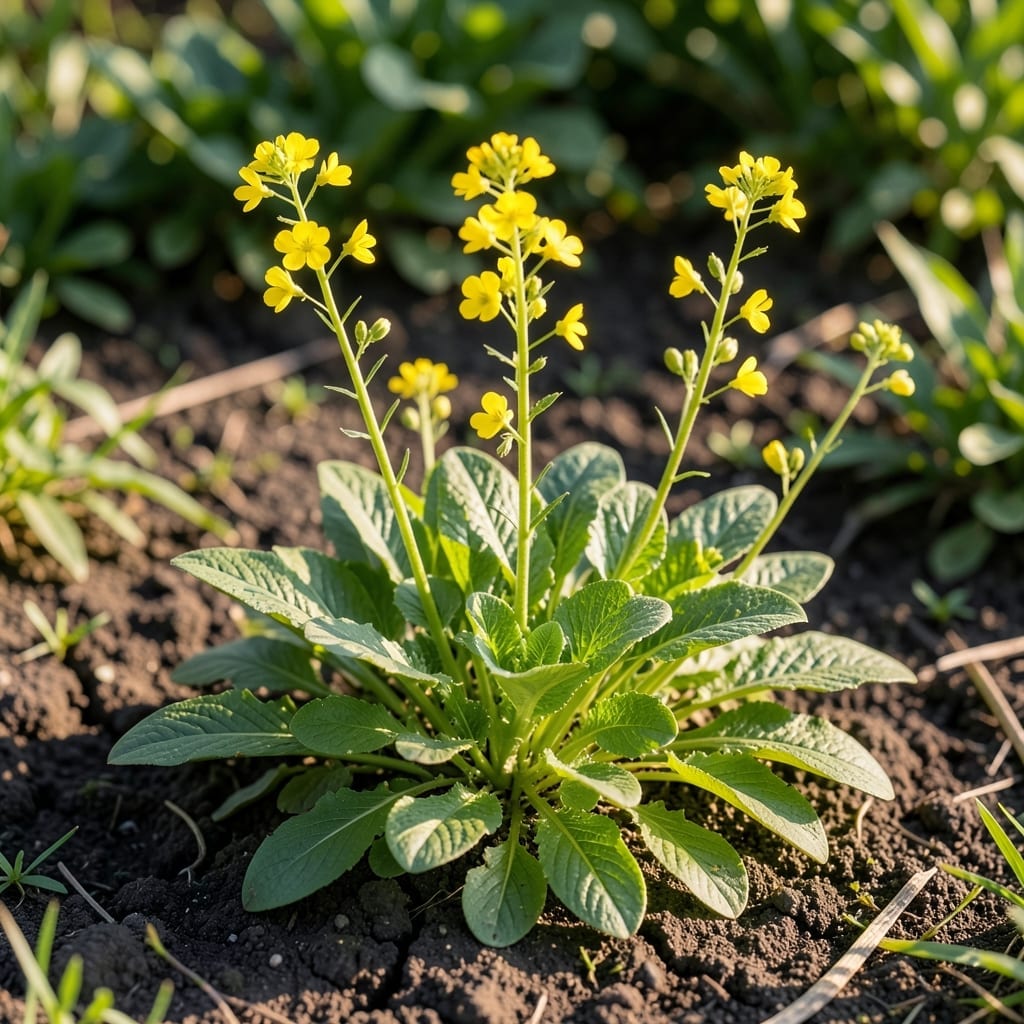
Yes, yellow sorrel is edible and offers a tangy, lemony flavor. All parts of the plant can be consumed raw or cooked, but moderation is key due to oxalic acid content.
I love using its leaves in salads for a zesty kick, similar to spinach but with a brighter taste. The stems can be lightly sautéed to soften their sharpness, and the flowers make a vibrant, edible garnish. Just remember that oxalic acid means you should limit intake, especially if you’re prone to kidney stones. 💫
💡 In This Article
Yellow sorrel stands out with its vibrant bright yellow flowers that bloom in clusters atop slender stems. The leaves are its most distinctive feature—arrowhead-shaped with a slight fold down the middle, growing in a basal rosette pattern close to the ground. This growth habit helps distinguish it from toxic look-alikes like dock species.
You’ll often find it thriving in disturbed soils, garden edges, or sunny meadows. The plant typically reaches 6-18 inches in height, with stems that may have a slight reddish tint. Unlike its relative wood sorrel, yellow sorrel lacks the heart-shaped leaflets and has a more upright growth pattern. ✨
The texture of the leaves is another clue— they’re smooth and slightly succulent, with a waxy coating that helps the plant retain moisture. When crushed, the leaves release a distinct lemony aroma, a dead giveaway for identification. This scent comes from oxalic acid, the same compound that gives the plant its signature tang.
For absolute certainty, observe the seed pods. Yellow sorrel produces small, ribbed capsule fruits that turn brown when mature. These pods explode when dry, dispersing seeds several feet away—a unique characteristic that confirms you’ve found the real deal. 🔥
Always cross-check multiple features before consuming any wild plant. The combination of yellow flowers, arrow-shaped leaves, lemony scent, and explosive seed pods makes yellow sorrel relatively easy to identify with confidence. When in doubt, consult a local field guide or expert forager.
Look for bright yellow flowers, arrow-shaped leaves, and a distinct lemony scent when crushed. Always cross-check with a field guide to avoid toxic look-alikes like dock. When in doubt, consult an expert forager.
All parts are edible! Use young leaves raw in salads, sauté stems for 2-3 minutes, and add flowers as a garnish. The leaves work well in teas or pesto too.
Yes! Blanching leaves in boiling water for 30 seconds helps lower oxalic acid levels. This makes the plant safer for regular consumption while keeping most of its tangy flavor.
Its lemony tang pairs beautifully with mild greens, olive oil, garlic, and creamy cheeses like feta. Try it in soups or sauces to brighten rich dishes.