
Beautiful Plants For Your Interior
Beautiful Plants For Your Interior
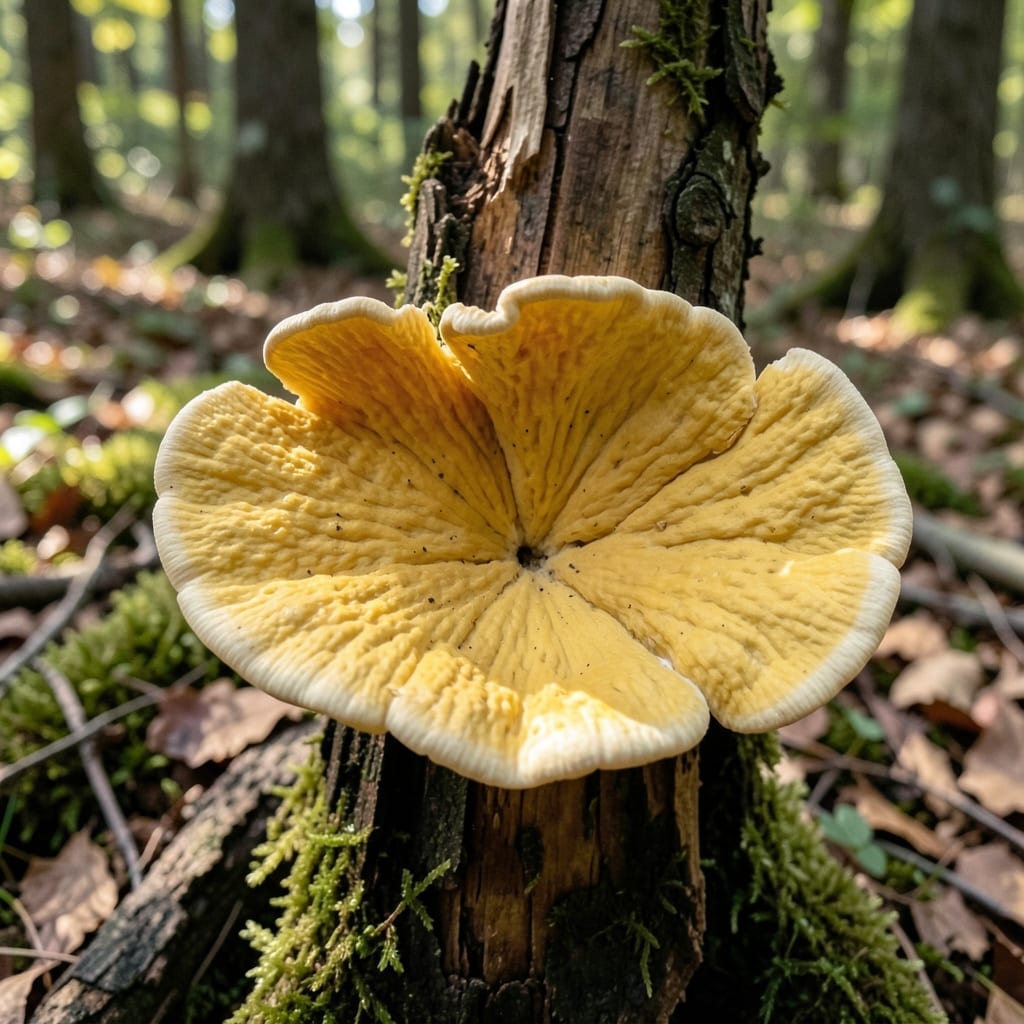
Spotted yellow growth on your trees or garden structures? That’s likely yellow wood fungus, a common but troublesome invader.
I first noticed it on my oak fence three seasons ago—bright yellow-orange shelves popping up overnight. It spreads fast, weakening wood and creating eyesores. The good news? It’s manageable with the right approach.
Left untreated, it can compromise structural integrity and spread to healthy plants. But with early identification and targeted action, you can stop it in its tracks.
Here’s how to spot it, understand why it’s there, and remove it for good.
The appearance of yellow wood fungus is rarely random—it’s usually a sign of underlying conditions that create the perfect breeding ground. Below are the primary causes, explained in clear, scientific terms.
Wood fungus thrives in damp environments. When wood retains moisture above 20%, it becomes susceptible to fungal spores. This often happens due to:
Actionable fix: Use a moisture meter to check wood levels and improve ventilation.
Unfinished, cracked, or splintered wood lacks protective barriers, making it easier for spores to penetrate. Softwoods like pine are especially vulnerable due to their lower natural resistance.
Actionable fix: Seal wood with fungicidal paint or pressure-treat it before use.
Decaying leaves, mulch, or wood chips near structures provide food for fungi. Spores spread from these materials to healthy wood, accelerating decay.
Actionable fix: Clear debris within 12 inches of wooden surfaces regularly.
Stagnant air traps moisture against wood, creating a microclimate ideal for fungal growth. This is common in basements, crawl spaces, or dense landscaping.
Actionable fix: Install vents or space plants away from wood to allow airflow.
Tackling this issue starts with identifying the root cause and applying targeted fixes. Below are practical solutions mapped to common triggers, along with prevention tips to keep your wood healthy long-term.
Fungus thrives in damp conditions. If your wood is constantly wet:
Stagnant air traps moisture, creating a breeding ground for spores.
If the fungus has already taken hold:
Shaded, damp wood is a prime target.
💡 Pro Tip: Always wear protective gear (gloves, mask) when handling infected wood to avoid inhaling spores or skin contact.
It primarily affects wood, not live plants. However, if it spreads to mulch or decomposing plant matter, it can indirectly impact plant health by creating a damp, decaying environment.
Under ideal conditions, spores can colonize new wood within 2-4 weeks. Regular inspections and prompt removal of infected material help prevent rapid spreading.
Bleach may kill surface spores but won’t penetrate deeply. For best results, use a wood-specific fungicide or a 1:10 vinegar-water solution for mild cases.
It can if the underlying moisture or ventilation issues aren’t addressed. Always combine treatment with preventive measures like sealing wood and improving airflow.