
Beautiful Plants For Your Interior
Beautiful Plants For Your Interior
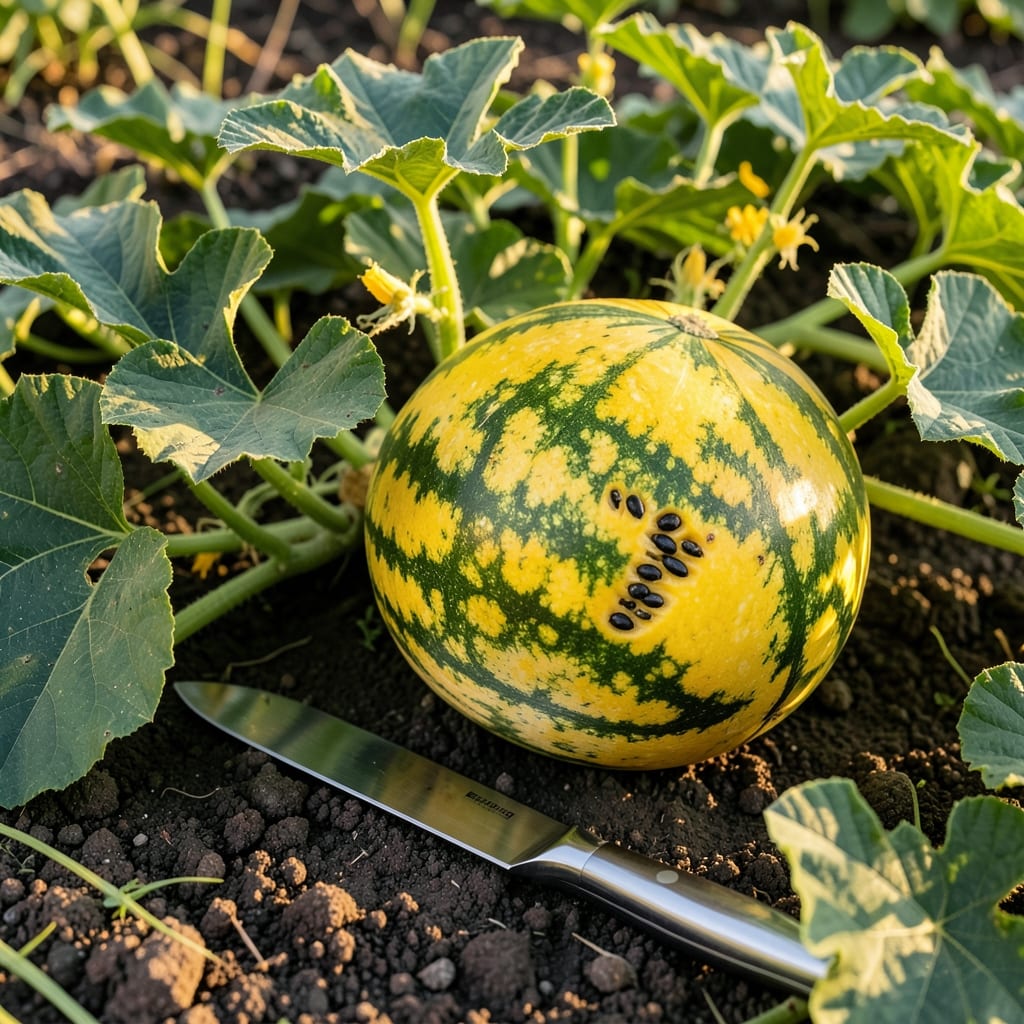
I first tasted a yellow watermelon at a farmers market and couldn’t believe the citrusy sweetness. These heirloom beauties are easier to grow than you’d think, with seeds that sprout reliably in warm soil.
The vines spread fast—give them 6-8 feet of space and full sun. They’re not picky about soil, but a little compost at planting time makes a noticeable difference in growth and flavor.
Water deeply at the base to avoid wetting the leaves, which can invite disease. You’ll start seeing flowers in about 60 days, and the fruit ripens quickly after that.
Harvest when the tendril near the stem turns brown. The flesh stays crisp and sweet even after picking, making these a garden favorite worth the wait.
The presence of yellow seeds in watermelons is a fascinating genetic phenomenon, often tied to specific heirloom varieties. Here’s why it happens:
Many yellow-fleshed watermelons, like the Yellow Crimson or Yellow Doll, naturally produce seeds with a yellowish hue due to their unique genetic makeup. These heirloom varieties retain recessive traits that influence both flesh and seed color, unlike commercial red watermelons where black seeds dominate.
Seed color can shift as the watermelon matures. In some cases, immature seeds may appear white or pale yellow, turning darker as they ripen. However, in certain heirlooms, the seeds remain yellow even at full maturity due to lower levels of melanin (the pigment responsible for dark seed coats).
If a yellow-fleshed watermelon is cross-pollinated with another variety, the resulting seeds might exhibit hybrid traits, including yellow coloring. This is rare in controlled heirloom cultivation but can occur in open-pollinated gardens. Growers can prevent this by isolating plants or hand-pollinating to maintain seed purity.
While less common, environmental stressors like extreme heat or nutrient deficiencies can sometimes alter seed pigmentation. Ensure consistent watering and balanced soil nutrients to minimize unintended color variations in seeds.
Dealing with issues in your yellow watermelon seeded crop? Here’s how to tackle common problems and keep your plants thriving.
If seeds aren’t sprouting, check your soil temperature and moisture. Yellow watermelons need warm soil (at least 70°F) to germinate. Use a seedling heat mat or plant in late spring when the soil is warm. Keep the soil consistently moist but not waterlogged.
Prevention: Test soil temperature before planting and use well-draining soil to avoid rot.
Yellow leaves often signal a lack of nitrogen or iron. Apply a balanced fertilizer (10-10-10) or an iron supplement if soil tests confirm a deficiency. Avoid over-fertilizing, as this can harm the plant.
Prevention: Conduct a soil test before planting and amend with compost or organic matter.
Aphids and cucumber beetles love watermelon plants. Spray with neem oil or introduce beneficial insects like ladybugs. For severe infestations, use insecticidal soap.
Prevention: Rotate crops yearly and remove plant debris to deter pests.
Too much water can lead to root rot. Water deeply 1-2 times per week, allowing the top inch of soil to dry between waterings. Use drip irrigation to keep foliage dry and prevent fungal diseases.
Prevention: Mulch around plants to retain moisture and reduce evaporation.
💡 Pro Tip: Monitor plants daily for early signs of trouble—catching issues early makes solutions easier!
Expect germination in 7-14 days with warm soil. From planting to harvest typically takes 80-90 days, depending on growing conditions.
Soil temperature below 70°F often prevents germination. Use a heat mat or wait for warmer weather. Also ensure soil stays moist but not soggy.
Yes, but only if the fruit came from heirloom stock. Let seeds dry fully, then store in a cool, dry place. Cross-pollinated seeds may not grow true.
Give each plant 6-8 feet of space. These vigorous vines spread quickly and need room to prevent disease and ensure proper fruit development.