
Beautiful Plants For Your Interior
Beautiful Plants For Your Interior
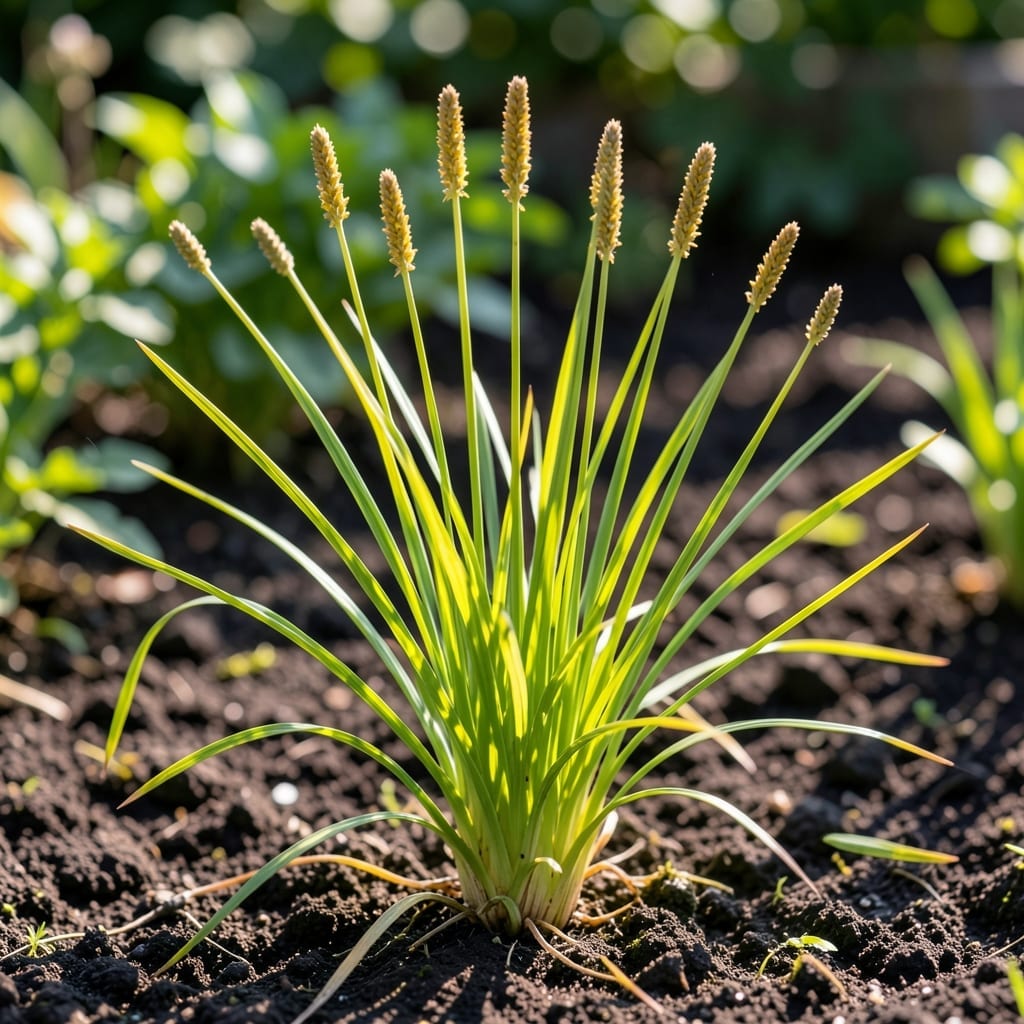
This aggressive invader can overtake your garden in weeks. I’ve watched it strangle my prized roses and choke out vegetable patches, and I’m sharing what finally stopped it cold.
The solution isn’t expensive chemicals—it’s a homemade spray that targets the roots while leaving your plants unharmed. Most people don’t realize how quickly this weed spreads underground, making early action critical.
You’ll see wilting within 24-48 hours of application, with complete die-off in under a week. The best part? It’s safe for kids, pets, and beneficial insects.
Works in flower beds, lawns, or vegetable gardens. Here’s the exact method that saved my garden.
The rapid spread of this invasive plant often stems from several key environmental and human-induced factors. Understanding these causes helps gardeners take targeted action.
Yellow vine weed thrives in disturbed soils, where its seeds find exposed, nutrient-rich ground to germinate. Construction, tilling, or even heavy foot traffic can disrupt the soil’s natural balance, creating ideal conditions for this aggressive species to take root.
Its lightweight seeds travel easily via wind or water runoff, allowing the plant to colonize new areas quickly. Flooding or heavy rains can carry seeds far from the original infestation, making containment challenging without proactive measures.
In bare or sparsely vegetated areas, yellow vine weed faces little competition for sunlight, water, and nutrients. Overgrazed pastures, fallow fields, or poorly maintained gardens become prime targets for rapid colonization.
This weed flourishes in warm, humid climates, where its growth accelerates. Regions with long growing seasons and mild winters provide the perfect environment for it to establish deep roots and outcompete native plants.
Tackling this invasive plant starts with the right approach. Below are practical fixes for common scenarios, paired with tips to keep it from coming back.
For new or isolated growth, smothering works wonders. Lay thick cardboard or landscape fabric over the area, then cover with 3–4 inches of mulch. This blocks sunlight, starving the weed. Prevention tip: 💡 Reapply mulch annually to maintain a light-blocking barrier.
If the infestation is limited, hand-pulling (with gloves!) can remove roots and all. Pull slowly to avoid breaking stems, and dispose of plants in sealed bags—not compost. Prevention tip: ✨ Check the area weekly to catch regrowth early.
Mix 1 gallon of white vinegar, 1 cup of salt, and 1 tbsp dish soap. Spray directly on leaves on a sunny day (avoid nearby plants). Reapply every 3–5 days until the weed wilts. Prevention tip: 🎯 Apply a pre-emergent herbicide in early spring to stop new seeds.
For large patches, frequent mowing or cutting weakens the weed over time. Aim to cut before it seeds (typically late summer). Prevention tip: 🌡️ Keep your lawn dense and healthy to outcompete invaders.
Consistency is key—combine methods for the best results!
It can cover 10+ feet in a single season under ideal conditions. The vines grow rapidly, and roots spread underground, making early intervention critical.
No, hand-pulling works best for small patches. For larger areas, use smothering or a vinegar spray to avoid missing hidden roots.
Spring or early summer, before it seeds. Treat on a sunny day for maximum effectiveness with homemade sprays.
Possibly, if roots remain. Monitor the area and reapply treatments every 3-5 days until fully eradicated.