
Beautiful Plants For Your Interior
Beautiful Plants For Your Interior
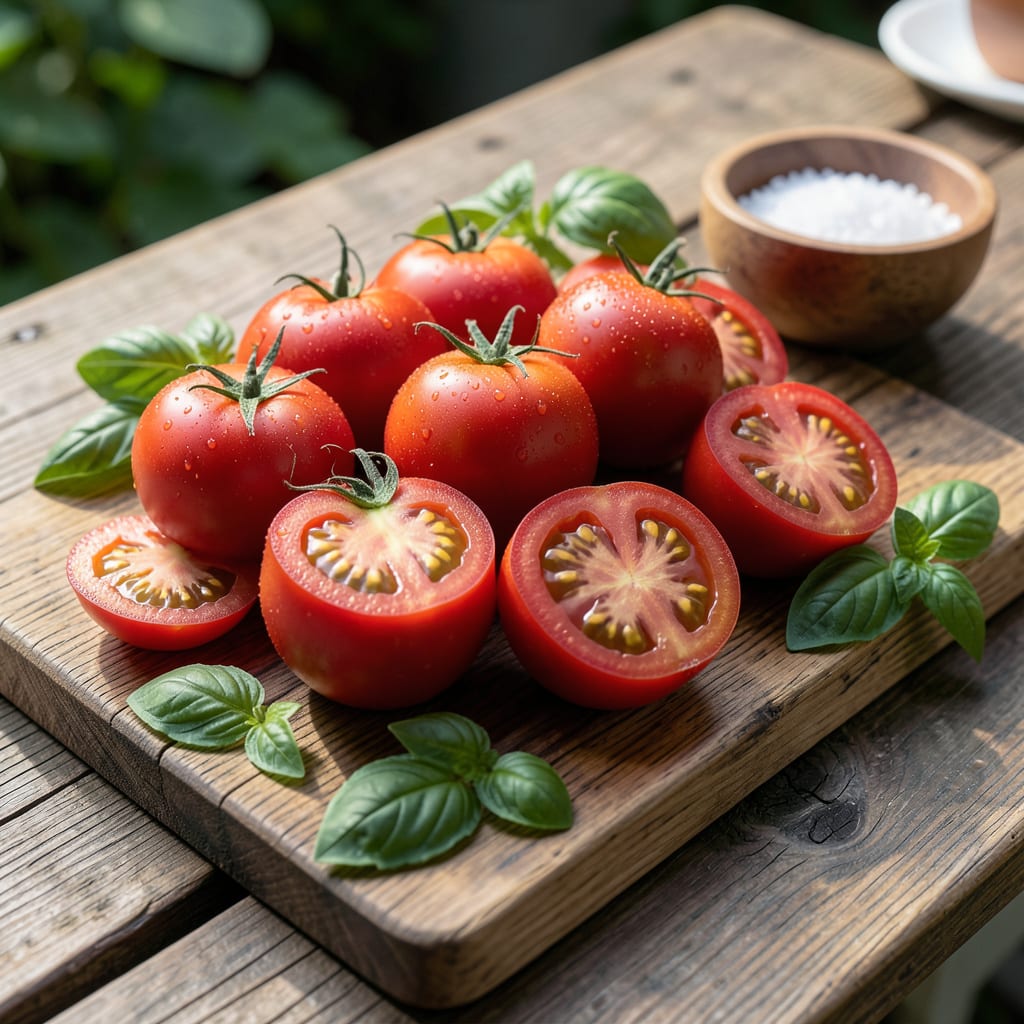
Those yellow spots on your tomatoes aren’t automatically a death sentence. I’ve seen everything from harmless sunscald to serious fungal infections, and the difference often comes down to a few simple observations.
Most yellow spotting is environmental—too much sun, uneven watering, or nutrient issues. These cases usually mean the fruit is still safe to eat if you cut around the affected areas. But some spots signal problems you can’t see.
Here’s the thing—if the flesh beneath the spot looks normal and smells fresh, you’re probably fine. When in doubt, toss it. Your health isn’t worth the risk, and next season’s harvest depends on catching problems early.
Prevention starts with consistent watering and good air circulation. A little attention now saves you a world of trouble later.
Yellow spots on tomatoes usually signal an underlying issue, whether environmental, nutritional, or pathological. Understanding the root cause helps you decide if the fruit is still safe to eat or needs to be discarded.
Excessive sunlight or high temperatures can cause sunscald, where the tomato’s skin becomes bleached or yellowed in patches. This happens when the fruit is exposed to direct sunlight for prolonged periods, especially during heatwaves. The affected areas may feel dry or leathery. While unsightly, sun-scalded tomatoes are generally safe to eat if you cut away the damaged portions.
Yellow spots can also result from nutrient imbalances, particularly deficiencies in magnesium, potassium, or nitrogen. For example, magnesium deficiency often presents as yellow patches between the veins of older leaves before affecting the fruit. A soil test can confirm the issue, and amending the soil with compost or a balanced fertilizer can restore plant health.
Pathogens like early blight (Alternaria solani) or bacterial spot (Xanthomonas spp.) can create yellow spots on leaves and fruit. These spots may later turn brown or develop a water-soaked appearance. Infected tomatoes are often unsafe to eat, as the pathogens can spread internally. Remove and destroy affected plants to prevent contamination.
Too much water or poorly drained soil can lead to root rot, which disrupts nutrient uptake and causes yellowing. The fruit may develop soft, discolored patches. To fix this, improve drainage and adjust your watering schedule to keep soil moist but not soggy.
Pests like stink bugs or whiteflies can pierce tomato skins, leaving small yellow or necrotic spots where they feed. While the damage is usually superficial, severe infestations can compromise fruit quality. Inspect plants regularly and use organic pest controls like neem oil if needed.
If your tomatoes are sporting unsightly yellow spots, don’t toss them just yet! Here’s how to address the most common causes and restore your harvest to its vibrant best.
Fix: Remove affected leaves or fruits immediately to prevent spread. Apply a copper-based fungicide or a homemade remedy like a baking soda spray (1 tbsp baking soda + 1 tsp dish soap + 1 gallon water). Spray weekly until the issue clears.
Prevention: 💡 Improve air circulation by pruning dense foliage. Water at the base (not overhead) to keep leaves dry. Rotate crops yearly to avoid soil-borne fungi.
Fix: Move potted plants to a shadier spot or use shade cloth (30-50% opacity) for garden tomatoes. Trim leaves blocking sunlight gradually to avoid shocking the plant.
Prevention: 🎯 Plant in areas with dappled sunlight, or use row covers during peak heat. Mulch around the base to retain soil moisture and lower surface temperature.
Fix: For blossom end rot (often yellowing first), add calcium-magnesium supplements (like crushed eggshells or Epsom salt) to the soil. Water deeply 2–3 times a week, ensuring consistency.
Prevention: ✨ Use drip irrigation for steady moisture. Test soil pH (aim for 6.0–6.8) and amend with compost for balanced nutrients.
Fix: Handpick pests like aphids or whiteflies (check leaf undersides!) and spray with neem oil or insecticidal soap. For severe infestations, introduce beneficial insects like ladybugs.
Prevention: 🌡️ Encourage biodiversity with companion plants (e.g., basil or marigolds). Inspect plants regularly for early signs of pests.
Pro tip: Harvest tomatoes with minor yellow spots—they’re often safe to eat if the flesh underneath is firm and healthy. For severe cases (soft, mushy, or moldy spots), compost them to avoid spreading disease.
Excessive direct sunlight causes sunscald, creating bleached or yellow patches. These areas may feel dry or leathery.
Yes, if the flesh beneath looks and smells normal. Cut away the affected area and enjoy the rest.
Improve air circulation by pruning and water at the base to keep leaves dry. Rotate crops yearly.
Discard if the spot is soft, mushy, or moldy, or if the fruit has an off smell.
