
Beautiful Plants For Your Interior
Beautiful Plants For Your Interior
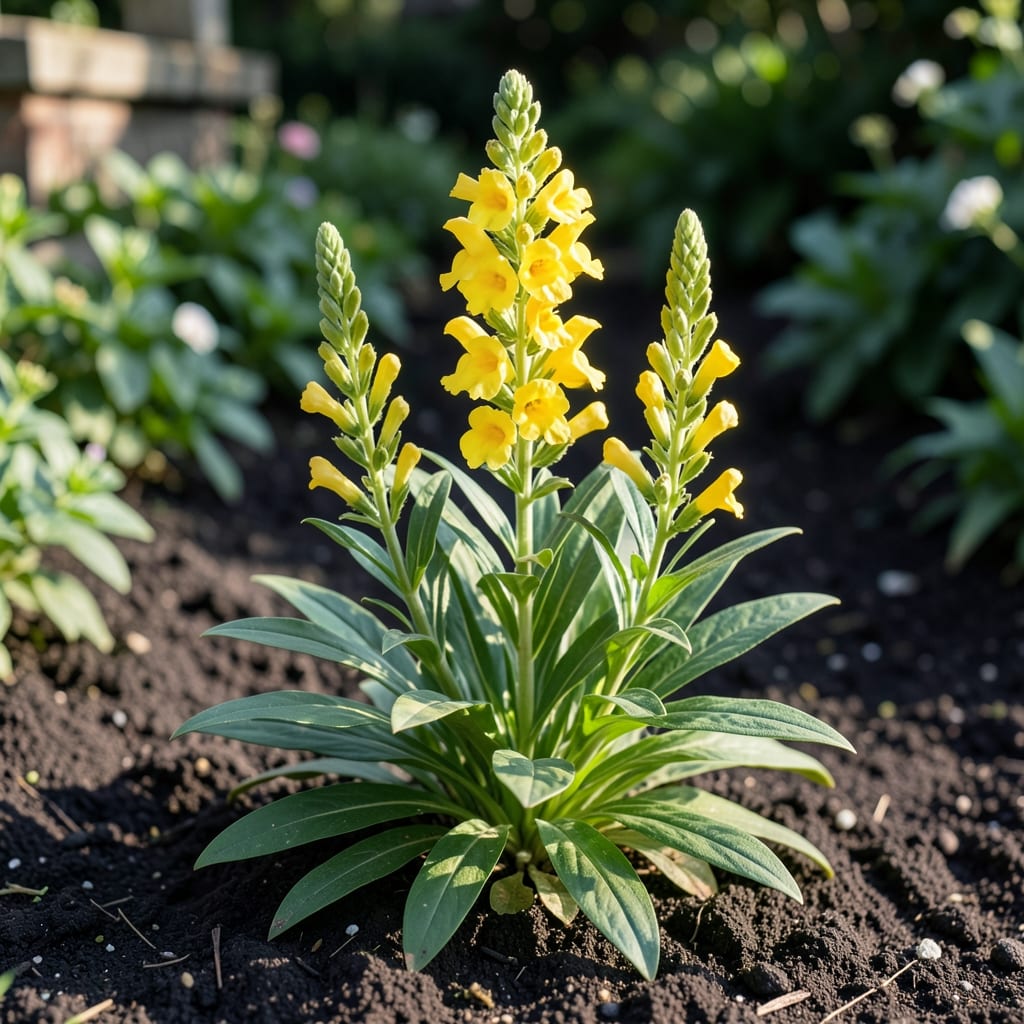
That first glimpse of bright yellow spikes in spring always stops me in my tracks. These flowers bring vertical drama to any garden with their tall, upright form and cheerful color.
I started growing them in my backyard three years ago, and they’ve become my go-to for borders and cut arrangements. They thrive in full sun with well-draining soil and minimal fuss.
Once established, they’re surprisingly low-maintenance, needing only occasional watering and deadheading to keep blooming. The best part? They attract pollinators all season long.
Perfect for adding height and structure without overwhelming smaller plants. Here’s how to get them started in your space.
The “yellow spike” symptom in plants—often seen in flowers or foliage—typically stems from environmental stress, nutrient imbalances, or pathogen activity. Below are the primary causes, explained scientifically for actionable solutions.
Extreme heat or cold disrupts chlorophyll production, leading to yellowing (chlorosis) in spikes or leaves. Photosynthesis slows as enzymes like Rubisco malfunction. Fix: Maintain temperatures between 65–75°F (18–24°C) and use shade cloths or row covers during temperature spikes.
Overwatering suffocates roots, reducing oxygen uptake and nutrient absorption (e.g., iron, magnesium). Underwatering, conversely, limits nutrient mobility. Both cause spike discoloration. Fix: Check soil moisture 2 inches deep—water only when dry. Ensure pots have drainage holes.
Lack of nitrogen (uniform yellowing), iron (interveinal chlorosis in new growth), or magnesium (yellowing between veins in older leaves) directly impacts spike health. Fix: Test soil pH (aim for 6.0–7.0) and amend with chelated iron or Epsom salts (for magnesium) as needed.
Fungal (e.g., Fusarium) or bacterial pathogens (e.g., Xanthomonas) block xylem/phloem, starving spikes of water and nutrients. Symptoms include yellow streaks or wilting. Fix: Remove infected parts, improve airflow, and apply copper-based fungicides preventatively.
When your yellow spike flowers show signs of distress, act fast to revive their vibrant beauty. Below are targeted solutions for common issues, paired with prevention tips to keep them thriving.
If leaves turn yellow, the roots may be waterlogged. Repot the plant in well-draining soil mixed with perlite or sand. Ensure the pot has drainage holes. Prevention: Water only when the top inch of soil feels dry, and avoid saucers that trap excess water.
Wilting often signals underwatering or heat stress. Water deeply at the base (not overhead) in the early morning. Mulch around the plant to retain moisture. Prevention: Use a moisture meter to monitor soil hydration, and provide afternoon shade in hot climates.
Lack of blooms? Switch to a phosphorus-rich fertilizer (e.g., 10-20-10) to encourage flowering. Apply every 4–6 weeks during growing season. Prevention: Deadhead spent blooms regularly to redirect energy to new growth.
Aphids or spider mites? Spray plants with a mix of water and insecticidal soap, or introduce ladybugs as natural predators. Prevention: Inspect leaves weekly and remove debris where pests hide.
Pro Tip: 💡 Rotate solutions if issues persist—sometimes a combo of fixes (e.g., better drainage + fertilizer) works best!
Brown spikes usually signal underwatering or excessive sun exposure. Check soil moisture and provide afternoon shade during heatwaves. 1-2 inches of mulch helps retain moisture.
Water deeply 1-2 times per week, allowing the top 1-2 inches of soil to dry between waterings. Adjust frequency based on rainfall and temperature.
Yes! Use a container at least 12 inches deep with drainage holes. Dwarf varieties work best. Ensure the pot receives 6-8 hours of sunlight daily.
Lack of blooms often means insufficient light or nutrients. Move to a sunnier spot and apply a phosphorus-rich fertilizer every 4-6 weeks.