
Beautiful Plants For Your Interior
Beautiful Plants For Your Interior
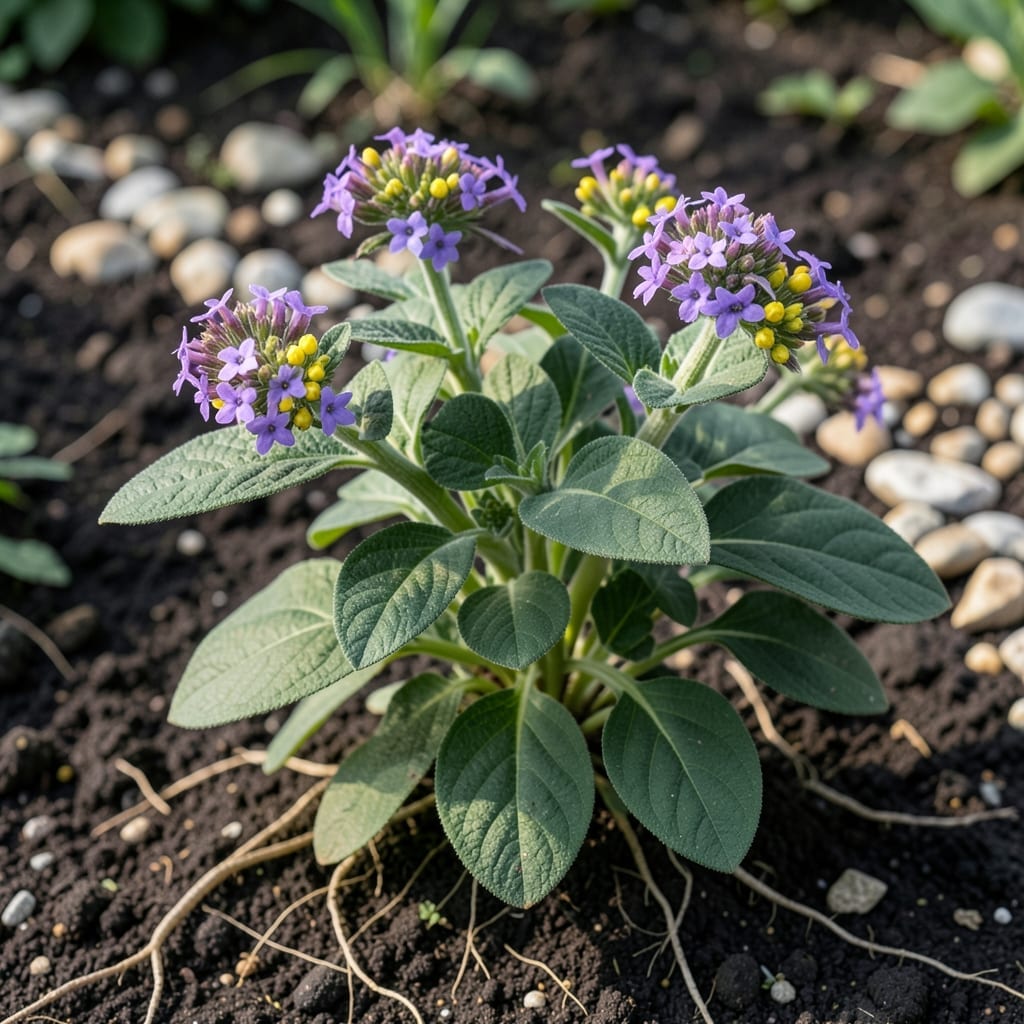
I spotted these bright yellow berries in my garden last summer and nearly made a dangerous mistake. Yellow nightshade berries look tempting, but they’re highly toxic to humans and pets alike.
The key to staying safe is learning to spot the differences from edible lookalikes. These plants have distinctive star-shaped flowers, oval leaves, and a bitter smell that sets them apart from safe varieties.
If you find them in your space, wear gloves when removing and dispose of them carefully. Never compost these plants, as the toxins can persist and potentially contaminate your soil.
This guide will help you identify and handle them with confidence, keeping your garden and family protected.
Understanding why yellow nightshade berries pose a risk involves examining their natural biology and ecological role. These plants produce toxic compounds as a defense mechanism, but other factors also contribute to their danger.
Yellow nightshade berries contain tropane alkaloids, such as atropine and scopolamine, which disrupt the nervous system. These compounds evolve as a chemical deterrent to prevent herbivores from consuming the plant, ensuring its survival in the wild.
Stress conditions, like drought or poor soil quality, can increase alkaloid concentration in the berries. Plants under stress often ramp up toxin production as an added layer of protection, making them even more hazardous.
Many toxic cases occur because yellow nightshade berries resemble edible fruits, such as tomatoes or ground cherries. Their bright color and berry-like appearance can mislead foragers, leading to accidental ingestion.
Soil rich in nitrogen or other nutrients can sometimes enhance toxin levels in nightshade plants. This relationship between soil health and alkaloid production means that berries grown in fertile conditions may be more dangerous.
If you’ve identified yellow nightshade berries in your garden, prompt and careful action is key. Follow these steps to address the issue while minimizing risk to yourself, pets, and beneficial plants.
Put on protective gloves and long sleeves to avoid skin contact with the plant’s toxins. Use a trowel or small shovel to dig up the entire plant, including the roots, to prevent regrowth. Place all removed material in a sealed plastic bag—never compost it, as the toxins can persist.
Dispose of the bagged plants in your municipal trash or a designated green waste bin (check local guidelines). If burning is allowed in your area, this can be an effective method, but ensure it’s done in a controlled environment away from flammable structures.
After removal, monitor the area for new sprouts. Nightshade plants can reseed aggressively, so mulch the soil with a thick layer of organic material to suppress new growth. For persistent patches, consider laying down landscape fabric before replanting.
With these steps, you’ll keep your garden safe and thriving—without the worry of accidental poisoning.
Look for star-shaped flowers, oval leaves, and a bitter smell. Edible berries like tomatoes have fuzzy stems and sweeter scents. When in doubt, avoid touching or tasting.
Contact your vet or an animal poison control center immediately. Symptoms may include vomiting, diarrhea, or lethargy. Time is critical, so don’t wait for signs to appear.
Only if local regulations allow it. Burning can work, but ensure it’s done in a controlled environment far from flammable materials. Always wear protective gear.