
Beautiful Plants For Your Interior
Beautiful Plants For Your Interior
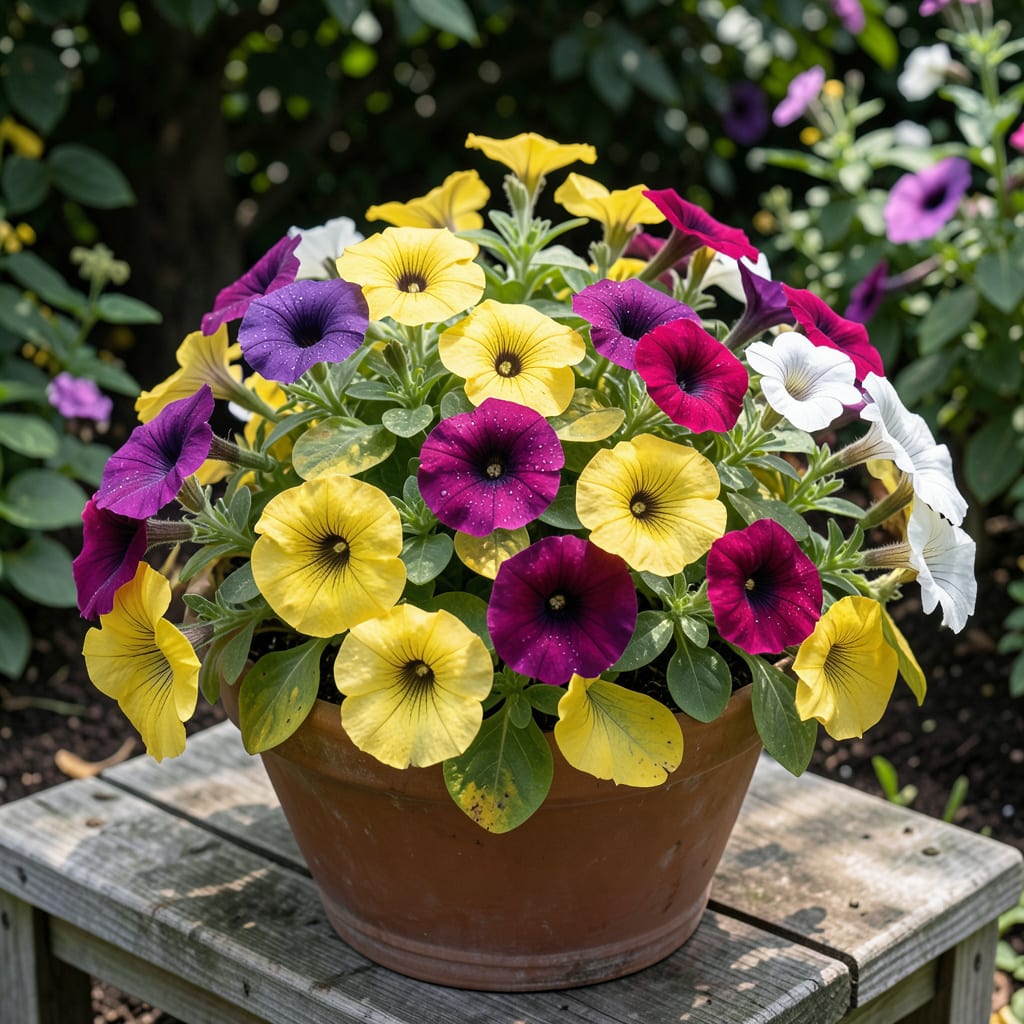
Yellow leaves on petunias always feel like a gut punch after all that care. I’ve lost count of how many times I’ve stared at my plants wondering what went wrong—but the fix is usually simpler than you think.
Most cases come down to 4 common culprits: too much water, not enough nutrients, sneaky pests, or a fungus setting in. The good news? Each has clear signs if you know where to look.
With a little detective work and the right adjustments, those leaves turn vibrant green again within 1-2 weeks. No harsh chemicals required.
Works for container petunias, hanging baskets, or garden beds. Here’s how to play plant doctor.
Petunias are vibrant and hardy, but when their leaves turn yellow, it’s often a sign of underlying stress. Below are the most common causes, each with a clear explanation to help you diagnose the issue.
Too much water suffocates the roots, preventing them from absorbing oxygen. This leads to root rot, a fungal condition that disrupts nutrient uptake. As a result, leaves turn yellow, often starting at the base of the plant. Petunias thrive in well-draining soil, so soggy conditions are a recipe for disaster.
Yellowing leaves can signal a lack of essential nutrients, particularly nitrogen, iron, or magnesium. Nitrogen deficiency typically causes uniform yellowing, while iron deficiency leads to interveinal chlorosis—yellowing between the veins. A soil test can pinpoint the exact deficiency, allowing for targeted fertilization.
Extreme temperatures, either too hot or too cold, can stress petunias, causing their leaves to yellow. Additionally, excessive sunlight without adequate water can lead to sunburn, while insufficient light weakens the plant, reducing its ability to photosynthesize effectively.
Pests like aphids, whiteflies, or spider mites sap the plant’s juices, weakening it and causing yellowing leaves. These pests often hide on the undersides of leaves, so inspect your petunias regularly. Early intervention with organic pest control can prevent widespread damage.
Diseases such as verticillium wilt, fusarium wilt, or bacterial leaf spot can cause yellowing, often accompanied by wilting or spotting. These pathogens thrive in wet, humid conditions, so proper air circulation and avoiding overhead watering can reduce the risk.
Reviving your petunias starts with pinpointing the issue and applying targeted fixes. Below are solutions for the most common causes of yellow leaves, along with prevention tips to keep your plants thriving.
Fix: Let the soil dry out slightly between waterings. If the pot lacks drainage holes, repot your petunia in a container with proper drainage. Trim any black, mushy roots to prevent rot.
Prevent: Use well-draining potting mix and water only when the top inch of soil feels dry. 💡 Pro tip: Elevate pots to avoid waterlogging.
Fix: Apply a balanced, water-soluble fertilizer (10-10-10 or 20-20-20) every 2–3 weeks during the growing season. For nitrogen deficiency (pale yellow leaves), use a high-nitrogen formula.
Prevent: Mix slow-release fertilizer into the soil at planting. 🎯 Pro tip: Yellowing between veins often signals iron deficiency—treat with chelated iron.
Fix: Spray leaves with neem oil or insecticidal soap to combat aphids, whiteflies, or spider mites. Remove heavily infested leaves by hand.
Prevent: Inspect plants weekly for pests, especially on the undersides of leaves. Encourage beneficial insects like ladybugs. ✨ Pro tip: Avoid over-fertilizing, which attracts pests.
Fix: Remove and destroy infected leaves to prevent spread. Treat with a copper-based fungicide or bactericide, following label instructions.
Prevent: Space plants for airflow, water at the base (not overhead), and avoid wetting foliage. 🌡️ Pro tip: Sterilize pruning tools between cuts.
Fix: Move potted petunias to a spot with 6–8 hours of sunlight daily. Shield them from extreme heat or cold (below 40°F). Mulch to retain moisture and regulate soil temperature.
Prevent: Harden off seedlings before transplanting. 🔥 Pro tip: Use shade cloth during heatwaves to prevent scorching.
Water when the top 1 inch of soil feels dry. Petunias prefer consistent moisture but hate soggy roots. In hot weather, this may mean watering daily, but always check the soil first.
Use a water-soluble 10-10-10 or 20-20-20 fertilizer every 2-3 weeks. For iron deficiency, apply chelated iron directly to the soil. Results appear within 1-2 weeks.
Severely yellowed leaves won’t recover, but fixing the underlying issue (nutrients, water, pests) helps new growth stay healthy. Trim damaged leaves to redirect energy to fresh foliage.
Yes. Hanging baskets dry out faster and may need daily watering. Ensure good drainage and fertilize more frequently since nutrients wash out quickly with frequent watering.
