
Beautiful Plants For Your Interior
Beautiful Plants For Your Interior
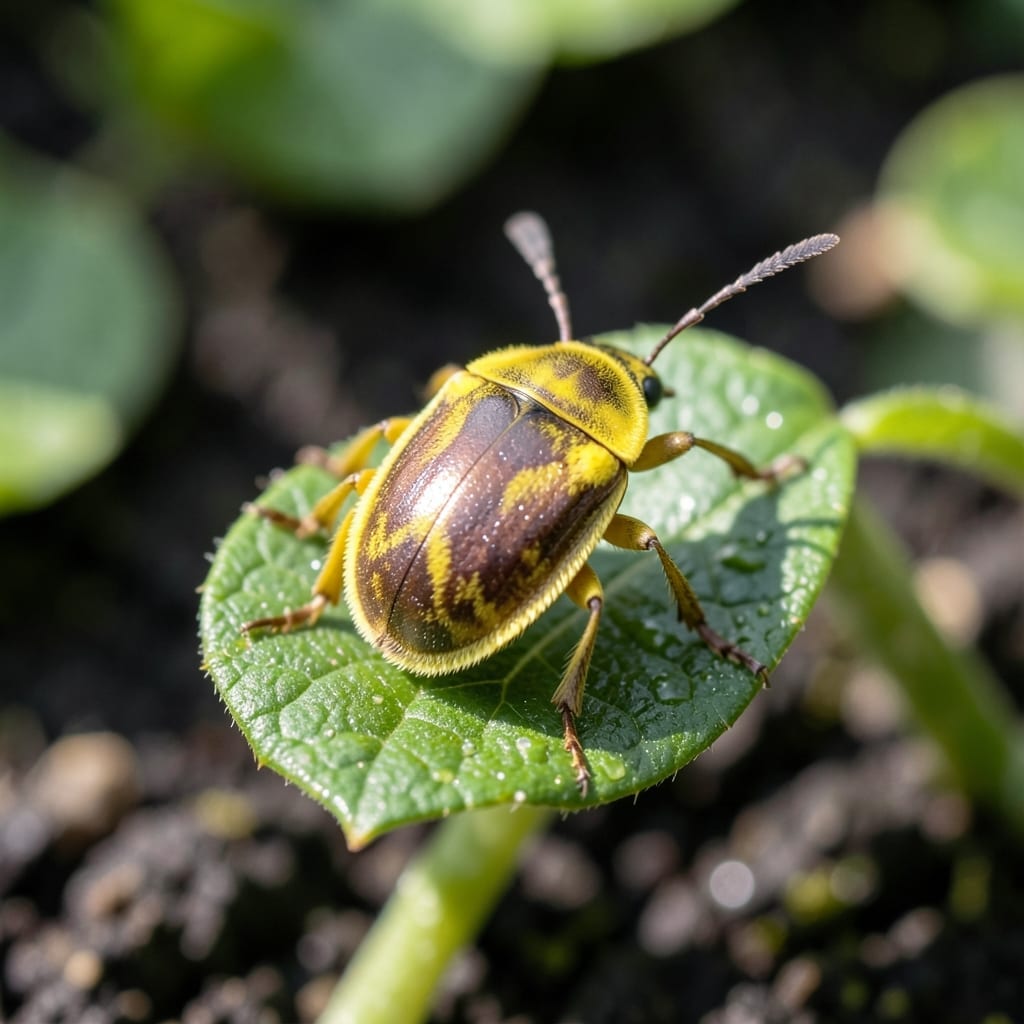
My garden looked like a war zone last June. These beetles skeletonize leaves overnight and turn a lush garden into Swiss cheese before you notice they’re there.
I learned they’re most active at dusk, which is why you rarely see the culprits—just the damage. The key is catching them early, before they multiply and before they start laying eggs in your lawn.
Natural solutions work surprisingly well if you’re consistent. Hand-picking in the evening, using neem oil sprays, and encouraging natural predators like birds can break their life cycle.
Chemical options exist, but I reserve those for severe infestations. The real victory comes from making your garden less inviting to them in the first place.
The yellow June bug, a common garden pest, emerges due to a combination of environmental and biological factors. Understanding these triggers helps in effective prevention and control.
These beetles thrive in warm climates, with their life cycle peaking in late spring and early summer. Adults lay eggs in moist, rich soil, which hatch into grubs. The grubs feed on organic matter and roots, maturing into adults the following year. This cycle is heavily influenced by temperature and soil moisture, making these the primary environmental triggers.
Yellow June bugs are drawn to areas with abundant vegetation, particularly lawns, gardens, and wooded regions. Overwatered lawns or poorly drained soils create the perfect breeding ground for their grubs. Additionally, decaying organic matter provides a food source for both larvae and adults, encouraging their proliferation.
In ecosystems where natural predators like birds, toads, or beneficial nematodes are absent, yellow June bug populations can grow unchecked. Reduced biodiversity in gardens or excessive pesticide use can eliminate these predators, allowing the beetles to thrive.
Certain human practices inadvertently attract these pests. Over-fertilizing lawns with nitrogen-rich products can create an ideal environment for grubs. Similarly, poor lawn maintenance, such as leaving grass clippings or leaf litter, provides shelter and food for adult beetles.
Dealing with an infestation of these pests can be frustrating, but there are effective ways to manage and reduce their presence. Below are actionable solutions tailored to common causes, along with prevention tips to keep them from returning.
Tall grass and weeds provide the perfect breeding ground. Fix it: Mow your lawn frequently and trim overgrown areas to remove hiding spots. Aim to keep grass at a height of 2-3 inches. For larger areas, consider using a weed trimmer to clear dense patches.
Prevention tip: 💡 Schedule weekly lawn maintenance during peak seasons (late spring to early summer) to stay ahead.
Piles of leaves, compost, or rotting wood attract these bugs. Fix it: Rake up leaf litter, clear out old mulch, and store firewood at least 20 feet away from your home. Seal compost bins tightly to block access.
Prevention tip: 🌡️ Keep your yard clean, especially after storms or seasonal changes when debris accumulates quickly.
These pests can slip indoors through tiny openings. Fix it: Inspect your home’s foundation, windows, and doors for gaps. Use caulk or weatherstripping to seal entry points. Install fine mesh screens on vents and windows.
Prevention tip: ✨ Check seals annually, especially before summer, when activity peaks.
Bright lights at night draw them in. Fix it: Switch to yellow bug lights or LED bulbs, which are less attractive. Turn off unnecessary outdoor lights, or use timers to limit exposure.
Prevention tip: 🎯 Position lights away from doorways and windows to minimize their reach.
For a natural approach, manually remove them. Fix it: Early in the morning, when they’re sluggish, drop them into a bucket of soapy water. Alternatively, set up a light trap with a bowl of water and a bright light to drown them overnight.
Prevention tip: 🔥 Repeat this process weekly during active seasons to keep populations in check.
They peak in late spring to early summer, especially at dusk. Adults emerge to feed and mate during warm evenings, making this the best time to spot and control them.
No, they don’t bite or sting humans. Their mandibles are designed for chewing leaves, not skin. You may feel a pinch if they’re handled roughly, but it’s harmless.
Look for brown, patchy grass that pulls up easily, like loose carpet. Dig a small section of soil—if you find white, C-shaped grubs, you’ve got an infestation.
Birds, toads, and ground beetles are top predators. Encourage them by providing water sources, birdhouses, or leaving some leaf litter for habitat.