
Beautiful Plants For Your Interior
Beautiful Plants For Your Interior
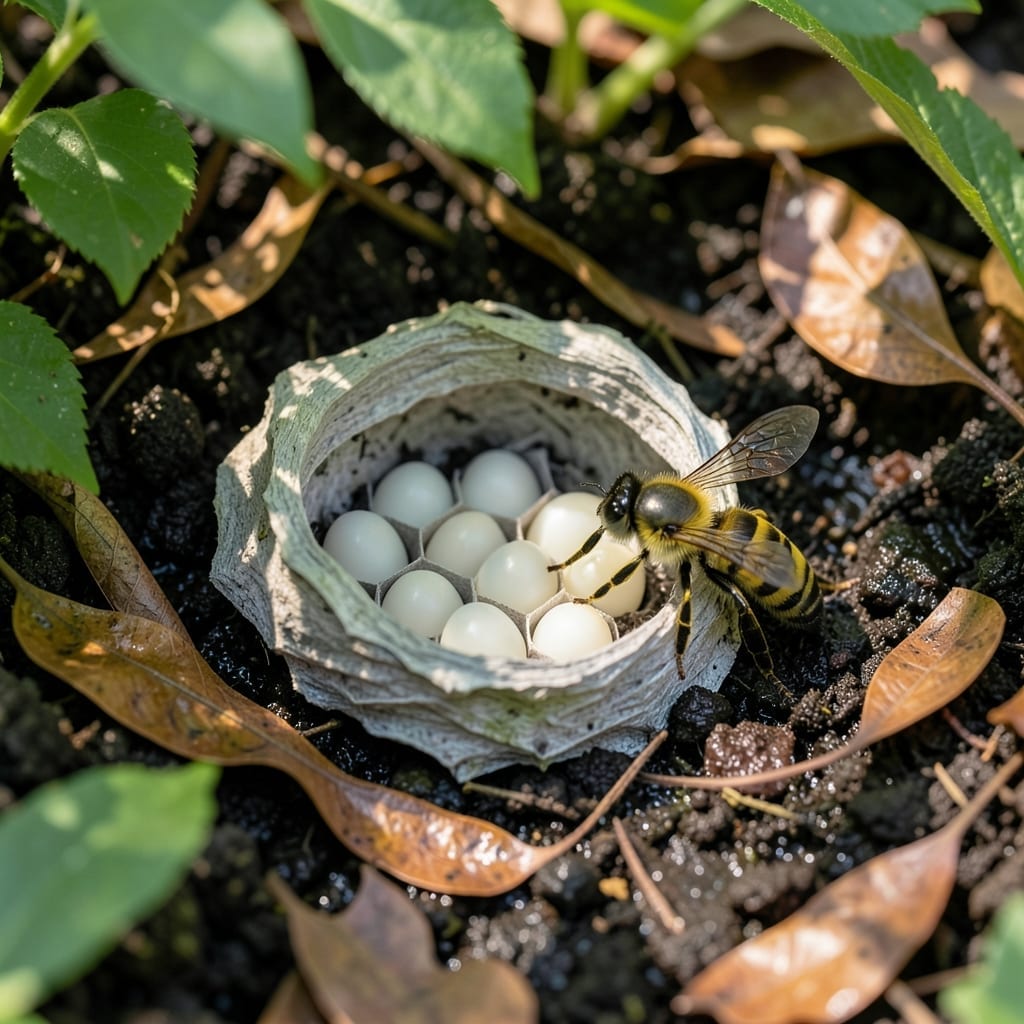
Spotting yellow jacket eggs in your garden means taking action before they hatch. I learned this the hard way after ignoring a small nest under my shed—by summer, it had exploded into a full-blown infestation.
These eggs look like tiny white grains attached to combs inside nests. The key is catching them early, before the larvae develop and the colony grows. A flashlight at dusk helps you spot the nests without disturbing the wasps.
Removal requires caution and the right timing. Nighttime is best, when the workers are less active. A DIY soap solution or vacuum method can eliminate them without harsh chemicals.
Prevent future nests by sealing entry points and removing food attractants. Regular garden checks keep your space safe and pest-free.
Understanding why yellow jacket eggs appear in your space starts with recognizing the biological and environmental triggers that lead to nesting. These aggressive wasps don’t just build nests randomly—they’re drawn to specific conditions that support their colony’s survival. Below are the primary causes behind their presence and egg-laying behavior.
Yellow jackets seek sheltered, warm, and dry locations to establish their nests. Common sites include underground burrows, wall voids, attics, or dense shrubbery. These spots protect their eggs from predators, extreme weather, and temperature fluctuations. If your property offers easy access to such areas—like unsealed cracks in structures or untended garden beds—it becomes a prime target for nesting.
These wasps are omnivorous scavengers, and their diet heavily influences where they settle. Yellow jackets are especially attracted to proteins (meat, fish) and sugars (sweet drinks, fruits). Picnic areas, uncovered trash cans, or pet food left outside can draw them in. Once they find a reliable food supply, they’ll build nests nearby to ensure their larvae (hatching from eggs) have constant access to nutrition.
Yellow jacket activity peaks in late summer and early fall, when colonies are at their largest and queens are laying eggs rapidly. Warm temperatures accelerate their life cycle, allowing eggs to hatch into larvae within 5–8 days. Regions with mild winters may also see overwintering queens survive to start new colonies earlier in the spring, leading to repeated infestations.
In ecosystems where natural predators (like birds, bears, or other insects) are absent or reduced, yellow jacket populations can thrive unchecked. This imbalance allows them to expand their nests aggressively, laying more eggs without threat. Human-altered environments, such as urban areas with limited biodiversity, often lack these natural controls, making them hotspots for infestations.
Dealing with yellow jacket eggs requires caution and precision. Follow these practical solutions to address the issue effectively and prevent future infestations.
First, identify the nest where the eggs are laid. Yellow jackets often build nests underground, in wall voids, or in dense shrubs. Look for high wasp activity, especially near entry points. Never disturb the nest during the day—wait until dusk or dawn when the wasps are less active.
Use an insecticide dust or spray labeled for wasps. Apply it directly into the nest entrance at night. For underground nests, dust formulations work best as they spread easily. Wear protective clothing, including gloves and a veil, to avoid stings. If the nest is large or hard to reach, consider hiring a professional pest control service.
Yellow jackets are drawn to sugary foods, meats, and open garbage. Remove food sources by:
Prevention is key to avoiding another infestation. Take these steps:
By acting quickly and methodically, you can safely eliminate yellow jacket eggs and keep your space wasp-free.
They appear as tiny white grains, often clustered in comb-like structures within the nest. Each egg is about 1-2mm long and may resemble small rice grains. The queen lays them in individual cells, where they remain until hatching.
Act at dusk or dawn when wasps are least active. This minimizes the risk of stings. Avoid daytime removal, as workers will aggressively defend the nest and eggs.
A soap and water solution can be effective when sprayed directly into the nest. The soap breaks down their exoskeletons, suffocating the colony. Always wear protective gear and treat at night.
Under warm conditions, eggs typically hatch in 5-8 days. The larvae then develop for another 2-3 weeks before becoming adult wasps. Regular nest inspections help catch them early.