
Beautiful Plants For Your Interior
Beautiful Plants For Your Interior
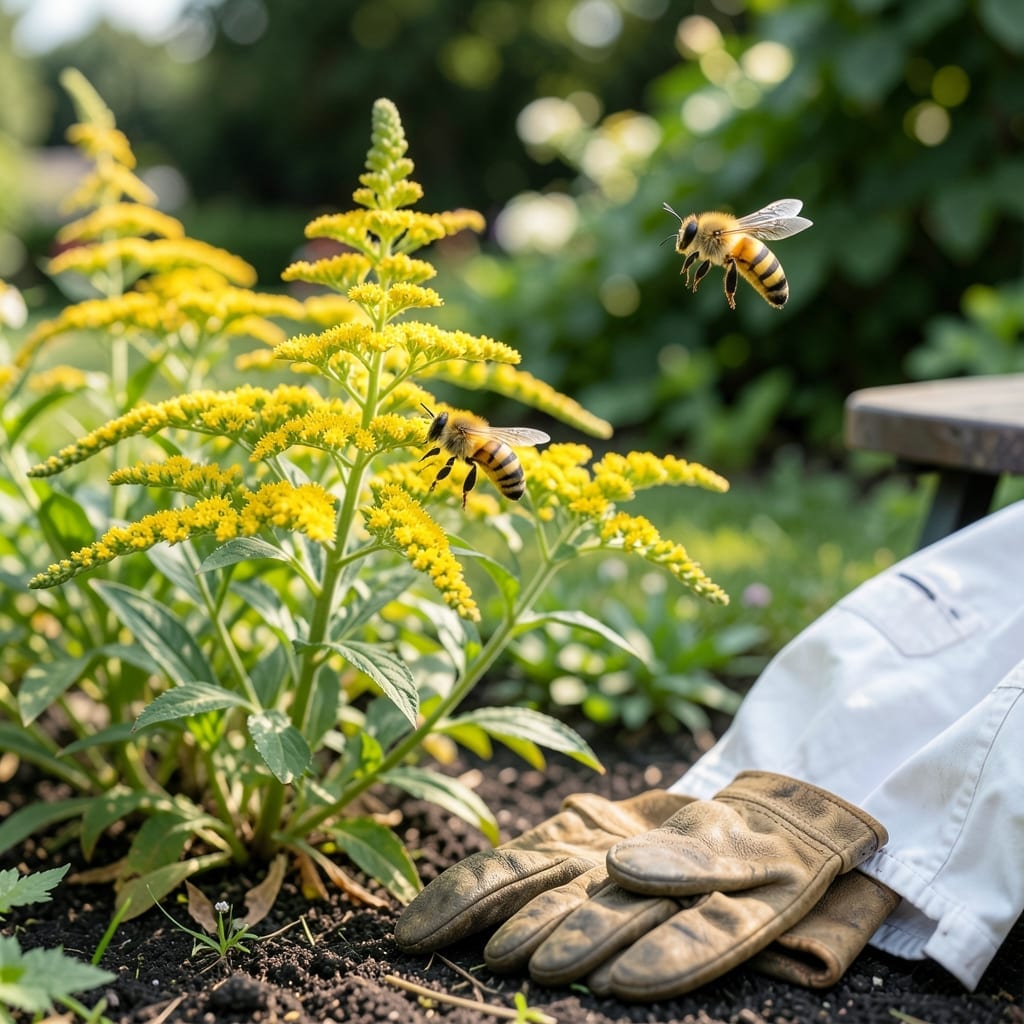
Yellow jacket bees are highly aggressive wasps that sting repeatedly when threatened. They build underground nests and swarm to protect their colony, unlike honeybees.
I’ve learned that these insects become especially defensive in late summer when their colonies peak in size. Their smooth stingers allow for repeated attacks, which is why they’re far more dangerous than honeybees. 🔥
They’re also attracted to human food, making picnics and outdoor events prime locations for encounters. Always scan for their low-to-the-ground nests before working in your yard.
💡 In This Article
The aggression stems from their role as colony protectors. Unlike honeybees that produce honey, yellow jackets are predators and scavengers, relying on protein and sugars to feed their larvae. When food becomes scarce in late summer, their foraging becomes more desperate, increasing confrontations with humans. 🔥
Biologically, these insects have a well-developed stinger with no barbs, allowing for repeated stings without self-harm. Their venom contains acetylcholine, which intensifies pain and triggers a more aggressive response from the victim. This chemical cocktail is designed to subdue prey quickly and deter larger threats like mammals.
Environmental factors amplify their defensiveness. Nests, often built in underground cavities or wall voids, can house 5,000+ workers at peak size. When disturbed, they release pheromones that signal the colony to attack en masse. This swarm response is why stepping near a nest can result in dozens of stings within seconds. ⚡
Seasonal changes also play a role. In early summer, yellow jackets focus on protein to feed growing larvae. By late summer, as food sources dwindle and colonies reach maximum size, they become more aggressive. The shift from protein to carbohydrate foraging makes them common pests at picnics and outdoor gatherings.
Their territorial nature extends to food sources. Studies show they can detect human food from 100+ feet away, and will aggressively defend their find against other insects or humans. This behavior is particularly pronounced in urban areas where natural food sources are limited.
Unlike bees that pollinate flowers, yellow jackets are primarily carnivorous. They hunt other insects, scavenge carrion, and even steal food from humans. This dietary flexibility contributes to their widespread presence and aggressive reputation. 💫
They release pheromones when threatened, signaling the colony to swarm. A single nest can house 5,000+ workers, which will aggressively defend their home if disturbed. This is why stepping near a nest can result in multiple stings within seconds.
Look for small holes in the ground or wall voids instead of hanging combs. Their nests are often hidden underground or in enclosed spaces, while honeybee hives are typically visible and above ground.
Stay calm and gently brush it away with a flat object. Swatting can trigger an attack. Avoid sudden movements, as their smooth stingers allow repeated stings without harm to the insect.
Yes, they become more defensive in late summer when colonies peak in size and food sources dwindle. This is when they’re most likely to scavenge human food and attack in swarms.