
Beautiful Plants For Your Interior
Beautiful Plants For Your Interior
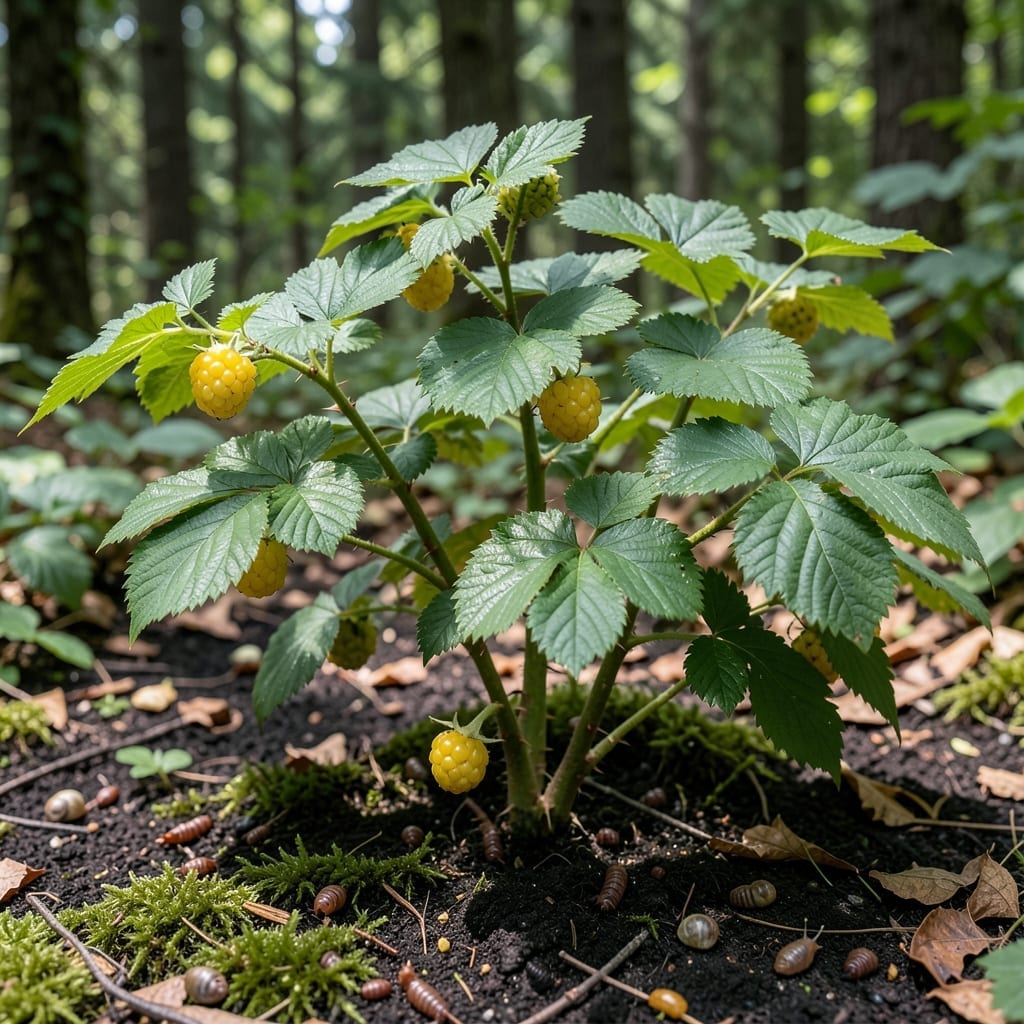
This exotic berry changed my fruit garden forever. The yellow Himalayan raspberry produces sweet, golden fruit that tastes like a cross between a raspberry and a peach, and it’s easier to grow than you’d think.
I planted my first canes in partial shade with rich, well-draining soil, and they took off faster than any other fruit I’ve tried. The plants are vigorous, disease-resistant, and produce heavy yields once established.
You’ll harvest buckets of fruit from midsummer through fall, with minimal maintenance required. The canes spread readily, so give them space or contain them with a trellis.
Perfect for gardeners who want unusual fruit without the fuss. Here’s how to make it thrive in your space.
The yellowing of Rubus ellipticus, commonly known as the Himalayan raspberry, is often a sign of underlying stress or disease. Below are the primary causes, explained with scientific precision to help you diagnose and address the issue effectively.
Yellowing leaves, particularly in younger foliage, often indicate a nitrogen deficiency. Nitrogen is vital for chlorophyll production, and its absence stunts growth and leads to pale or yellow leaves. A soil test can confirm low nitrogen levels, and applying a balanced, nitrogen-rich fertilizer (e.g., 10-10-10 or 20-10-10) can restore vibrancy. Magnesium deficiency is another culprit, causing interveinal chlorosis (yellowing between leaf veins). Epsom salt (magnesium sulfate) sprays or soil amendments can correct this.
Both overwatering and underwatering can trigger yellowing. Overwatering suffocates roots, reducing their ability to absorb nutrients and leading to a condition called edema, where cells burst and leaves turn yellow. Conversely, underwatering causes drought stress, where the plant conserves water by shedding or yellowing leaves. Ensure well-draining soil and a consistent watering schedule—aim for moist, not soggy, conditions.
Fungi like Phytophthora and Verticillium cause root rot and wilt, respectively, both of which manifest as yellowing foliage. Phytophthora thrives in waterlogged soil, while Verticillium spreads through contaminated tools or soil. Fungicides containing copper or potassium bicarbonate can help manage these infections. Additionally, removing and destroying infected plant parts prevents further spread.
Sap-sucking pests such as aphids and spider mites drain the plant of essential nutrients, leading to yellowing and stunted growth. Aphids excrete a sticky substance called honeydew, which can also promote sooty mold growth, further stressing the plant. Introduce natural predators like ladybugs or apply neem oil to control these pests effectively.
Extreme temperatures, either too hot or too cold, can cause physiological stress in Himalayan raspberries. Heat stress accelerates transpiration, leading to dehydration and yellowing, while cold stress damages cell membranes. Providing shade during peak heat and mulching to insulate roots can mitigate these effects. Additionally, sudden temperature fluctuations can shock the plant, so aim for a stable growing environment.
If your Himalayan yellow raspberry plants are struggling, pinpoint the problem and apply these targeted fixes to restore health and productivity.
Yellow leaves often signal nitrogen deficiency. Fix it by applying a balanced organic fertilizer (10-10-10) or compost tea every 2–3 weeks. Test soil pH—raspberries thrive at 5.5–6.5. If too alkaline, amend with peat moss or sulfur.
Prevent it: Mulch with pine needles (acidic) and rotate crops to avoid depletion. 💡
White or brown spots on leaves? Likely fungal. Remove infected foliage immediately and avoid overhead watering. Apply neem oil or copper fungicide at first signs. Space plants 2–3 feet apart for better airflow.
Prevent it: Water at the base in the morning, and prune dense canes annually. 🌡️
Slugs, aphids, or beetles chewing leaves? Handpick pests or use row covers for physical protection. Spray insecticidal soap for aphids, or set up beer traps for slugs. Encourage ladybugs (natural predators) by planting companion flowers like marigolds.
Prevent it: Keep the garden debris-free and rotate planting locations yearly. ✨
Drooping canes? Check soil moisture—raspberries need consistent water (1–2 inches weekly) but hate soggy roots. If soil is dry, deep-water; if waterlogged, improve drainage with perlite or raised beds.
Prevent it: Use drip irrigation and mulch to retain moisture evenly. 🎯
It thrives in partial shade to full sun, with at least 4-6 hours of direct sunlight for optimal fruit production. Morning sun with afternoon shade works best in hotter climates.
Use well-draining, loamy soil rich in organic matter. The ideal pH range is slightly acidic, between 5.5 and 6.5. Amend heavy clay with compost for better results.
Plant in early spring or fall, when temperatures are mild. This gives roots time to establish before extreme heat or cold. Avoid planting during peak summer.
Prune annually in late winter before new growth starts. Remove dead or weak canes and thin out crowded areas to improve airflow and fruit quality.