
Beautiful Plants For Your Interior
Beautiful Plants For Your Interior
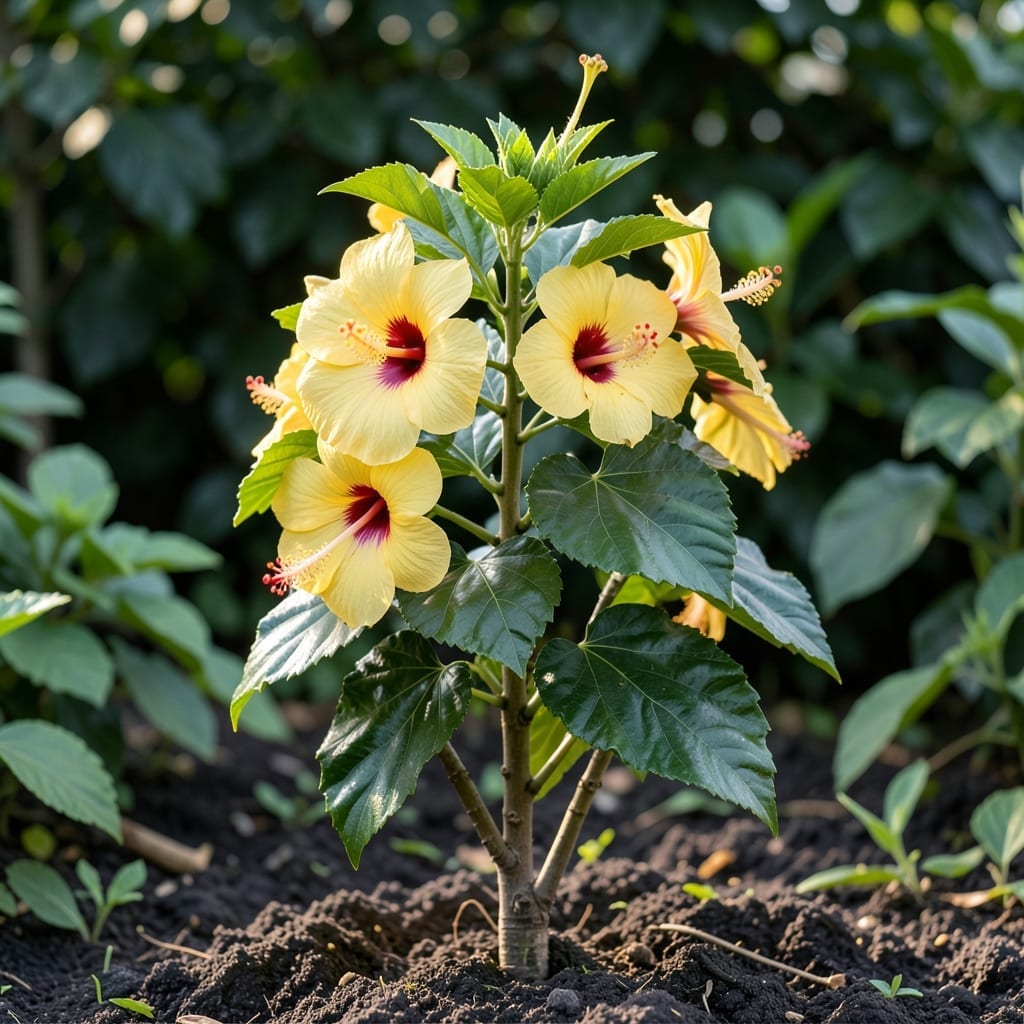
The yellow hibiscus symbolizes happiness, sunshine, and friendship. In Hawaiian culture, it represents hospitality and delicate beauty, often used in leis to welcome guests.
I love how this flower carries such universal positivity across different traditions. Its golden hue mirrors the warmth of the sun, which is why it’s frequently associated with cheerful energy and good fortune. 🌟 In many Pacific Island cultures, presenting a yellow hibiscus lei is a gesture of respect and aloha spirit, making it far more than just a pretty bloom.
💡 In This Article
The yellow hibiscus carries deep meaning in Hawaiian traditions, where its golden hue mirrors the tropical sun and the warmth of aloha. This connection to sunlight isn’t just visual—it’s rooted in how the flower thrives in 8-10 hours of direct sunlight daily, symbolizing resilience and joy even in harsh conditions. 🌟
In ancient Hawaiian culture, the flower wasn’t just decorative. Its fibers were used to create strong ropes and fabrics, showing its dual role as both a symbol of beauty and a practical resource. The petals, when steeped, produced a soothing tea that was believed to calm the spirit, reinforcing its association with positivity and well-being.
What makes the yellow hibiscus unique is its ability to bloom year-round in tropical climates, unlike seasonal flowers. This constant blossoming represents eternal happiness and unwavering friendship, making it a popular choice for leis given to honored guests. Each petal’s delicate texture—soft yet sturdy—mirrors the balance of strength and grace in Hawaiian values.
The flower’s use in leis goes beyond aesthetics. In traditional ceremonies, a lei of yellow hibiscus placed around the neck was a sign of protection and blessings. The scent, though subtle, carries a sweet, citrusy note that was thought to attract good fortune, much like how its bright color draws pollinators in nature.
Beyond Hawaii, the yellow hibiscus holds significance in other cultures too. In parts of Asia, it’s associated with divine feminine energy, while in the Caribbean, it’s often planted near homes to ward off negative energy. This global appreciation highlights its universal appeal as a symbol of light, hope, and connection. ✨
In Hawaiian culture, it represents hospitality, aloha spirit, and delicate beauty. It’s often used in leis to welcome honored guests, symbolizing respect and warmth.
Its fibers create strong ropes and fabrics, while steeped petals make a soothing tea believed to calm the spirit. This dual purpose reflects its practical and symbolic value.
It blooms year-round in tropical climates, unlike seasonal flowers. This constant blossoming represents unwavering joy and enduring friendship, making it a powerful symbol.
In Asia, it’s linked to divine feminine energy, while in the Caribbean, it’s planted near homes to ward off negativity. Its bright hue universally symbolizes light and hope.