
Beautiful Plants For Your Interior
Beautiful Plants For Your Interior
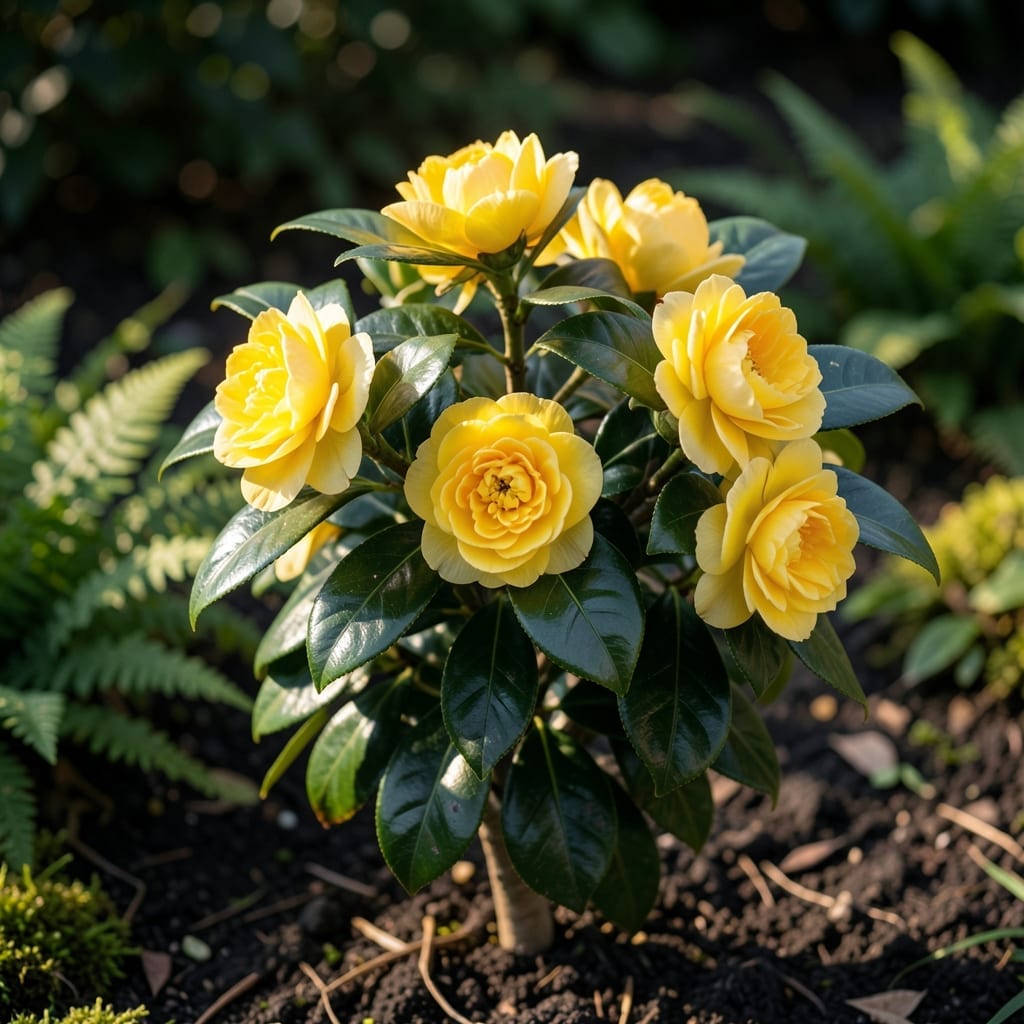
There’s something magical about a yellow camellia blooming in the dead of winter. I first spotted one in a neighbor’s garden back in December—bright, bold, and utterly unexpected against the gray sky.
These evergreen shrubs thrive in the South’s mild winters, offering glossy leaves and vibrant flowers when most plants are dormant. They’re not fussy: partial shade, well-draining soil, and consistent moisture are all they ask for.
With the right care, you’ll get weeks of cheerful blooms from late fall through early spring. The flowers resist cold snaps and even light frosts, making them a reliable splash of color.
Perfect for borders, containers, or as a standalone focal point. Here’s how to grow them right.
When Camellia blooms lose their lush green and turn yellow, it’s often a sign of stress. Below are the most common causes, explained with actionable insights to restore your plant’s health. 🌿
Camellias thrive in moist but well-drained soil. Saturated roots suffocate, blocking oxygen uptake and nutrient absorption. This triggers chlorosis (yellowing) as the plant struggles to produce chlorophyll. Fix it: Check soil moisture 2 inches deep—if soggy, reduce watering and improve drainage with organic matter like pine bark.
Yellowing often points to iron or nitrogen deficiency. Camellias are acid-loving plants (ideal pH: 5.5–6.5); alkaline soil locks out iron, causing interveinal yellowing (green veins, yellow leaves). Fix it: Test soil pH and amend with sulfur or chelated iron. For nitrogen, use a balanced, acid-forming fertilizer in spring.
Too much direct sun can scorch leaves, while deep shade starves them of light needed for photosynthesis. Fix it: Plant in partial shade (morning sun, afternoon shade) or use shade cloth. If growing indoors, ensure bright, indirect light.
Spider mites, scale, or root rot (from Phytophthora fungi) stress the plant, diverting energy from leaf health. Fix it: Inspect leaves for webbing or sticky residue (signs of pests) and treat with neem oil. For root rot, prune affected roots and repot in fresh, sterile soil.
Growing camellias can be straightforward, but yellowing leaves or sparse blooms often signal correctable problems. Below are practical fixes for the most common issues, along with simple prevention tips to keep your plant thriving.
Fix: Test your soil’s pH—camellias prefer acidic soil (5.5–6.5). If the pH is too high, amend with sulfur or cottonseed meal. For iron deficiency, apply a chelated iron supplement directly to the soil.
Prevent: Use acid-loving plant fertilizer in early spring and avoid overwatering, which can leach nutrients. 💡 Pro tip: Mulch with pine bark to maintain acidity naturally.
Fix: Prune at the right time—after flowering (late winter/early spring) to avoid cutting off next season’s buds. If buds drop before opening, check for cold snaps or over-fertilizing with nitrogen. Reduce high-nitrogen feeds and protect plants from sudden temperature drops with frost cloth.
Prevent: Ensure 6+ hours of dappled sunlight daily and avoid late-season pruning. 💡 Pro tip: A balanced 10-10-10 fertilizer in fall promotes bud formation.
Fix: Spray leaves with neem oil or insecticidal soap, focusing on the undersides where pests hide. For severe infestations, use horticultural oil in early morning or late evening to avoid leaf burn.
Prevent: Encourage natural predators like ladybugs by planting companion flowers (e.g., marigolds). 💡 Pro tip: Regularly rinse leaves with water to deter pests before they settle.
Fix: Improve drainage by mixing sand or perlite into the soil. If the plant is already affected, trim blackened roots and repot in fresh, well-draining mix. Reduce watering frequency—let the top 1–2 inches of soil dry out between waterings.
Prevent: Plant in raised beds or containers with drainage holes. 💡 Pro tip: Use a moisture meter to avoid guesswork.
Use well-draining, slightly acidic soil with a pH of 5.5–6.5. Mix in organic matter like pine bark or compost to improve texture and acidity. Avoid heavy clay soils that retain too much moisture.
Water when the top 1–2 inches of soil feel dry. Keep soil consistently moist but never soggy—overwatering leads to root rot. Reduce frequency in cooler months.
Lack of blooms often means too much shade or improper pruning. Ensure 6+ hours of dappled sunlight daily and prune only after flowering to avoid cutting off buds.
Yes! Use a large pot with drainage holes and acidic potting mix. Keep the container in partial shade and water regularly, as potted plants dry out faster.