
Beautiful Plants For Your Interior
Beautiful Plants For Your Interior
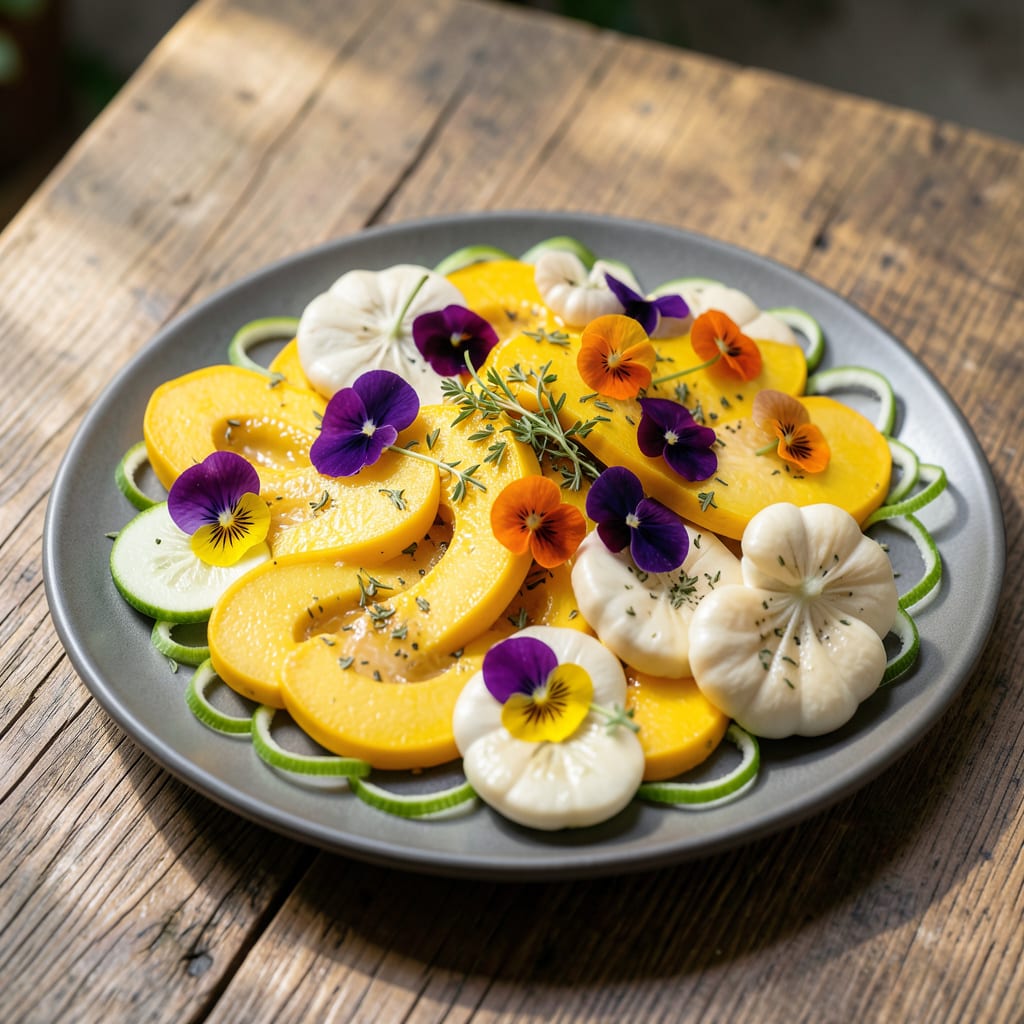
I used to think squash was either going to take over my garden or flop entirely. Then I discovered the sweet spot for growing yellow and white varieties—warm soil, consistent water, and just enough space to spread.
You’ll get tender, flavor-packed harvests within 50-60 days, and the plants keep producing if you pick regularly. Even my black thumb can’t mess this one up anymore.
📚 In This Guide
Here is how I harvest summer squash at the perfect moment for the best texture and flavor.
Check plants daily once flowers appear, as yellow and white squash grow rapidly. Harvest when fruits reach 6-8 inches long for yellow varieties and 4-6 inches for white types. The skin should be tender enough to pierce easily with your fingernail—this is the key sensory test.
Overmature squash develop tough, woody rinds and seedy interiors. I look for glossy, vibrant skin color and a firm but not hard texture. If the stem begins to harden or turn brown, the squash is past its prime for peak flavor.
Cut squash from the vine using clean, sharp pruners or a knife rather than twisting. This prevents damage to the plant. Leave about 1 inch of stem attached to the fruit to reduce moisture loss and prevent rot.
I harvest in the morning when plants are well-hydrated and temperatures are cooler. Be gentle with the vine—yanking can uproot the entire plant or damage future fruit production. Wear gloves if the stems are prickly, which is common with some squash varieties.
Summer squash hide under large leaves, so part the foliage carefully to spot fruits. I often find the largest specimens tucked beneath the center of the plant. Check the base of the plant first, as this is where fruits typically develop first.
Look for squash that have lost their flower blossoms—this indicates they’re ready. The blossom end should appear slightly dry. If you see fresh yellow flowers still attached, wait another day or two before harvesting.
Pick squash every 2-3 days during peak production to keep plants productive. The more you harvest, the more the plant will produce. I’ve found that plants left with mature fruit will significantly slow down or stop producing altogether.
If you miss a day and find oversized squash, remove them anyway to redirect the plant’s energy toward new fruit. Even if too large for ideal eating, they can be composted or used for baking where texture matters less.
Squash bruise easily, so handle them gently. I place harvested fruits in a single layer in a basket or box to prevent pressure damage. Avoid stacking, as the weight can cause soft spots that lead to spoilage.
Store at 45-50°F with 90-95% humidity if not using immediately. They’ll keep for about 5-7 days under these conditions. For best flavor, use within 2-3 days of harvest—this is when they’re at their sweetest and most tender.
Mastering the harvest timing and technique makes all the difference in getting the best flavor and texture.
The Size Sweet Spot: For yellow varieties, that 6-8 inch window is critical—any longer and the seeds get tough. White varieties peak at 4-6 inches, where the skin stays tender enough to pierce with your fingernail. I learned the hard way that even one extra day can turn a perfect squash into a fibrous disappointment.
Morning Harvest Advantage: Step 2 emphasizes morning picking for good reason. Plants are most hydrated after a cool night, making the squash firmer and less prone to bruising. I’ve noticed the difference immediately—afternoon harvests often wilt faster and lose that crisp snap.
Stem and Storage Wisdom: Leaving that 1 inch of stem attached isn’t just tradition—it seals in moisture. Store your harvest at 45-50°F with high humidity, and you’ll extend their prime by days. For the best flavor, though, use them within 2-3 days, when the sugars are at their peak.
Production Boost: Step 4’s 2-3 day harvest rhythm keeps plants prolific. Miss a cycle, and you’ll see production drop. Even oversized squash should be removed—they sap energy the plant could use for new fruit.
Yes! Both can be enjoyed raw when young and tender. Slice thinly for salads or dip in hummus for a crisp, mild snack. Older squash may taste bitter, so stick to fresh, firm produce.
Harvest when the skin is shiny and tender (easily punctured with a fingernail), and the squash are 4–8 inches long. Overripe ones become tough and seedy. Check plants every 2–3 days in peak season!
Store unwashed in a perforated bag in the fridge for up to 5 days. For longer storage, blanch and freeze. Avoid washing until ready to use to prevent spoilage.
Wilting often signals under/overwatering or pest issues like squash bugs. Check soil moisture (keep it evenly damp) and inspect leaves for pests. Morning watering helps prevent fungal diseases.
Absolutely! Zucchini and yellow squash are interchangeable in most dishes like stir-fries, casseroles, or grilled sides. Flavor and texture are nearly identical when cooked.
