
Beautiful Plants For Your Interior
Beautiful Plants For Your Interior
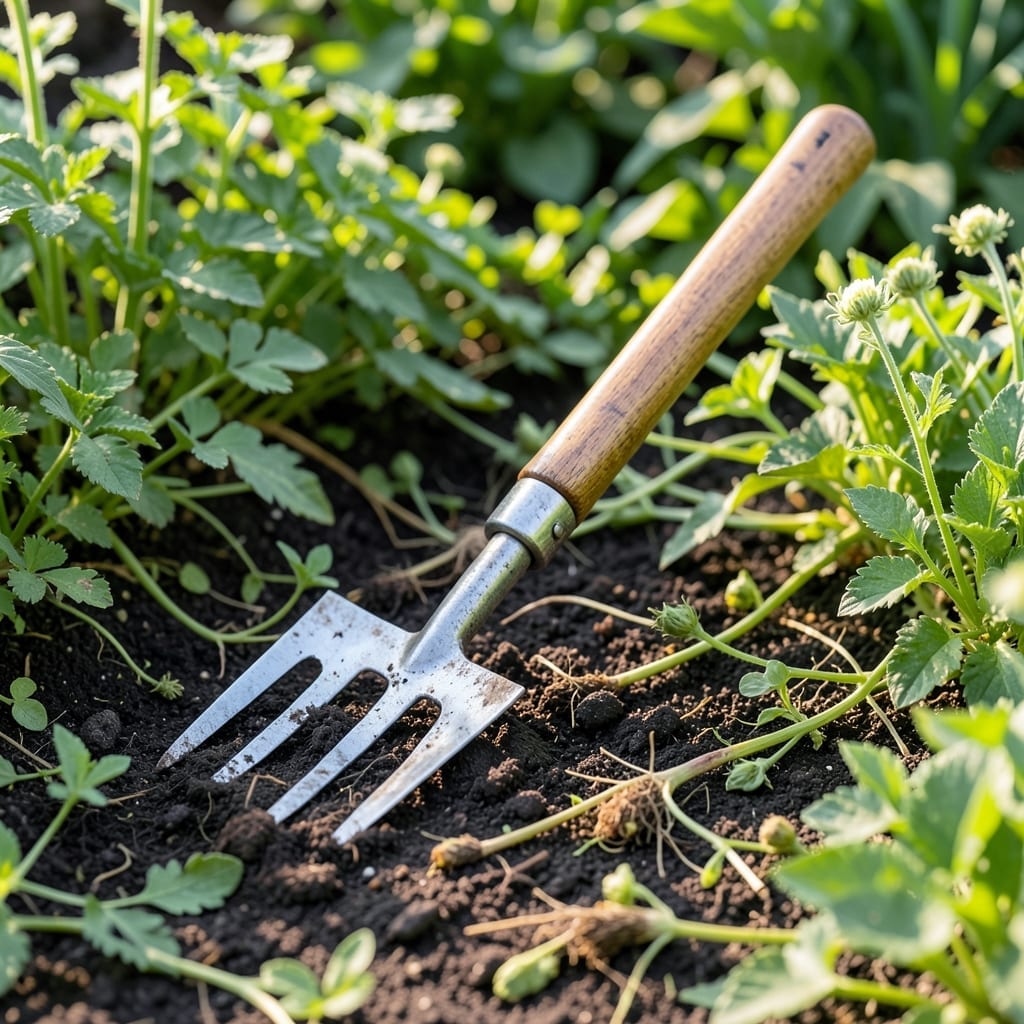
That moment when a stubborn dandelion refuses to budge—sound familiar? I spent years wrestling weeds until I found the right tool. The difference between back-breaking struggle and effortless removal often comes down to what you’re holding in your hands.
The best yard weed pullers work with your body, not against it. Long handles save your back, ergonomic grips prevent blisters, and the right design gets the whole root. No more broken stems leaving half the problem behind.
You’ll notice the difference immediately: less bending, less strain, and weeds that actually stay gone. Plus, the satisfaction of pulling a full root on the first try never gets old.
Works for driveways, flower beds, or that one patch that always seems to sprout overnight. Here’s how to pick the right one for your space.
Understanding why weeds thrive in your yard is the first step to reclaiming control. Below are the primary causes, explained scientifically and actionably.
Weeds often sprout after soil disruption, such as tilling, digging, or foot traffic. These activities bring dormant weed seeds to the surface, where sunlight and oxygen trigger germination. Actionable tip: Minimize soil disturbance and use mulch to suppress weed growth.
Excess moisture creates ideal conditions for weeds like crabgrass and chickweed. Overwatered lawns or areas with poor drainage leave bare spots where weeds can take root. Actionable tip: Water deeply but infrequently, and improve drainage with organic matter or French drains.
Weeds like dandelions and clover thrive in thin or patchy lawns where grass struggles to compete for sunlight and nutrients. Weak grass allows weeds to dominate. Actionable tip: Overseed bare spots and fertilize regularly to strengthen your lawn’s defenses.
Heavy foot traffic or clay-heavy soil can compact the ground, reducing oxygen and water penetration. This stress weakens grass while hardy weeds like plantain or knotweed adapt and spread. Actionable tip: Aerate compacted areas annually to improve soil health.
Tackling weeds doesn’t have to be a backbreaking chore. Here’s how to solve common issues with your yard weed puller and keep your garden looking pristine.
Fix: Use your weed puller to remove the entire root system. If the tool isn’t extracting roots fully, switch to a model with a deeper or serrated blade. For stubborn weeds, loosen the soil first with a hand trowel.
Prevention: Apply a layer of mulch (2-3 inches) to block sunlight and suppress new growth. 💡 Pro tip: Reapply mulch annually for best results.
Fix: Moisten dry, compacted soil with water before pulling weeds. If the tool still sticks, opt for a puller with a sharpened or reinforced edge to cut through resistance.
Prevention: Regularly aerate your lawn to improve soil structure. Work in compost to keep the ground loose and workable.
Fix: Choose a weed puller with an ergonomic handle and a wide grip to reduce hand strain and speed up the process. Stand upright and use your body weight to drive the tool into the soil.
Prevention: Pull weeds when the soil is damp (after rain or watering) and when weeds are young—before they seed and spread. ✨ Pro tip: Schedule weekly 10-minute weed sessions to stay ahead.
Fix: Angle the puller close to the weed’s base and twist slightly as you lift to ensure the root comes out intact. For taproots (like dandelions), use a puller with a narrow, forked tip.
Prevention: Inspect the soil after pulling to confirm the root is fully removed. If regrowth appears, repeat the process immediately.
Long handles (30-40 inches) are ideal for standing work, saving your back. For tight spaces or containers, pick a compact 12-18 inch model. Test the grip comfort before buying—your hands will thank you.
Yes, but look for a puller with a narrow, forked tip to grab taproots. Loosen soil first with a trowel if roots are stubborn. The whole root must come out to prevent regrowth.
Wet soil is actually ideal—it’s softer, making roots easier to pull. Avoid soggy ground that sticks to the tool. Dry, compacted soil may require pre-watering 30 minutes before pulling.
Weekly 10-minute sessions prevent overwhelm. Focus on young weeds before they seed. After rain is the perfect time for quick, easy removal.