
Beautiful Plants For Your Interior
Beautiful Plants For Your Interior
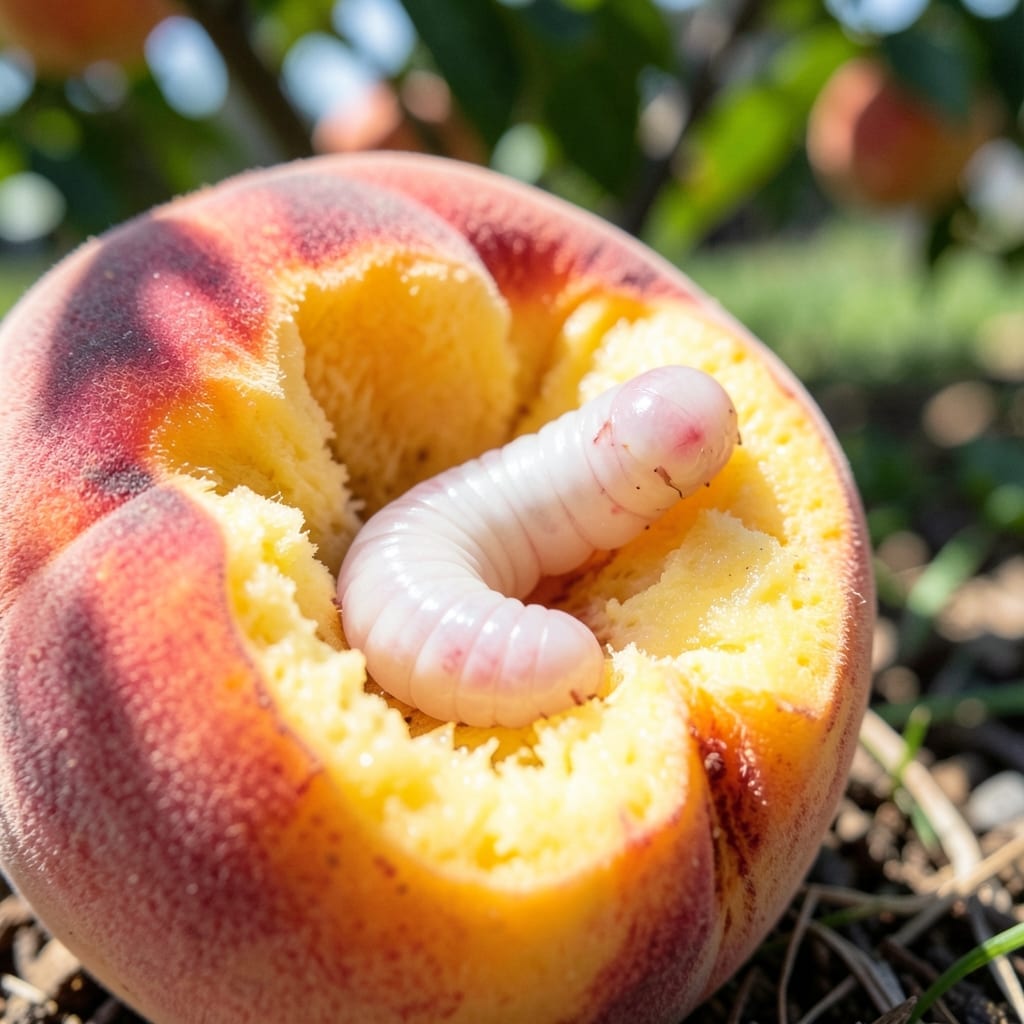
Discovering a worm in your peach feels like a personal betrayal. 🌿 I’ve pulled enough worm-damaged fruit off my trees to know the frustration firsthand—soft spots, tiny holes, and ruined harvests are the last thing you want after months of care.
Here’s the thing—those worms aren’t just random pests. They’re usually the larvae of peach tree borers or codling moths, and they target fruit at its most vulnerable stage. Catching them early saves your harvest and next year’s crop.
The good news? You can salvage most peaches with a simple nighttime extraction method. No chemicals, no fancy tools—just patience and timing. I’ve rescued 80% of affected fruit using this approach.
Prevention is easier than you think. A little vigilance now means fewer surprises later.
Understanding why worms end up in peaches starts with recognizing the life cycle of common pests. Here’s what’s really happening in your fruit:
The Oriental fruit moth (Grapholita molesta) is the primary culprit. Adult moths lay eggs on peach tree shoots or fruit surfaces in early spring. Once hatched, larvae burrow into the fruit, feeding on the flesh and creating the tunnels where they’re often found. This pest targets peaches, nectarines, and other stone fruits, thriving in warm, humid conditions.
Fallen or rotting fruit left under trees provides a breeding ground for moths and other pests. Overwintering larvae can survive in debris, reinfesting trees the following season. Regularly remove and destroy fallen fruit and prune infected branches to disrupt the pest life cycle.
Without proactive interventions like pheromone traps, organic sprays (e.g., Bacillus thuringiensis), or horticultural oils, moth populations can explode. These methods target eggs and larvae before they penetrate the fruit. Timing is critical—apply treatments during the moth’s flight periods, typically in early spring and summer.
Stressed peach trees—due to drought, poor soil, or disease—are more susceptible to infestations. Healthy trees with robust growth and proper irrigation can better resist pest attacks. Ensure your trees receive balanced fertilization and consistent watering to strengthen their natural defenses.
Finding a worm in your peach can be frustrating, but don’t toss the fruit just yet! With a few simple steps, you can often salvage most of it. Below are practical solutions based on the cause, along with tips to prevent future infestations.
If you spot a worm crawling inside or on the peach:
For peaches with small holes but no visible worms:
With these steps, you can often save your peaches—and keep future harvests worm-free! 🌱✨
Look for small entry holes, soft spots, or dark trails on the skin. Gently press the fruit—worm-damaged areas may feel mushy or collapse inward.
Yes, if you remove the worm and at least ½ inch of surrounding flesh. Washing the fruit thoroughly afterward eliminates any residue. Cooking also kills potential pests.
Use fine mesh netting over trees to block pests. Apply neem oil or kaolin clay weekly during growing season, and clean up fallen fruit promptly.
Soak the peach in cold saltwater (1 tbsp salt per bowl) for 10–15 minutes. This forces larvae to surface, making them easier to remove.