
Beautiful Plants For Your Interior
Beautiful Plants For Your Interior
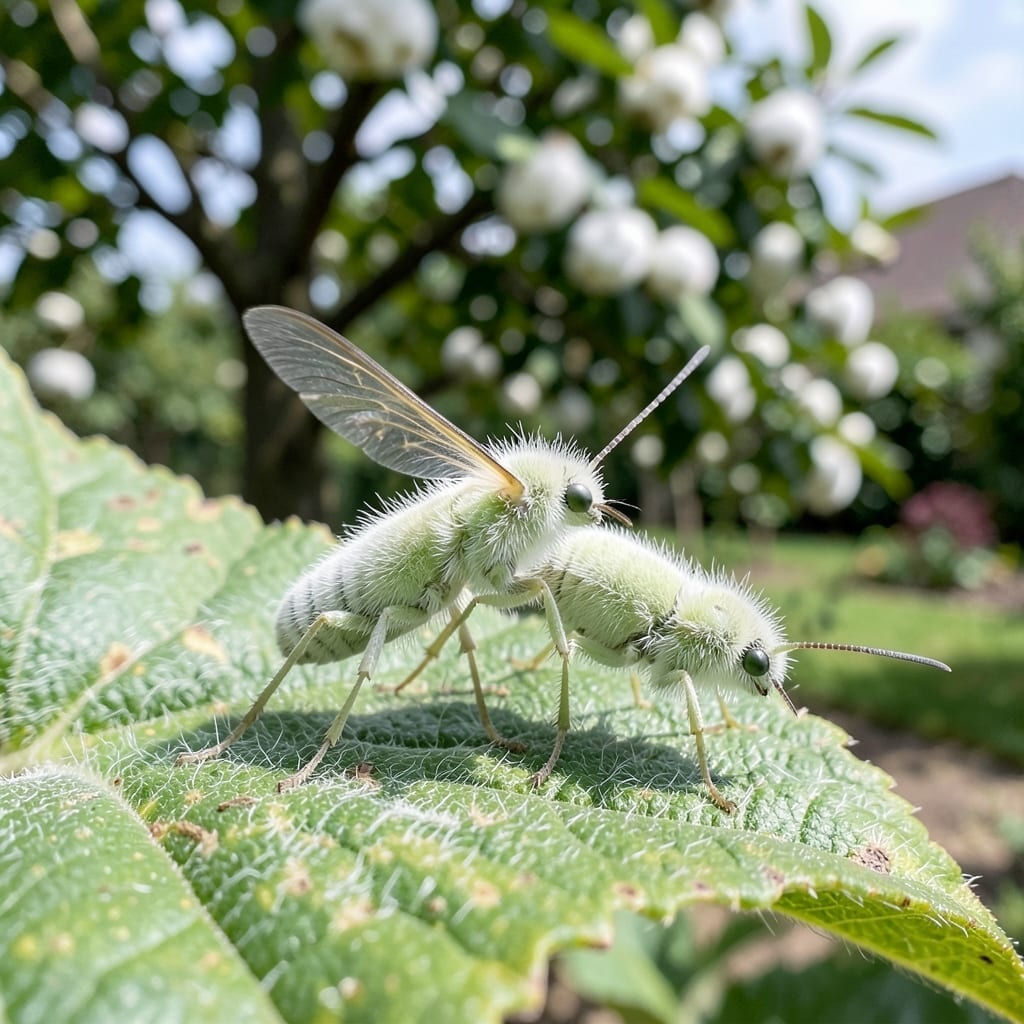
Those white, fluffy spots on your plants aren’t cotton—they’re woolly aphids. I first noticed them on my apple tree last summer, and by the time I acted, they’d spread to my roses. They look harmless, but these pests can quickly weaken even established plants.
When they start flying, it means they’re actively spreading to new hosts. The good news is they’re slower than other aphids, giving you a window to act. A strong blast of water can knock them off, but that’s just the first step.
You’ll need a consistent approach to keep them from returning. Organic options like insecticidal soap or neem oil work well if applied correctly. For severe infestations, systemic treatments may be necessary.
This isn’t just about saving your current plants—it’s about protecting your whole garden from future outbreaks.
Woolly aphids take to the air for specific biological and environmental reasons. Understanding these triggers helps you anticipate and mitigate infestations before they spread.
When woolly aphid colonies grow too large, resources like sap become scarce. This overcrowding signals winged aphids (alates) to develop and fly in search of fresh host plants. Apple trees, elms, and other favored hosts often see this exodus in late spring or early summer.
Warm temperatures (around 68–77°F) and lengthening daylight hours trigger the production of winged forms. These conditions align with new plant growth, ensuring aphids can find tender shoots to infest. Cooler fall weather may also prompt a final flight to overwintering sites.
Stressed or weakened plants emit chemical signals that attract aphids. Drought, poor soil health, or disease can make your garden a beacon for flying woolly aphids looking to exploit vulnerable hosts.
Woolly aphids alternate between woody hosts (like hawthorn) and herbaceous plants. Flight is essential for completing their complex life cycle, as winged generations must locate the correct plant type to reproduce and sustain the species.
Woolly aphids can quickly overwhelm your plants, but these targeted solutions will help you regain control. Address the root causes and apply fixes systematically for the best results.
Woolly aphids thrive in dense, humid environments. Trim overgrown branches to improve airflow and reduce hiding spots. Space potted plants at least 12–18 inches apart. This simple step disrupts their lifecycle and makes it harder for them to spread.
Stressed plants attract pests. Fertilize with a balanced, organic mix (e.g., 10-10-10) to boost plant health. Ensure consistent watering—not too much, not too little—to avoid weakening your greens. Healthy plants naturally resist infestations better.
For immediate action, introduce beneficial insects like ladybugs or lacewings, which feast on aphids. Alternatively, spray a mix of 1 tsp mild soap + 1 quart water directly on the pests to break down their woolly coating. Reapply every 2–3 days until they’re gone.
Consistency is key—combine these methods for long-term protection!
They take flight when colonies overcrowd or when temperatures hit 68–77°F. This is their way of finding new plants to infest. Warm weather and new growth trigger this behavior.
Yes, flying woolly aphids spread quickly to nearby hosts. They weaken plants by sucking sap and can introduce diseases. Act fast to prevent garden-wide damage.
Ladybugs and lacewings eat aphids voraciously. Introduce them early for best results. A soap-water spray can also break down their protective coating.
Space plants 12–18 inches apart, inspect new additions, and use reflective mulch. Healthy, stress-free plants resist infestations better.