
Beautiful Plants For Your Interior
Beautiful Plants For Your Interior
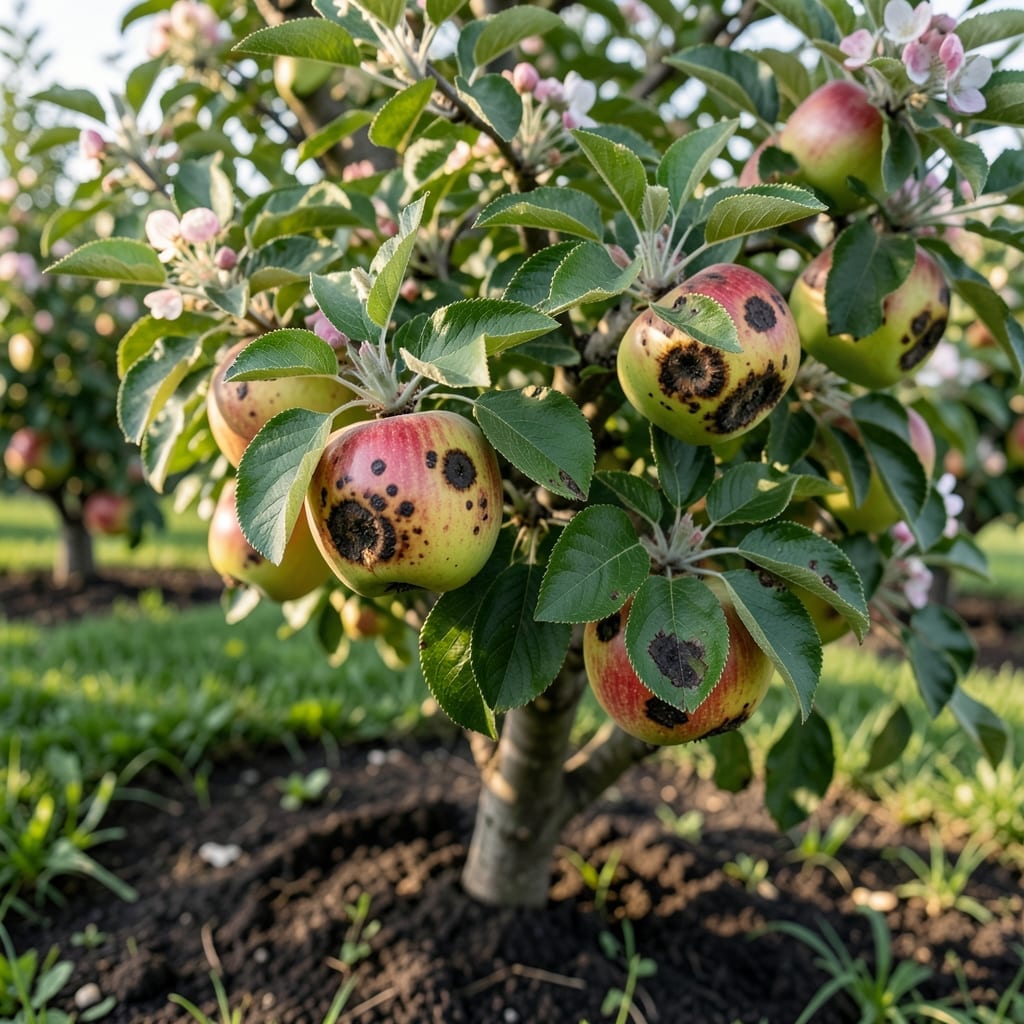
That first gray spot on my wood apple tree sent me into a panic. 🌱 Mold spreads fast if you don’t catch it early, and I learned the hard way that prevention beats cure every time.
White or black fuzzy patches on leaves and fruit mean trouble. The good news? Natural treatments work just as well as chemicals, and they’re safer for your garden and the environment.
I’ve saved several plants with simple sprays and better air circulation. You’ll see improvement within 2-3 weeks if you act fast. The key is consistency and catching it before it spreads.
Works for backyard trees or potted specimens. Here’s how to spot it and stop it in its tracks.
Mold on wood apples often stems from a combination of environmental and biological factors. Below are the primary causes, explained with actionable insights to help you prevent them.
Wood apples thrive in tropical climates, but excessive moisture in the air—typically above 70%—creates an ideal breeding ground for mold spores. These microscopic fungi love damp surfaces, and the fruit’s rough, porous skin can trap humidity, accelerating growth. Store wood apples in dry, well-ventilated areas and use dehumidifiers if needed.
Mold proliferates in warm, stable temperatures between 77–86°F (25–30°C). If wood apples are left in such conditions without proper airflow, spores germinate rapidly. Refrigerate the fruit at 40–50°F (4–10°C) to slow mold development while preserving freshness.
Mold spores can hitch a ride on tools, hands, or storage containers. If wood apples are bruised or punctured during picking or handling, spores enter the fruit, leading to internal mold. Sterilize harvesting tools and inspect fruit for damage before storage.
As wood apples overripen, their natural defenses weaken, and sugars break down—providing a feast for mold. Even small cuts or insect bites can expose the flesh. Consume or process wood apples promptly and discard any with visible bruises or soft spots.
Dealing with mold on wood apples requires quick action to prevent spoilage and health risks. Below are targeted solutions based on common causes, along with prevention tips to keep your produce safe.
If mold appears due to dampness, start by isolating affected fruit. Gently wipe the wood apple with a clean, dry cloth and place it in a well-ventilated area away from direct sunlight. For long-term storage, keep wood apples in a mesh bag or perforated container to allow airflow. Prevention tip: 💡 Store in a cool, dry place and check regularly for early signs of mold.
Mold thrives in stagnant air. If your storage space lacks airflow, use a small fan or open windows periodically to circulate air. For bulk storage, space out the fruit instead of stacking to reduce humidity buildup. Prevention tip: ✨ Place a moisture absorber like silica gel packets near stored wood apples to maintain dryness.
Mold spreads quickly from spoiled fruit to healthy ones. Discard any wood apples with visible mold or soft spots immediately to protect the rest. Inspect neighboring fruit for early signs like discoloration or musty odors. Prevention tip: 🎯 Regularly rotate your stock, using older fruit first to minimize waste.
For minor surface mold, a vinegar-water solution (1:1 ratio) can help disinfect. Dip a cloth in the mixture, wring it out, and gently wipe the fruit’s exterior. Rinse with clean water and dry thoroughly. Prevention tip: 🌿 Wash wood apples before storage to remove dirt or spores that may encourage mold growth.
By addressing the root cause and following these steps, you can effectively manage and prevent mold on wood apples. Consistency in storage practices is key to keeping your produce fresh and safe!
Mold appears as fuzzy white, black, or green patches that spread over time. Dirt can be wiped off easily, while mold clings to the surface and may have a musty smell.
Keep wood apples at 40–50°F (4–10°C) in the refrigerator to slow mold growth. Avoid storing at room temperature above 77°F (25°C).
No, discard any with visible mold immediately. Even small spots can spread quickly and may indicate internal contamination.
Inspect every 2-3 days for early signs. Catching mold early prevents it from spreading to other fruit in storage.