
Beautiful Plants For Your Interior
Beautiful Plants For Your Interior
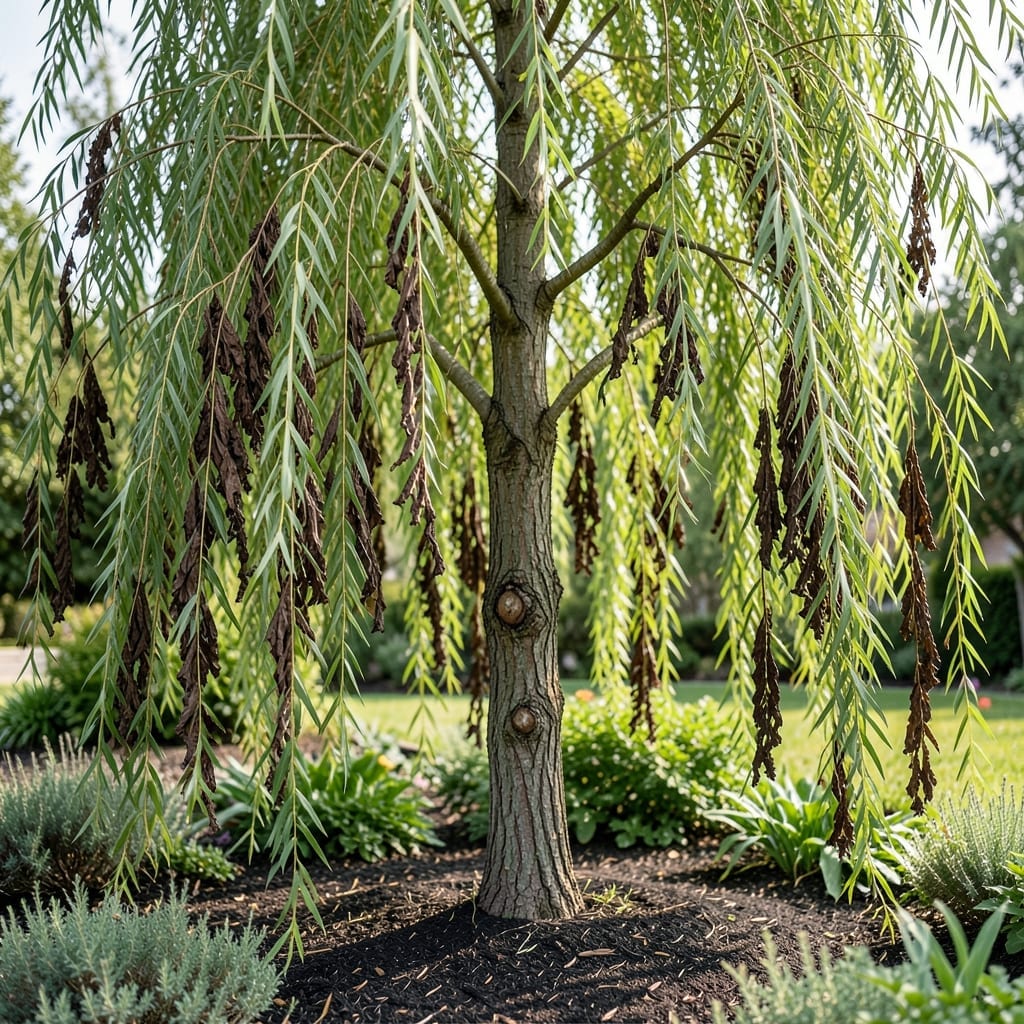
That moment when your willow’s leaves turn brown overnight hits hard. I’ve lost count of how many times I’ve watched healthy branches wither in days, assuming it was just drought stress. Willow blight moves fast, and catching it early makes all the difference.
This isn’t just an eyesore—it’s a fungus that spreads through wet conditions, turning vibrant green foliage into crispy remnants. The good news? It’s treatable without harsh chemicals, and prevention is simpler than you’d think.
You’ll spot the first signs as dark spots on leaves, then rapid yellowing and leaf drop. Left unchecked, it can defoliate a mature tree in 2-3 weeks. The key is acting before it reaches the branches.
Works for weeping willows, shrub willows, and even ornamental varieties. Here’s how to stop it in its tracks.
Willow blight disease is primarily driven by a combination of fungal pathogens, environmental stressors, and poor cultural practices. Understanding these root causes helps in prevention and targeted treatment.
The main culprit is Cryphonectria parasitica and Venturia saliciperda, fungi that thrive in moist, humid conditions. These pathogens enter through wounds or weakened tissue, often after pruning or storm damage. Once inside, they disrupt the tree’s vascular system, blocking water and nutrient flow.
Willows under stress—from drought, waterlogging, or extreme temperatures—are more susceptible. Overly wet soil (common in poorly drained areas) creates ideal conditions for fungal spores to spread. Similarly, high humidity and lack of airflow encourage spore germination on leaves and bark.
Improper pruning with unsterilized tools can introduce fungi directly into the tree. Crowded plantings reduce air circulation, while excessive nitrogen fertilization promotes lush, weak growth that’s more vulnerable to infection. Neglecting to remove fallen leaves or debris also allows spores to overwinter and reinfect in spring.
Once willow blight is identified, act fast to save your tree. Below are targeted fixes for each cause, plus prevention tips to keep your willow healthy long-term.
If the blight is caused by Fusicladium saliciperdum or other fungi, prune infected branches at least 6 inches below visible damage using sterilized tools. Burn or dispose of the clippings—never compost them, as spores can linger. Apply a copper fungicide (organic-approved) to the cuts and remaining foliage, repeating every 10–14 days during wet seasons.
Soggy soil invites blight. If poor drainage is the culprit, aerate the root zone with a garden fork and mix in compost or sand to improve texture. Adjust watering to 1–2 times per week, only when the top 2 inches of soil are dry. For potted willows, ensure pots have drainage holes.
Dense foliage traps moisture, creating a breeding ground for blight. Thin out crowded branches to increase airflow, focusing on the tree’s center. Space remaining branches at least 12–18 inches apart to allow light and air to penetrate. Do this in late winter before new growth starts.
Look for dark spots on leaves, followed by rapid yellowing. Leaves may drop prematurely, and branches can wither within 2-3 weeks if untreated. Early detection is critical for saving the tree.
Yes, but act fast. Prune infected branches 6 inches below damage and burn clippings. Apply copper fungicide every 10-14 days during wet seasons. Severe cases may require professional arborist help.
Improve airflow by thinning branches 12-18 inches apart. Water only when soil is dry 2 inches down, and always sanitize pruning tools. Remove fallen leaves to eliminate spore sources.
Yes! Consider planting Salix caprea (goat willow) or other resistant varieties. These are less susceptible to fungal infections and often recover better from environmental stress.