
Beautiful Plants For Your Interior
Beautiful Plants For Your Interior
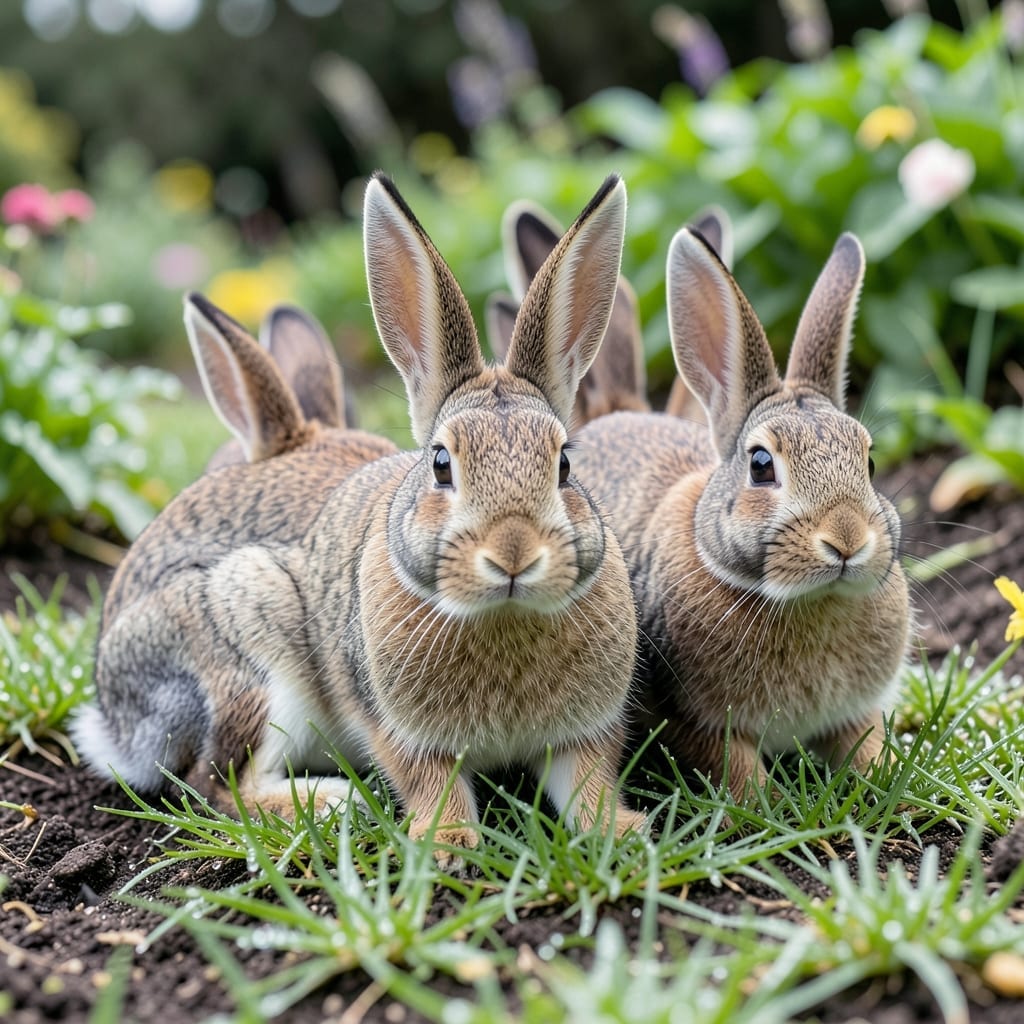
My heart sank the first time I saw those clean, angled bites on my young lettuce. Wild rabbits had discovered my garden, and they weren’t shy about helping themselves to the buffet.
Here’s the thing—you don’t need traps or poisons to reclaim your space. Simple, humane methods like fencing, plant selection, and natural deterrents can keep them at bay without harm.
I’ve tested what works: chicken wire barriers, motion-activated sprinklers, and rabbit-resistant varieties that thrive even when the bunnies are hopping around.
With a few adjustments, your garden can flourish without becoming a rabbit salad bar. Let’s protect your hard work the right way.
Wild rabbits are drawn to your yard for a few key reasons, most of which revolve around survival and comfort. Understanding these causes can help you address the issue effectively.
Rabbits are herbivores with a voracious appetite for tender plants, vegetables, and fresh grass. If your yard features a garden, flower beds, or lush lawns, it’s essentially an all-you-can-eat buffet for them. Clover, dandelions, lettuce, and carrots are particularly irresistible. Even fallen fruit or vegetable scraps in compost piles can attract them.
Your yard may offer the perfect hiding spots for rabbits to escape predators like hawks, foxes, or coyotes. Tall grass, brush piles, woodpiles, or dense shrubs provide cover, while burrows under sheds, decks, or porches create safe nesting sites. Rabbits prefer areas with soft soil for digging, making unkempt or loosely packed garden beds especially appealing.
Like all animals, rabbits need water to survive. If your yard has birdbaths, leaky hoses, or standing water from irrigation, it becomes a reliable hydration source. Even dew-covered grass in the early morning can be enough to sustain them in drier climates.
In urban or suburban areas, natural rabbit predators are often scarce. Without the threat of larger animals, rabbits feel safer venturing into open spaces like your yard. Fences, pets, or human activity may deter some predators, inadvertently making your property a low-risk zone for rabbits to thrive.
Dealing with wild rabbits in your garden doesn’t have to be a battle. With a few practical steps, you can protect your plants and encourage these furry visitors to move along. Here’s how to tackle the most common issues:
Rabbits love hiding in tall grass and dense shrubs. Remove brush piles, mow tall grass, and trim overgrown areas to eliminate their favorite hiding spots. Keep your yard tidy to make it less appealing for nesting.
If rabbits are feasting on your veggies, use chicken wire or hardware cloth to create a protective fence around garden beds. Bury the fence at least 6 inches deep to prevent digging. For individual plants, cloches or mesh covers work wonders.
Prevention tip: 💡 Plant rabbit-resistant species like marigolds, lavender, or onions near vulnerable plants to deter them naturally.
Rabbits can squeeze through small gaps. Inspect your yard for openings under decks, sheds, or fences and seal them with wire mesh or wood. Pay special attention to areas near woodpiles or compost bins, which are prime rabbit real estate.
For a non-toxic solution, spray commercial rabbit repellents (or a homemade mix of hot peppers and water) around the perimeter. Motion-activated sprinklers can also startle rabbits without harming them. Reapply repellents after rain for best results.
Prevention tip: ✨ Rotate deterrents occasionally so rabbits don’t get used to one method.
Rabbits seek shelter in woodpiles, thick mulch, or even under porches. Store firewood off the ground, keep mulch thin, and block access to crawl spaces. A less inviting yard means fewer long-term guests.
Rabbits typically stay away from marigolds, lavender, and onions. These have strong scents or tastes that deter them. Planting these around vulnerable areas can create a natural barrier.
Bury chicken wire at least 6 inches deep to prevent digging. Extend it 2 feet above ground to block jumping. Secure it tightly to posts for maximum effectiveness.
Yes! Motion-activated sprinklers startle rabbits with water bursts without harm. They’re humane and double as irrigation. Place them near entry points for best results.
A mix of hot peppers and water sprayed on plants works well. Reapply after rain. Test on a small area first to avoid plant damage.