
Beautiful Plants For Your Interior
Beautiful Plants For Your Interior
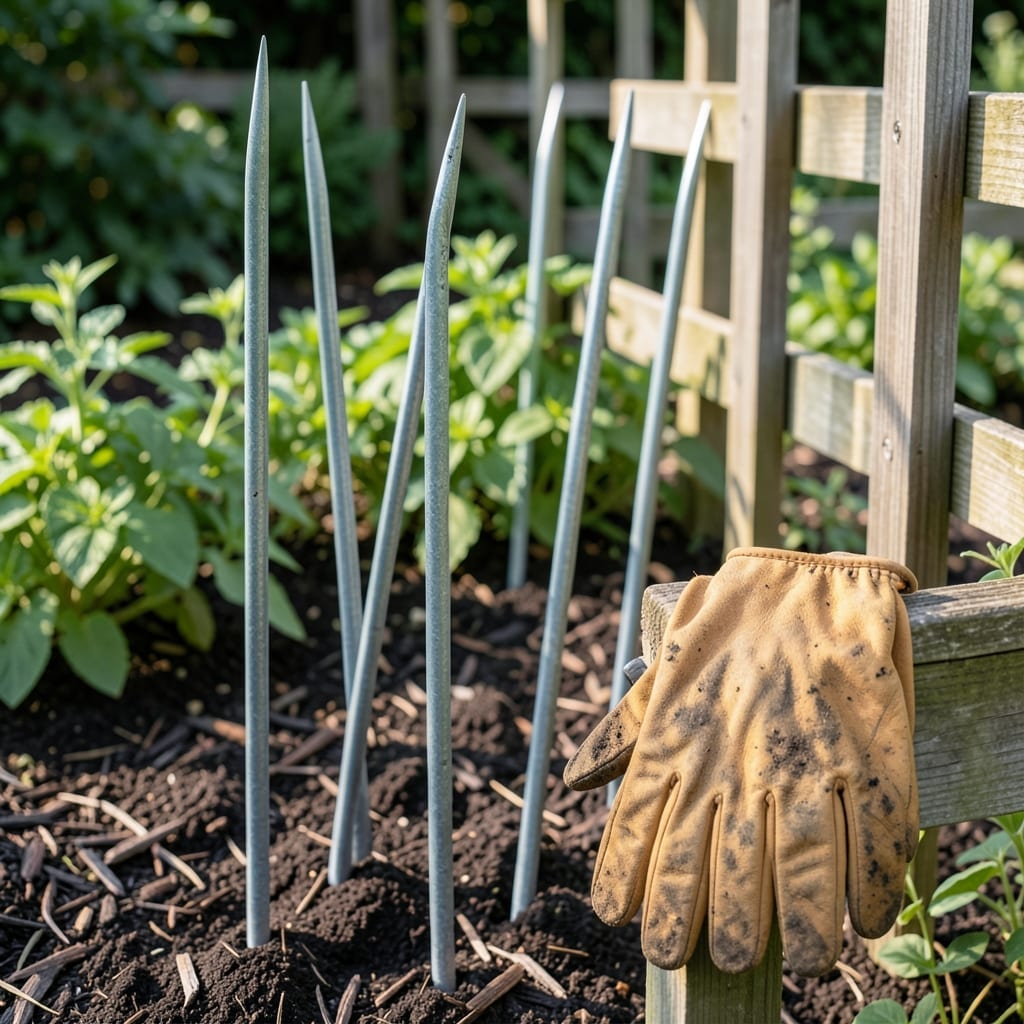
Struggling to keep your Chicken Wire 🐔 fence in place? You’re not alone. Many gardeners face the frustration of sagging or shifting barriers that fail to protect their space.
Metal stakes offer the most reliable solution for securing your fencing. They provide the strength and durability needed to withstand wind, weather, and curious critters.
Whether you’re building a garden enclosure or protecting your poultry, proper staking makes all the difference. I’ve seen firsthand how the right stakes transform a wobbly fence into a long-lasting barrier.
Let me show you how to choose and install metal stakes that will keep your Chicken Wire exactly where you want it, season after season.
When securing chicken wire for garden fencing or plant protection, the support material makes all the difference. I’ve tested various options, and metal stakes consistently rise above the rest for long-term reliability in outdoor conditions.
Unlike wooden stakes, metal won’t rot, warp, or snap under pressure from wind, animals, or heavy vines. This means your garden fence or plant trellis stays intact for years, not months.
| Material | Durability | Rust Risk | Ease of Use |
|---|---|---|---|
| Metal Stakes | ✅ High | ⚠️ Moderate (galvanized resists) | ✅ Easy install |
| Wooden Stakes | ❌ Low (rots) | ✅ None | ⚠️ Harder to drive |
| Plastic Stakes | ❌ Low (brittle) | ✅ None | ✅ Lightweight |
| Rebar | ✅ Very High | ❌ High (unless coated) | ⚠️ Requires tools |
For cost-effectiveness, metal stakes win over rebar or specialized posts. A pack of galvanized steel stakes costs about the same as wooden ones but lasts 5-10 years longer, even in harsh weather.
I’ve found galvanized coating is key—it prevents rust in damp soil, which is critical for vegetable gardens or chicken coops where moisture is constant. This small upfront investment saves you from replacement headaches down the line.
Installation ease is another major advantage. Metal stakes can be hammered directly into most soils, even rocky or compacted ones, with just a mallet or sledgehammer. No pre-drilling required!
In windy areas, metal’s rigidity keeps chicken wire taut, preventing gaps that let pests slip through. I’ve seen rabbits and raccoons exploit loose wooden fence sections, but never with properly staked metal supports.
For vertical gardening, like training cucumbers or beans, metal stakes support the weight of mature plants without bending. A 6-foot metal stake can handle 20+ pounds of vines and fruit easily.
Even in sandy or loose soil, metal stakes hold firm when driven deep enough. I recommend 18-inch stakes for most garden applications, with 24-inch for areas with heavy animal pressure. This extra length anchors the fence securely.
Finally, metal stakes are versatile—use them for fences, trellises, or even temporary plant cages. Their adaptability makes them a must-have tool for any gardener’s shed.
🌱Installing metal stakes for chicken wire is simpler than you might think. I always start by marking my fence line with string or spray paint to ensure straight placement.
You’ll need a hammer or mallet, wire cutters, and work gloves for safety. Metal stakes typically come in 3-6 foot lengths, perfect for most garden applications.
For best results, I recommend pre-drilling holes in hard soil. This prevents bending and makes installation easier. A post hole digger works great for rocky ground.
When attaching the wire, use heavy-duty staples or fencing clips every 6-8 inches. This ensures the wire stays taut and doesn’t sag over time.
For extra stability in windy areas, I like to add diagonal bracing between stakes. This simple step prevents wobbling and extends the life of your fence.