
Beautiful Plants For Your Interior
Beautiful Plants For Your Interior
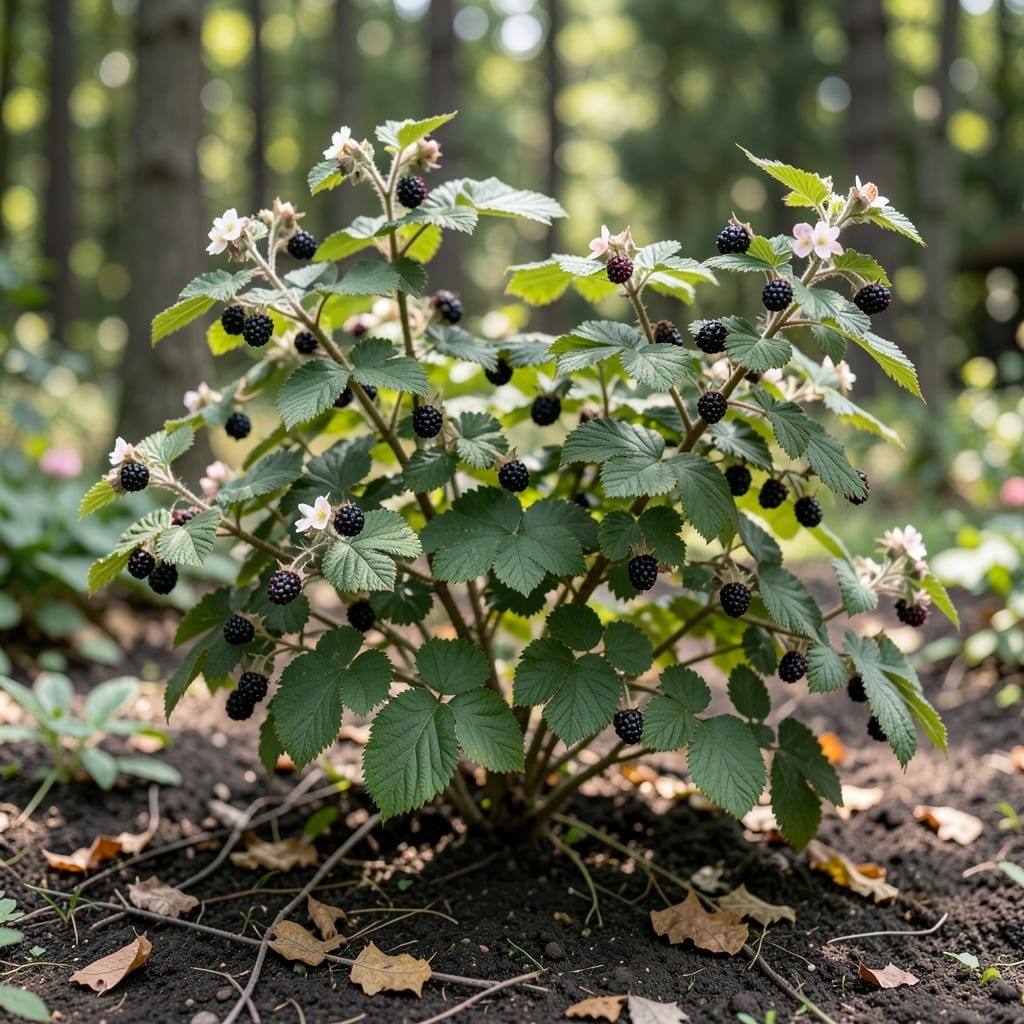
Spotting wild blackberries starts with recognizing their signature arching canes and clusters of five leaflets. I spent my first foraging trip confusing them with raspberries—the key difference is the stem color and fruit core.
These plants thrive in sunny edges, fence lines, and disturbed areas where soil gets full sun for most of the day. The thorns are sharp, the leaves have serrated edges, and the white flowers appear in late spring before the fruit.
What you’re after are deep purple-black berries that pull free from their core when ripe. Unripe ones stay red and taste bitter. Always check for thorns before reaching in—those canes don’t mess around.
Works for forest margins, old fields, and even urban vacant lots. Here’s how to identify them with confidence.
Wild blackberries can be tricky to identify correctly, and several factors contribute to this confusion. Understanding these causes helps prevent mistakes when foraging.
Many plants mimic wild blackberries, such as raspberries or dewberries. These species share traits like thorny stems and compound leaves, but key differences (e.g., fruit color, stem texture) often go unnoticed.
Wild blackberries thrive in disturbed areas like roadsides, forests, and fields—the same habitats as poisonous lookalikes (e.g., bittersweet nightshade). Overlapping ecosystems increase the risk of misidentification.
Leaves, flowers, and fruit change appearance across seasons. Early-stage blackberries may lack distinctive features, while immature berries resemble unripe toxic berries (e.g., pokeberries).
Foragers often overlook critical identifiers like leaf serration, thorn shape, or flower structure. Without these details, even experienced pickers may confuse them with harmful plants.
Misidentifying wild blackberries can lead to picking the wrong fruit or missing the best harvest. Here’s how to solve common identification challenges with practical fixes and prevention tips.
Fix: Compare leaf shape and growth habit. Wild blackberries have serrated, compound leaves (3-5 leaflets) and thorny canes. Avoid plants with smooth leaves or no thorns, like raspberries or dewberries. Use a field guide or app for side-by-side comparisons.
Prevention: Study regional flora—some areas have toxic lookalikes (e.g., black nightshade). When in doubt, skip it!
Fix: Wild blackberries ripen from red to deep black and detach easily when ready. Gently tug the fruit—if it resists, it’s not ripe. Overripe berries may be mushy or fermented; harvest just as they turn fully black.
Prevention: Check patches weekly in late summer. Early morning is the best time to pick firm, fresh berries.
Fix: Avoid areas sprayed with herbicides or near roadsides (pollution risk). Stick to sunny edges of forests or fields where wild blackberries thrive naturally. Wash berries thoroughly before eating.
Prevention: Scout locations in advance. Ask local foragers or park rangers about safe spots.
💡 Pro Tip: Bring a magnifying glass to inspect thorns and leaf veins—wild blackberries have fine hairs on stems and leaf undersides!
Look at the stems and fruit core. Wild blackberries have thorny canes and the fruit stays attached to its core when picked, unlike raspberries which pull free cleanly.
Late summer is prime time. Berries ripen from red to deep black between July and September, depending on your region. Check sunny forest edges and fence lines.
Yes! Avoid bittersweet nightshade and pokeberries. These have smooth stems and different leaf patterns. When unsure, skip it—safety first.
Look for serrated leaves with 5 leaflets and thorny, arching canes. White flowers in spring also indicate wild blackberry plants.