
Beautiful Plants For Your Interior
Beautiful Plants For Your Interior
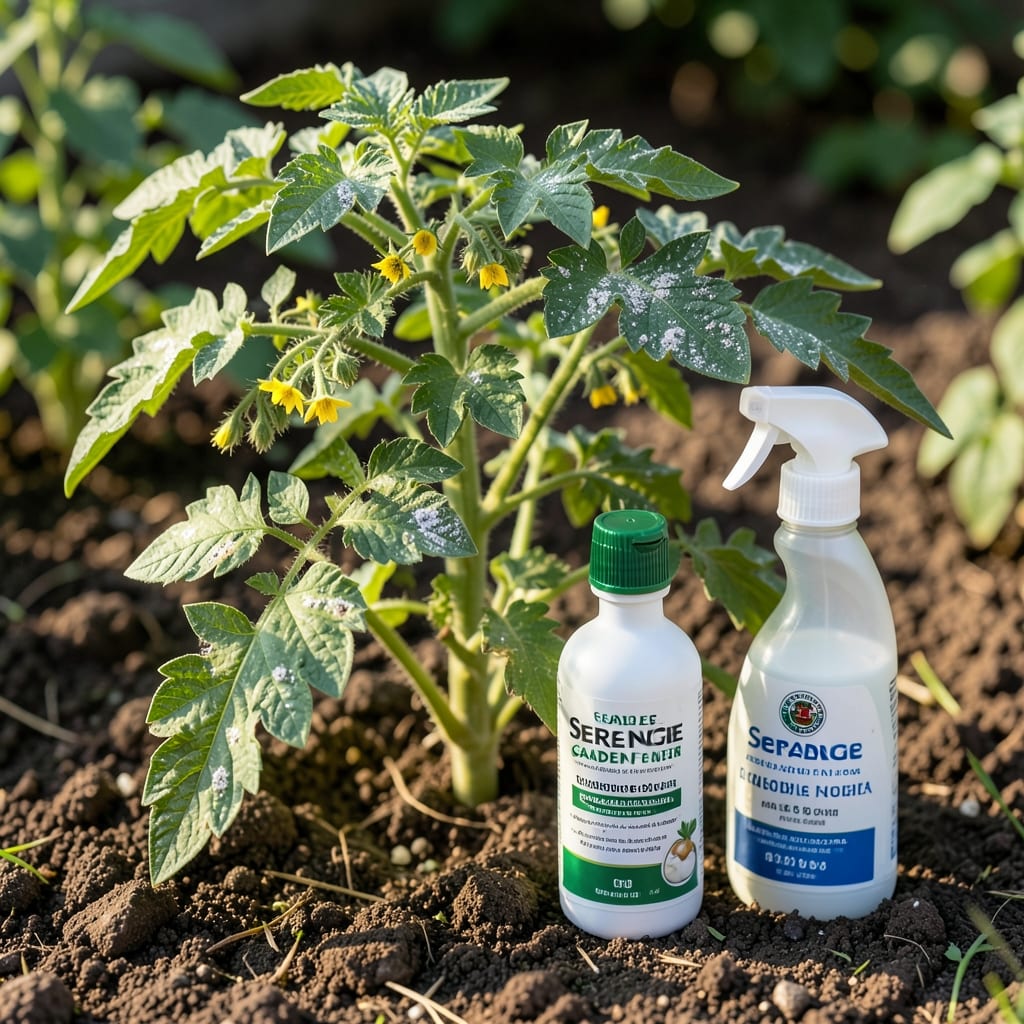
The manufacturer cited escalating production costs as a primary factor, particularly the expense of sourcing and culturing the specific Bacillus subtilis strain QST 713 that made Serenade effective. Maintaining consistent quality across batches became increasingly difficult as raw material prices climbed by nearly 25% between 2018-2022. 🔥
Regulatory hurdles also played a significant role. The EPA’s evolving standards for microbial pesticides required extensive retesting of Serenade’s formulation. Meeting these new guidelines would have demanded a complete reformulation, which the company determined wasn’t economically viable for a product with declining market share.
Market dynamics shifted dramatically during Serenade’s lifecycle. Newer biofungicides entered the market with broader spectra, targeting 15-20 pathogens compared to Serenade’s 8-10. Growers increasingly favored these multi-target solutions that reduced application frequency and labor costs. 💫
Patent expiration compounded these challenges. As competing manufacturers developed their own Bacillus-based products with improved efficacy, Serenade lost its competitive edge. The original patent’s 20-year term had run its course, opening the door for superior alternatives.
Sales data revealed the trend clearly: Serenade’s market share dropped from 12% of the biofungicide segment in 2015 to just 3% by 2023. This decline made continued production unsustainable despite the product’s loyal user base among organic growers. ✨
Double Nickel 55 and Actinovate are top alternatives. They offer broader disease control and similar organic certification, making them popular choices among former Serenade users.
Yes, EPA’s updated standards for microbial pesticides required costly retesting. The manufacturer found reformulation too expensive for a product with shrinking market share.
Sourcing the specific Bacillus subtilis strain became 25% more expensive between 2018-2022, making production unsustainable at previous price points.
You might find remaining inventory at some retailers, but check expiration dates carefully. Discontinued products often have limited shelf life, especially biological fungicides.