
Beautiful Plants For Your Interior
Beautiful Plants For Your Interior
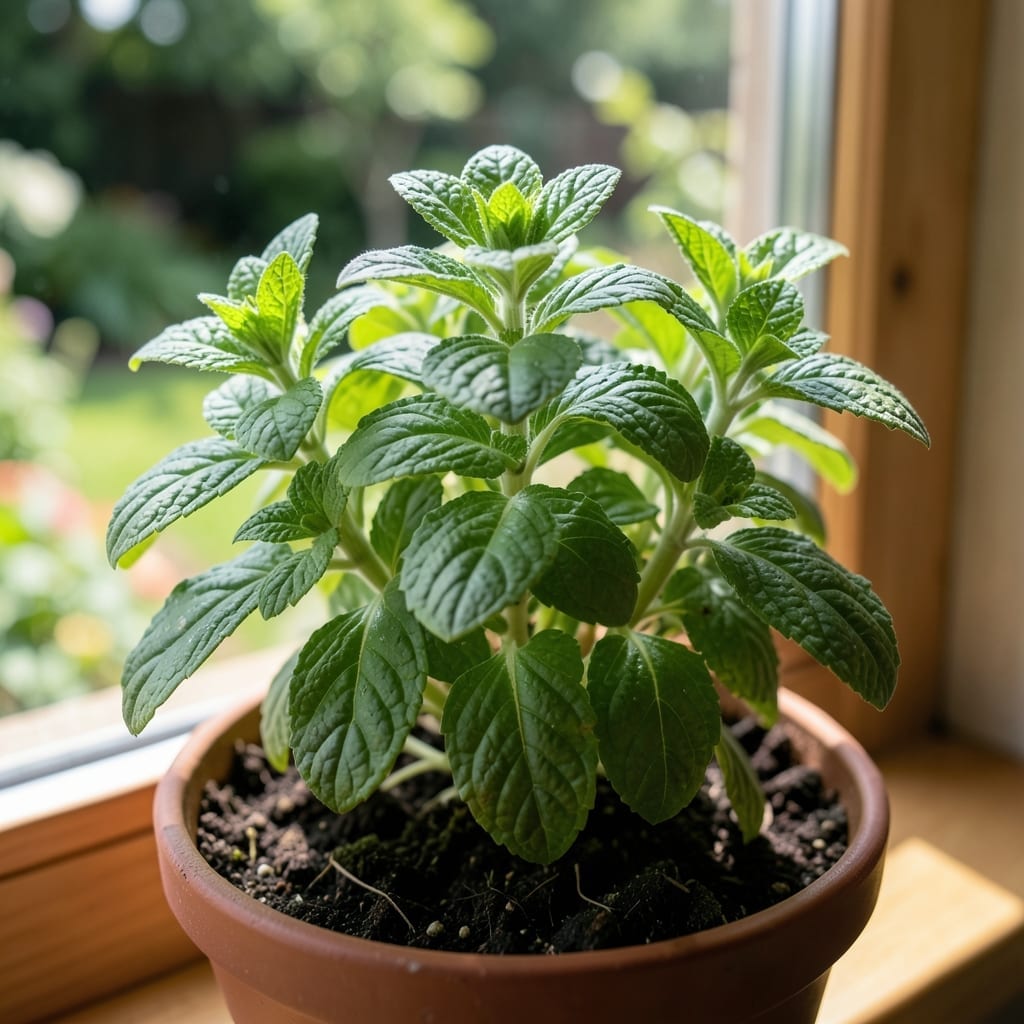
My mint plant looked thriving yesterday—today it’s drooping. Honestly, I’ve been there too many times to count, watching vibrant green leaves turn crispy or yellow overnight.
The usual suspects are often simple: soggy soil from overwatering, thirsty roots from neglect, or a sneaky pest feasting on stems. Most problems show up in the leaves first—wilting, spotted, or blackened—before the whole plant gives up.
Good news? Mint bounces back fast with the right fix. Adjust water, check light, or trim damaged parts, and you’ll see fresh growth in days. Prevention is easier than revival, but both start with knowing what to look for.
We’ll cover the signs, solutions, and how to keep this from happening again.
Mint plants are hardy, but even they can decline if their basic needs aren’t met. Here’s why your mint might be struggling:
Mint thrives in consistently moist soil, but soggy conditions suffocate its roots. Pythium or Phytophthora fungi thrive in waterlogged soil, causing root rot. If the leaves turn yellow or black and the soil smells foul, overwatering is likely the culprit. Ensure your pot has drainage holes and use well-draining soil to prevent this.
Mint needs 4–6 hours of sunlight daily. Without enough light, it becomes leggy, weak, and prone to pests. If your plant is stretching toward the light or has pale, sparse leaves, it’s starving for photons. Move it to a sunnier spot or supplement with grow lights.
Mint prefers 65–75°F (18–24°C) during the day. Frost can kill it instantly, while heatwaves (above 90°F/32°C) cause wilting and leaf scorch. If temperatures drop below 50°F (10°C), growth slows. Protect outdoor plants with mulch or move potted mint indoors during extreme weather.
Spider mites, aphids, and whiteflies love mint. These pests suck sap from leaves, causing stunted growth, curled leaves, or sticky residue (honeydew). Check the undersides of leaves for tiny webs or bugs. Treat with neem oil or insecticidal soap to evict these freeloaders.
Yellowing leaves (especially older ones) often signal a nitrogen deficiency, while purple stems or leaf edges hint at phosphorus or potassium shortages. Mint isn’t a heavy feeder, but if it’s been in the same soil for years, a balanced, water-soluble fertilizer (10-10-10) can revive it.
Bringing your mint plant back to life is often simpler than you think. Below are targeted fixes for the most common issues, along with prevention tips to keep your plant thriving long-term.
If your mint’s leaves are yellowing or the soil feels soggy, stop watering immediately and let the top 1-2 inches of soil dry out. Repot the plant in well-draining soil and a container with drainage holes. Prevention tip: 💡 Water only when the topsoil is dry to the touch—mint prefers moist but not waterlogged conditions.
Leggy stems or pale leaves? Your mint likely needs more light. Move it to a spot with 4–6 hours of direct sunlight daily, or supplement with a grow light. Prevention tip: ✨ Rotate the pot weekly for even growth and avoid deep shade.
Check the undersides of leaves for aphids, spider mites, or whiteflies. Spray with a mixture of water and mild soap or introduce beneficial insects like ladybugs. Prevention tip: 🎯 Keep the area clean and avoid over-fertilizing, which attracts pests.
Slow growth or weak stems may signal a lack of nutrients. Use a balanced, water-soluble fertilizer (10-10-10) diluted to half strength every 4–6 weeks. Prevention tip: 🌡️ Refresh the soil annually to replenish nutrients naturally.
Mint wilts in extreme heat or cold. Keep it in a stable environment (60–75°F) and shield it from drafts or frost. Prevention tip: 🔥 Bring potted mint indoors during temperature swings.
Once mint leaves turn yellow, they won’t recover. Trim them to redirect energy to healthy growth.
Water when the top 1-2 inches of soil feel dry. In hot weather, this may mean watering daily.
Curling leaves often mean underwatering or pest stress. Check soil moisture and inspect for aphids or mites.
If caught early, yes. Remove affected roots, repot in fresh soil, and reduce watering for 1-2 weeks.