
Beautiful Plants For Your Interior
Beautiful Plants For Your Interior
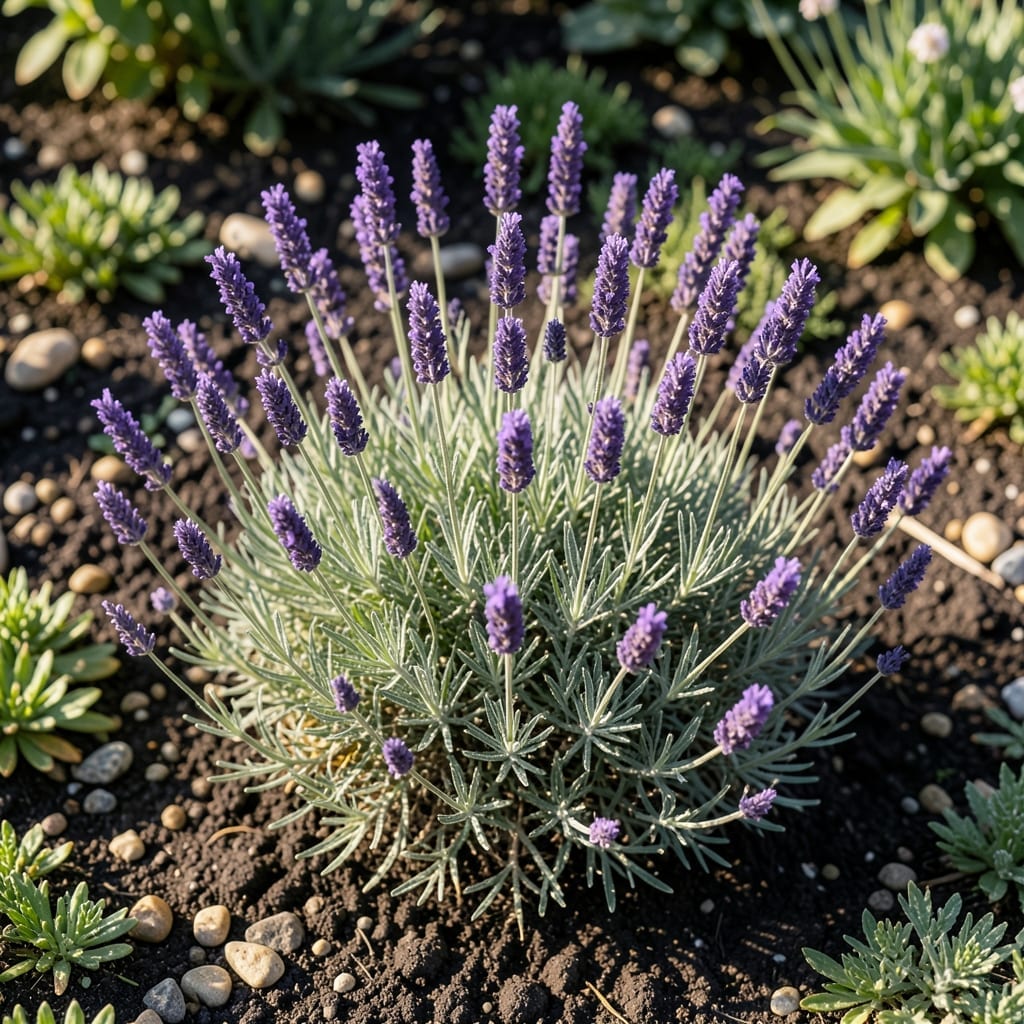
That sad, wilting lavender breaks my heart every time. I’ve lost count of how many I’ve revived after noticing the same telltale droop—always a sign something’s off with water or roots.
Between you and me, overwatering is the usual suspect. Lavender hates wet feet, and even well-meaning gardeners can drown it with kindness. Poor drainage and soggy soil are silent killers.
Here’s the thing—catch it early and you can turn it around in days. The fix often starts with letting the soil dry out completely before adjusting your routine.
We’ve saved dozens with simple tweaks to watering, sunlight, and soil. Your plant’s not gone yet; it’s just asking for a little tough love.
Lavender is a hardy plant, but even the toughest varieties can start to droop when their needs aren’t met. Here’s why it happens:
Lavender thrives in dry, well-drained soil. When roots sit in soggy soil, they suffocate and rot, cutting off the plant’s ability to absorb water and nutrients. Fungal diseases like Phytophthora often follow, accelerating the decline. If your lavender’s leaves are yellowing and drooping, overwatering is likely the culprit.
As a Mediterranean native, lavender requires full sun (6+ hours daily). Insufficient light weakens the plant, leading to leggy growth and drooping stems. Without enough photosynthesis, the plant can’t produce the energy it needs to stay upright.
Lavender prefers warm, dry climates. High humidity or sudden temperature drops (below 20°F/-7°C) can stress the plant, causing wilting. Cold drafts or frost damage may also lead to drooping if the plant isn’t properly acclimated.
Sap-sucking pests like aphids, spider mites, or whiteflies drain the plant’s fluids, leading to weakened stems and drooping foliage. Check the undersides of leaves for tiny insects or fine webbing—a telltale sign of an infestation.
If grown in containers, lavender can become root-bound, restricting water and nutrient uptake. Similarly, heavy clay or nutrient-rich soil (ironically) can smother roots, as lavender prefers lean, sandy, or rocky soil with minimal organic matter.
Drooping lavender can usually be revived with a few targeted fixes. Below are the most common causes and their solutions, along with prevention tips to keep your plant thriving.
If the soil is soggy or waterlogged, stop watering immediately and let the soil dry out. Repot the plant in well-draining soil with perlite or sand to improve drainage. Ensure the pot has drainage holes. Prevention tip: Water only when the top 1-2 inches of soil are dry.
Lavender needs full sun (6+ hours daily). Move potted plants to a sunnier spot or trim nearby foliage blocking light. For garden plants, consider relocating them if the area is too shady. Prevention tip: Rotate pots weekly for even sun exposure.
Trim black or mushy roots with sterilized scissors and repot in fresh, dry soil. Apply a fungicide if fungal growth is present. Prevention tip: Avoid overhead watering and ensure good air circulation around the plant.
Lavender prefers warm, dry conditions. If wilting due to cold, move pots indoors or cover plants with frost cloth. In high humidity, improve airflow with a small fan. Prevention tip: Mulch lightly to regulate soil temperature.
Use a low-nitrogen, phosphorus-rich fertilizer (like a 5-10-5 blend) sparingly in spring. Avoid over-fertilizing, as lavender thrives in lean soil. Prevention tip: Test soil annually to monitor nutrient levels.
With these adjustments, your lavender should perk up in 1-2 weeks! 🌿
Water only when the top 1-2 inches of soil are completely dry. Overwatering is the most common cause of drooping, so err on the side of too little rather than too much.
Yes, if caught early. Trim affected roots and repot in fresh, well-draining soil. Avoid watering for 3-5 days to let roots recover.
Some drooping is normal in cold weather, but severe wilting suggests stress. Protect plants with mulch or move pots indoors if temperatures drop below 20°F.