
Beautiful Plants For Your Interior
Beautiful Plants For Your Interior
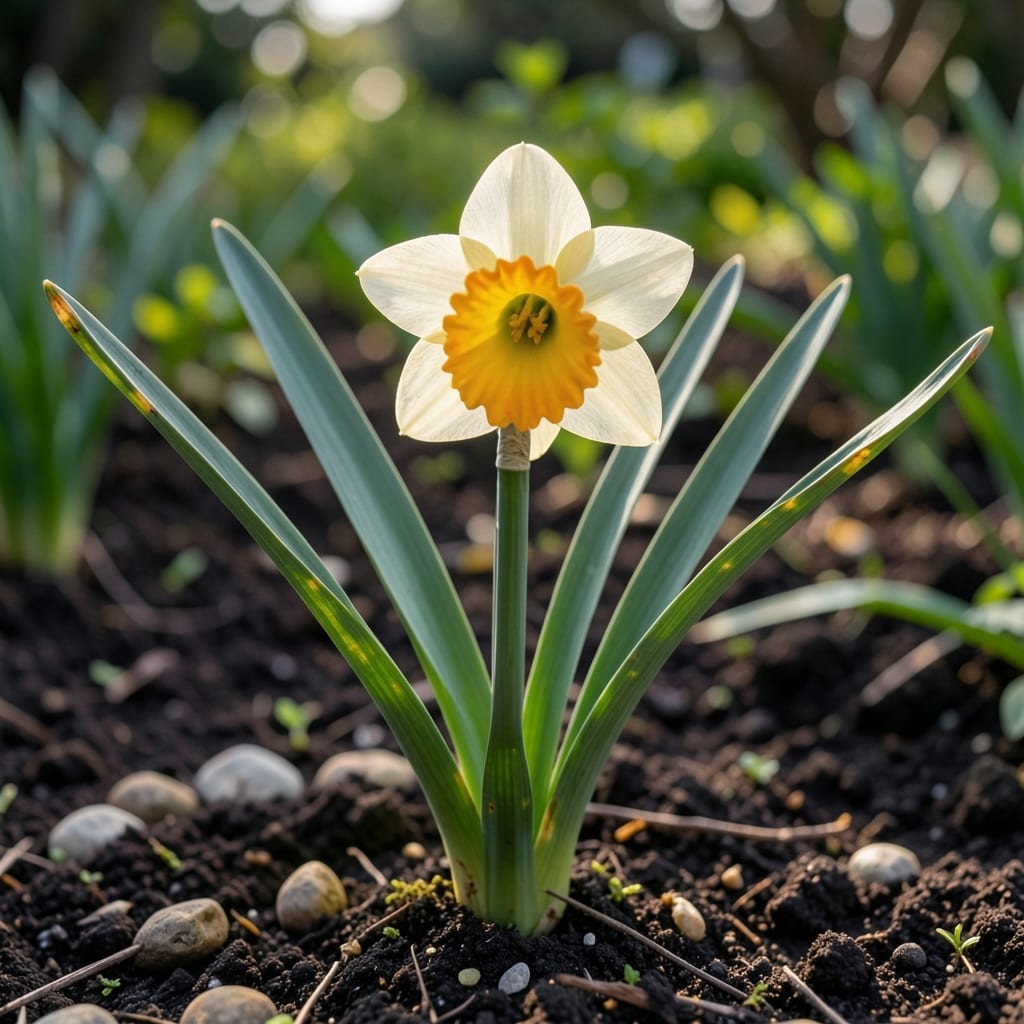
Nothing stings like spring arriving with green leaves but no daffodil blooms. I’ve been there—staring at leafy clumps wondering what went wrong.
Turns out, the usual suspects are blind planting (too shallow or too deep), not enough sun, or bulbs that are simply exhausted. These are all easy fixes once you know what to look for.
With the right adjustments this fall, those same plants will reward you with cheerful yellow flowers next spring. The solution often takes just a few minutes and zero special tools.
Works for new plantings and established clumps alike. Here’s how to diagnose and correct the issue.
Daffodils may fail to flower for several reasons, often tied to their growth conditions or care. Here’s a breakdown of the most common causes:
Daffodils need full sun to partial shade to produce blooms. If planted in deep shade, they may grow foliage but skip flowering. Solution: Relocate bulbs to a sunnier spot with at least 6 hours of direct sunlight daily.
Bulbs require phosphorus-rich fertilizer (e.g., 5-10-5) to fuel flower development. Nitrogen-heavy feeds promote leafy growth but can inhibit blooms. Fix: Apply a balanced bulb fertilizer in early spring and again after flowering.
Newly planted daffodils often need 1–2 years to establish roots and store energy before flowering. If bulbs are too small or weak, they’ll prioritize foliage. Tip: Plant high-quality, mature bulbs in fall for spring blooms.
Daffodils require a cold dormancy period (12–14 weeks below 45°F/7°C) to trigger blooming. Warm winters or premature indoor heating can disrupt this cycle. Action: Ensure bulbs experience winter chill, or pre-chill potted bulbs for 8–10 weeks before forcing indoors.
Over time, bulbs multiply and compete for resources, leading to blindness (no flowers). Remedy: Dig up clumps every 3–4 years, separate offsets, and replant the healthiest bulbs.
If your daffodils aren’t blooming, don’t lose hope! With a few adjustments, you can encourage vibrant flowers next season. Here’s how to tackle the most common issues:
When daffodils multiply, they can become too crowded, leading to fewer or no flowers. Fix: Dig up clumps every 3–5 years after foliage dies back. Separate the bulbs, replant the healthiest ones 4–6 inches deep and 3–6 inches apart. Prevention tip: 💡 Mark their location with stakes to avoid disturbing them while they’re dormant.
Daffodils need at least 6 hours of direct sunlight daily. Fix: If they’re in shade, transplant bulbs to a sunnier spot in fall. Trim back nearby shrubs or trees casting shadows. Prevention tip: 🎯 Observe sunlight patterns in your garden before planting new bulbs.
Lack of nutrients or inconsistent moisture can stunt flowering. Fix: After blooming, feed with a balanced, low-nitrogen fertilizer (e.g., 5-10-10). Water deeply during growth but reduce watering once foliage yellows. Prevention tip: ✨ Mulch with compost in fall to retain moisture and add organic matter.
Shallow bulbs may not survive winter or flower poorly. Fix: Dig up bulbs and replant them at least 6 inches deep (deeper in colder climates). Prevention tip: 🌡️ Use a bulb planter to ensure consistent depth.
Cutting back leaves too soon stops bulbs from storing energy for next year’s blooms. Fix: Wait until foliage turns yellow and wilts naturally (about 6 weeks post-bloom). Prevention tip: ⏰ If the dying leaves are unsightly, plant daffodils behind perennials to hide them.
Newly planted bulbs usually need 1–2 years to flower. They focus on root growth first. Patience pays off with vibrant blooms!
Yes! Daffodils need at least 6 hours of sunlight daily. Deep shade causes leafy growth but no flowers. Move them to a sunnier spot.
Overcrowding depletes nutrients. Dig up clumps every 3–4 years, separate offsets, and replant the healthiest bulbs.
Apply phosphorus-rich fertilizer in early spring and after flowering. Avoid high-nitrogen feeds, which promote leaves over flowers.