
Beautiful Plants For Your Interior
Beautiful Plants For Your Interior
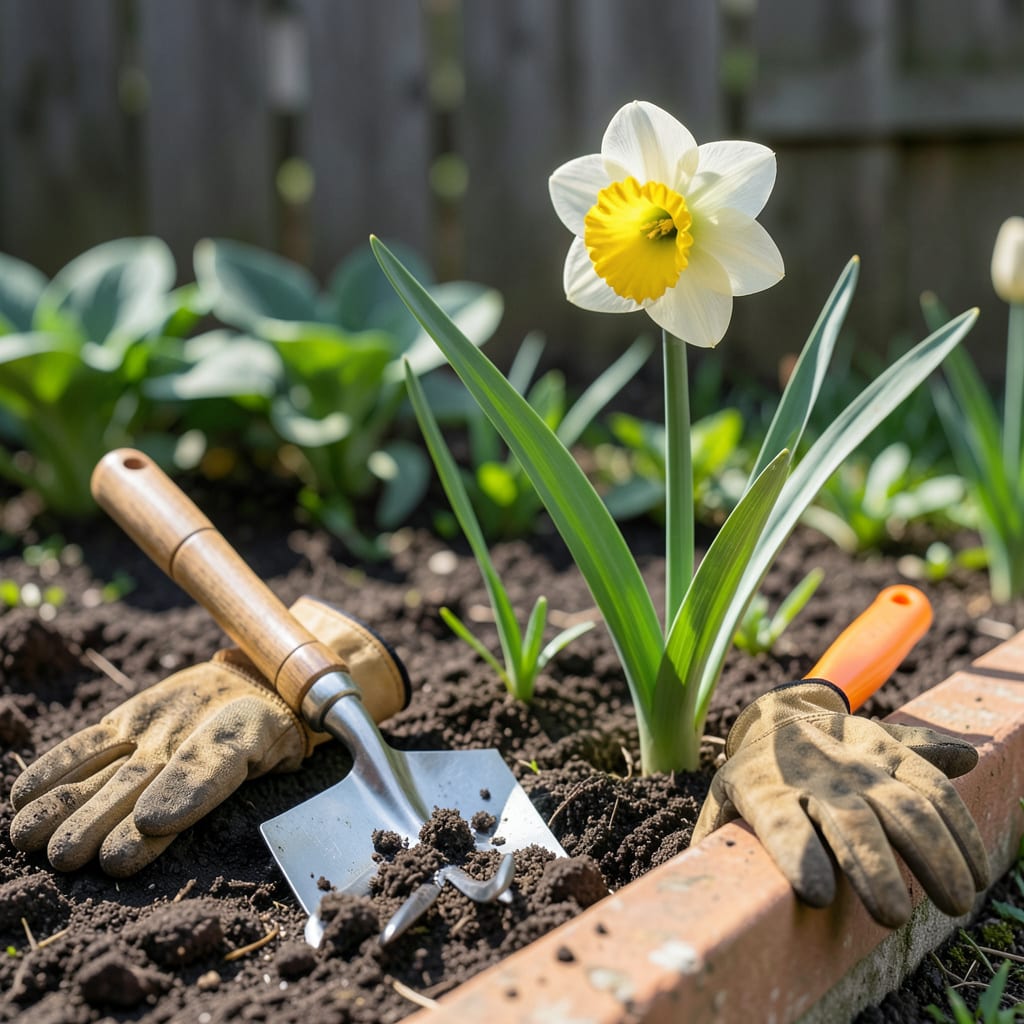
There’s nothing quite like the sight of cheerful Daffodils popping up in spring—but in Georgia, timing your planting wrong could leave you with a bare patch instead of vibrant blooms. The secret? A precise fall window that varies from the mountains to the coast.
I’ve helped countless Georgia gardeners nail this, and here’s what works: plant too early, and bulbs may sprout prematurely; plant too late, and roots won’t establish. Let’s break down the exact months for your zone—plus the soil prep trick that makes all the difference.
If you want those cheerful golden daffodils to greet you next spring, timing your planting is everything. Georgia’s diverse climate zones (7a–9a) mean the ideal window varies slightly, but fall is always the star season. I’ve found that September through December works best, depending on where you live.
Why fall? Daffodil bulbs need 4–6 weeks of cool soil to establish roots before winter. Plant too early, and warm soil may trigger premature sprouting. Plant too late, and roots won’t develop enough. The sweet spot is when soil temps drop below 60°F—usually after our first cool snap.
*Soil temp should be below 60°F for optimal root growth. Use a soil thermometer for accuracy!
For Atlanta gardeners, I recommend aiming for mid-October. This gives bulbs enough time to root before the first frost, which typically hits around November 15. If you’re in Savannah, you’ve got more wiggle room—wait until late November to avoid early sprouting in our milder winters.
Soil temperature is your best guide. I use a simple soil thermometer (available at any garden center) to check depths of 6 inches. Once it reads 55–60°F, it’s go time. Pro tip: Plant after a good rain—moist soil is easier to work with, and bulbs settle in better.
Georgia’s clay-heavy soil can be a challenge, but daffodils thrive if you amend it. Mix in 2–3 inches of compost or sand to improve drainage. Bulbs hate soggy feet! If you’re in a low-lying area, consider raised beds or mounds to prevent waterlogging during our winter rains.
Don’t forget about microclimates. A south-facing slope in Blue Ridge might warm up faster than a shady spot in MacOn. Observe your garden: Areas that stay cooler longer are perfect for daffodils. I’ve had great success planting near deciduous trees—they get winter sun but summer shade.
If you miss the ideal window, don’t panic. You can plant daffodils as late as early January in Zone 9a, but mulch heavily with 3–4 inches of straw to protect against late freezes. Just know that later plantings may bloom a bit later or produce smaller flowers the first year.
For naturalizing daffodils (letting them multiply over years), choose varieties like ‘Tête-à-Tête’ or ‘Ice Follies’. These perform exceptionally well in Georgia’s climate. Plant them in drifts of 10+ bulbs for a stunning spring show. I’ve seen patches in old Atlanta neighborhoods that have bloomed for decades with minimal care!
Remember, daffodils are deer-resistant—a huge plus in Georgia’s rural areas. But they’re not drought-tolerant. If we have a dry fall, water newly planted bulbs once a week until the ground freezes. This encourages root growth without promoting rot.
Finally, mark your calendar for next fall as soon as your daffodils fade this spring. I keep a garden journal with notes like “Plant ‘Carlton’ daffodils by Oct 20” to stay on track. Trust me, nothing beats that first pop of yellow or white in February after a gray winter!
Now that you know when to plant, let’s talk about how to do it right in Georgia’s unique soil. Our clay-heavy ground can be tricky, but with a few simple steps, you’ll set your daffodils up for years of spring blooms. I’ve planted hundreds of bulbs, and these techniques work every time.
Start by choosing the perfect spot. Daffodils thrive in full sun to partial shade—aim for at least 6 hours of sunlight daily. In Georgia, a south-facing location is ideal, but avoid low areas where water pools. Our winters can be wet, and bulbs will rot in soggy soil.
For Georgia’s clay soil, I swear by this trick: After digging, toss a handful of coarse sand into each hole. It creates tiny drainage channels that prevent bulbs from sitting in water. If you’re in Savannah’s sandy soil, plant bulbs 1 inch deeper to protect against drying out.
Spacing matters for long-term success. Plant bulbs in groups of 5–7 for a natural look, but leave 6 inches between clusters. This gives roots room to expand and prevents overcrowding. I like to arrange them in informal drifts—it mimics how they grow in the wild and looks stunning in spring.
After planting, resist the urge to water daily. Daffodils need moist but not soggy soil. In Georgia’s fall, natural rainfall is usually enough. Only water if we hit a dry spell—give bulbs 1 inch of water per week until the ground freezes. Use a rain gauge to track moisture accurately.
Here’s a Georgia-specific tip: If you’re in Zone 9a (like Valdosta), add a thin layer of pine straw over your mulch. It acidifies the soil slightly—perfect for daffodils—and deters weeds. In colder zones like Blue Ridge (7a), opt for shredded leaves instead. They provide extra insulation against hard freezes.
Finally, mark your planting spots with biodegradable flags or sticks. It’s easy to forget where bulbs are, and you don’t want to accidentally dig them up later! I use popsicle sticks labeled with the variety name—simple and effective. Come spring, you’ll be rewarded with vibrant blooms that announce winter’s end in true Georgia fashion.
Even experienced gardeners can stumble when planting daffodils in Georgia’s unique climate. I’ve seen first-year failures turn into decades-long blooms with just a few adjustments. Let’s tackle the top 5 mistakes I encounter most often—so you can avoid them!
First up: planting too late in warmer zones. In South Georgia (Zones 8a–9a), waiting until December might seem safe, but bulbs need 6 weeks of cool soil to root properly. If you plant after Christmas, you risk weak blooms or no flowers at all next spring.
Another big issue? Choosing the wrong varieties. Not all daffodils thrive in Georgia’s heat. I’ve had best luck with ‘Carlton’, ‘Ice Follies’, and ‘Tête-à-Tête’—they naturalize beautifully and handle our humid summers. Avoid delicate heirloom varieties unless you’re in the mountains.
Georgia gardeners often forget about summer bulb care. After blooms fade, bulbs need 6 weeks of foliage growth to store energy. If you braid or cut leaves too early, you’ll get fewer flowers next year. I mark my calendar with a “No Trim Until June” reminder for my Savannah garden.
Here’s a zone-specific tip: In North Georgia (7a–7b), late freezes can damage emerging shoots. If you see green tips in February, cover them with frost cloth during cold snaps. Down south, drought stress is the bigger risk—water bulbs weekly if winter rains skip your area.
Finally, don’t overlook pest pressure. While daffodils are deer-resistant, Georgia’s voles and squirrels love bulbs. I protect new plantings with hardware cloth buried 6 inches deep. A sprinkle of red pepper flakes in the hole also deters diggers without harming bulbs.
Remember, even “failed” daffodils often bounce back. If your bulbs didn’t bloom this year, check for crowding (dig up and divide clusters every 3–4 years) or nutrient deficiencies (work in bone meal next fall). Georgia’s long growing season means you’ve got time to correct mistakes!
Planting too early in warm soil can trigger premature sprouting. Daffodils need 6 weeks of cool soil below 60°F to establish roots properly. Early planting risks weak growth or frost damage to tender shoots.
Spring planting isn’t ideal, but you can try with extra care. Bulbs need 12-16 weeks of cooling to bloom properly. If planting in spring, refrigerate bulbs for 8-10 weeks first to mimic winter conditions.
Dig holes 6 inches deep in most areas, but go 8 inches in sandy coastal regions. For clay soil, add 1-2 inches of sand to each hole to improve drainage and prevent bulb rot.
Use 2-3 inches of straw or pine bark for insulation. In Zone 9a, add pine straw to slightly acidify soil. In colder zones, shredded leaves provide extra frost protection for emerging shoots.
Common causes include cutting foliage too early or overcrowded bulbs. Wait until leaves turn yellow (about 6 weeks post-bloom) before trimming. Divide clumps every 3-4 years for best results.
