
Beautiful Plants For Your Interior
Beautiful Plants For Your Interior
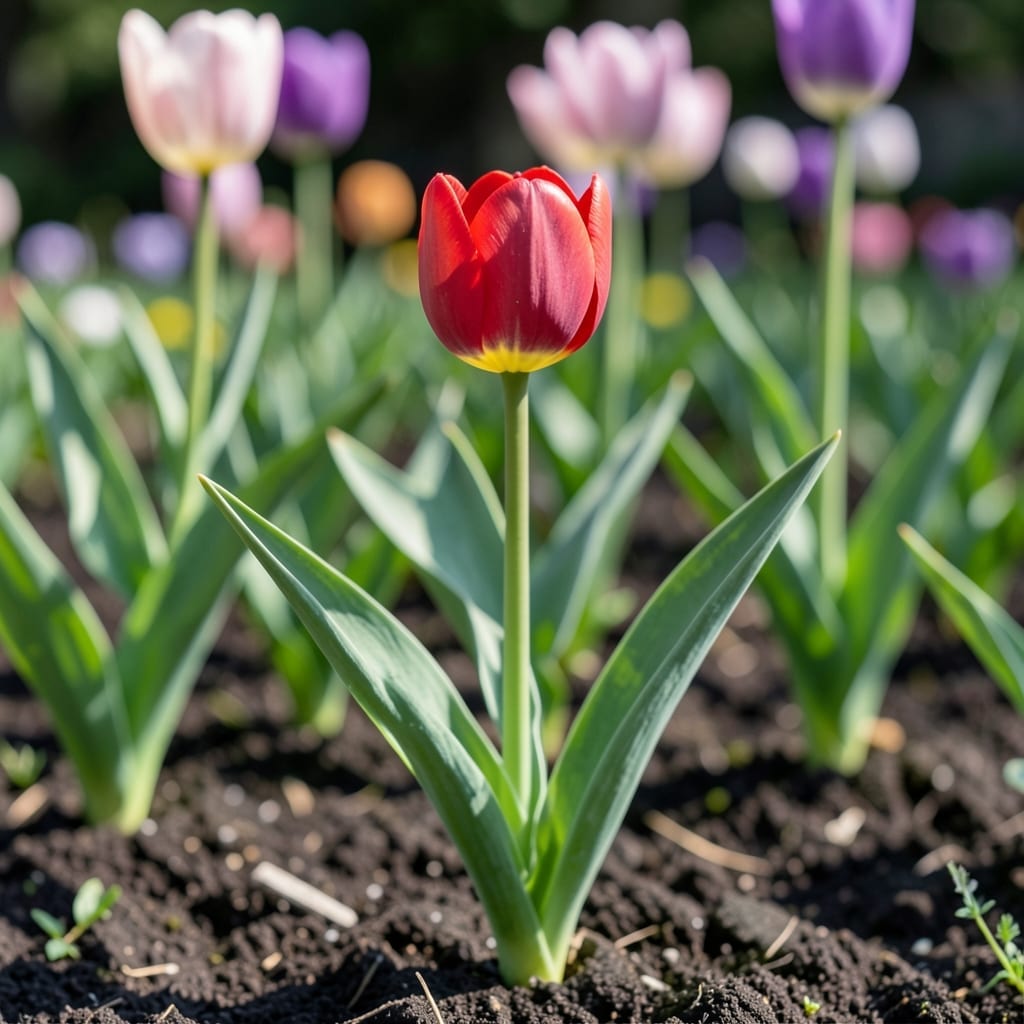
Nothing ruins spring joy faster than seeing your tulips flop over. 🌱 I’ve watched my own droop dramatically after a heavy rain, then perk back up within 24 hours with the right care.
Most cases come down to simple fixes: thirsty roots, too much shade, or stems that need support. The good news? These aren’t death sentences. A little water, a stake, or moving them to morning sun often does the trick.
You’ll spot the difference fast—healthy stems stand tall and vibrant green, while stressed ones bend at the neck. The fix usually takes less than a week to show results.
Prevention is easier than revival. Plant in well-draining soil, space bulbs properly, and water deeply but less often. Your tulips will thank you with strong, upright blooms.
Tulips droop due to a mix of environmental stress and biological processes. Here’s why it happens, broken down by cause:
When tulips are exposed to high temperatures or inconsistent watering, their cells lose turgor pressure—the internal push that keeps stems rigid. Without adequate moisture, the stem’s vascular system fails to transport water efficiently, causing wilting. Overwatering can also suffocate roots, leading to the same droopy effect.
Tulips are highly sensitive to ethylene gas, a natural plant hormone released by ripening fruits (like apples or bananas) or decaying plant matter. Even low concentrations trigger accelerated aging in tulips, weakening cell walls and causing stems to bend. Keeping them away from fruit bowls or compost areas prevents this.
A lack of potassium or calcium in the soil weakens stem structure. Potassium regulates water balance within cells, while calcium strengthens cell walls. Without these, tulips can’t maintain upright posture. A balanced bulb fertilizer applied at planting helps avoid this.
After blooming, tulips naturally redirect energy from stems to bulb storage for next year’s growth. This programmed decline causes drooping as the stem tissues break down. While unavoidable, deadheading spent blooms can prolong stem vitality slightly.
Reviving drooping tulips is often simpler than it seems. Here’s how to tackle each common cause with actionable fixes:
If the soil feels dry 1-2 inches down, give your tulips a thorough drink. Water slowly at the base until the soil is moist but not soggy. Prevention tip: 💡 Check soil moisture weekly—tulips prefer consistently damp (not wet) conditions.
Stop watering immediately and let the soil dry slightly. If the bulbs are in a pot, ensure it has drainage holes. For garden beds, mix in compost or sand to loosen heavy soil. Prevention tip: 🌱 Plant tulips in raised beds or well-draining soil to avoid waterlogging.
If wilting happens in hot afternoon sun, move potted tulips to a shadier spot or use a sheer cloth to filter light. Garden tulips benefit from mulch to retain moisture. Prevention tip: 🌿 Plant in areas with morning sun and afternoon shade in warmer climates.
Cover drooping tulips with frost cloth or a light blanket overnight if temperatures dip. Avoid plastic, which can trap cold. Prevention tip: ❄️ Plant bulbs after the first frost in colder zones to avoid early sprouting.
Work a balanced, low-nitrogen fertilizer (like 5-10-10) into the soil around the base. Avoid over-fertilizing, which can burn roots. Prevention tip: 🌱 Feed tulips once in early spring and again after flowering to support bulb health.
Inspect bulbs and stems for signs of pests (aphids, narcissus fly) or rot. Remove affected parts and treat with neem oil or a fungicide. Prevention tip: ✨ Rotate planting locations yearly to reduce disease buildup.
Quick fix: For cut tulips, trim stems at an angle and place in cold water with a penny (copper helps!) to revive them in hours.
Yes! Many tulips perk up within 24-48 hours once conditions improve. Ensure they get consistent water and shade from harsh sun. If the stem is still green, revival is likely with proper care.
Trim stems at a 45-degree angle and place in cold water with a copper penny. Change the water daily and keep them away from direct heat or ripening fruit.
This is natural as the plant redirects energy to the bulb for next year. While unavoidable, removing spent blooms can slightly extend stem strength.
No—overwatering, poor drainage, or even ethylene gas from nearby fruit can cause similar symptoms. Check soil moisture and environment before assuming thirst.