
Beautiful Plants For Your Interior
Beautiful Plants For Your Interior
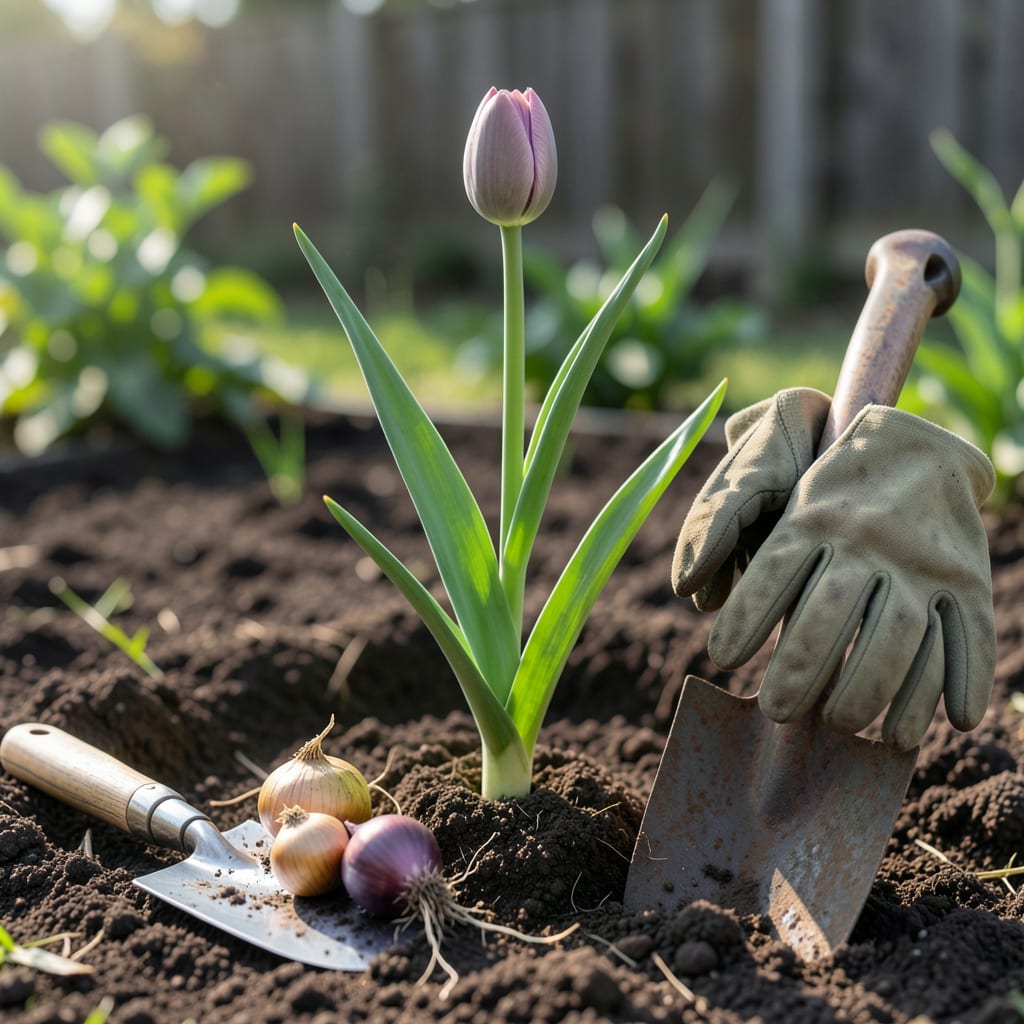
Texas gardeners know the struggle: those stunning spring tulip displays seem impossible in our unpredictable climate. But here’s the secret—it’s all about nailing the planting window before our mild winters trick you.
I’ve tested countless methods across Texas’s diverse zones, and the results might surprise you. Whether you’re in the Panhandle or the Gulf Coast, we’ll break down exactly when to get those bulbs in the ground—and why October through December makes all the difference for those show-stopping 🌷 blooms.
If you’ve ever wondered why your Texas tulips fizzle out before spring, the answer often lies in when you planted them. Unlike cooler climates where tulips thrive naturally, Texas gardeners must work with the state’s diverse USDA zones (6a-9b) and unpredictable winters. The golden window? October through December, but timing varies dramatically from Panhandle to Gulf Coast.
In North Texas (Zones 6-7), aim for late October to mid-November—just before the first hard freeze. Meanwhile, South Texas gardeners (Zones 8-9) can push planting to early December, as milder winters allow bulbs to chill naturally. The key? Soil temperatures below 60°F to trigger root growth without premature sprouting.
Adjust for urban heat islands (e.g., Dallas, Houston)—plant 1-2 weeks later than rural areas.
For Central Texas (Austin/San Antonio), I recommend splitting the difference: plant by Thanksgiving. This gives bulbs enough chilling hours before spring but avoids summer-like temperatures that can rot them. Pro tip: Use a soil thermometer to confirm temps are below 60°F at 6-inch depth—where bulbs should be planted.
Urban gardeners face extra challenges. Cities like Houston or Dallas create “heat islands” that delay soil cooling. If you’re in a concrete jungle, consider pre-chilling bulbs (more on that later) or planting in raised beds, which cool faster than in-ground soil. Mulch with 2-3 inches of shredded bark to insulate against temperature swings.
What if you miss the window? Don’t panic! Pre-chilled bulbs (available at Texas nurseries like North Haven Gardens or The Natural Gardener) can be planted as late as January in Zone 8-9. These bulbs have already logged their required 12-16 weeks of cold, so they’ll bloom on schedule despite warm winters.
For West Texas (Zones 6-7), where winters are colder but drier, focus on watering after planting. Give bulbs a deep soak to settle soil, then add 2 inches of mulch to retain moisture. Avoid overhead watering—drip irrigation prevents rot in arid climates. And if you’re in the Panhandle, watch for late freezes in March; a sudden cold snap can damage emerging shoots.
Coastal gardeners (Zones 9a-9b) have it toughest. With winters rarely dipping below 50°F, natural chilling is unreliable. Your best bet? Stick to heat-tolerant varieties like ‘Fosteriana’ or ‘Darwin Hybrid’, and pre-chill all bulbs for 8-10 weeks. Plant in December, then cross your fingers for a rare cold spell!
No matter your region, avoid planting tulips where they’ve grown before—rotating beds prevents disease buildup. And if squirrels are a problem (looking at you, Dallas suburbs), try planting bulbs in wire cages or layering with gravel to deter digging. A little extra effort now means bigger, bolder blooms come spring.
Finally, mark your calendar for fall bulb sales at local nurseries. Texas favorites like Calloway’s and Moon Valley Nurseries stock pre-chilled bulbs starting in September. Buying early ensures you get the best selection—and gives you time to prep beds before planting season hits.
Texas gardeners in Zones 7b-9b face a unique challenge: our winters often aren’t cold enough to naturally chill tulip bulbs. Without 12-16 weeks of 40-45°F temps, bulbs won’t bloom properly. That’s where pre-chilling comes in—a game-changer for reliable spring displays in warmer regions.
The process is simple but precise. Start by selecting firm, disease-free bulbs from reputable Texas nurseries like North Haven Gardens or The Bulb Hunter. Avoid big-box stores, where bulbs may have been stored improperly. You’ll need a refrigerator crisper drawer (not the freezer!) set to 40-45°F—the sweet spot for chilling.
⚠️ Skip the garage—temps fluctuate too much for reliable chilling!
I’ve found that ‘Darwin Hybrid’ and ‘Fosteriana’ tulips respond best to pre-chilling in Texas. These varieties are naturally more heat-tolerant, but chilling ensures they’ll bloom 2-3 weeks earlier than non-chilled bulbs. For extra insurance, soak bulbs in 1:10 bleach-water solution for 30 minutes before chilling to kill any fungus.
Timing your chill period is crucial. Start October 1 for December planting, or November 1 if you’re in South Texas (Zone 9). Use a fridge thermometer to monitor temps—aim for consistent 40-45°F. If your fridge runs colder, place bulbs near the door where it’s slightly warmer.
Avoid these common mistakes: Don’t chill bulbs in sealed containers (they’ll rot), and never freeze them (this kills the embryo). Also, skip the “quick chill” myth—6 weeks isn’t enough for Texas. I learned this the hard way when my ‘Apeldoorn’ tulips produced only foliage after a rushed 6-week chill.
For gardeners without fridge space, try a cool basement or wine fridge set to 45°F. If all else fails, buy pre-chilled bulbs from Texas suppliers like Brent and Becky’s Bulbs—they ship bulbs already chilled for Southern climates. Just plant them within 2 days of arrival for best results.
After planting, water deeply and mulch with 2-3 inches of shredded bark to insulate. In Zone 9, where winters are mildest, consider planting chilled bulbs in partial shade to delay blooming until cooler spring temps arrive. With proper pre-chilling, you’ll get bigger, brighter blooms that last longer in Texas heat.
Not all tulips can handle Texas heat, but these heat-tolerant varieties bring reliable color year after year. I’ve tested dozens in my own garden, and these cultivars consistently outperform others in our Zones 6-9 climates. The secret? Choosing bulbs bred for Southern resilience and sourcing them from Texas suppliers.
For North Texas (Zones 6-7), I swear by ‘Darwin Hybrid’ tulips like ‘Apeldoorn’ and ‘Beauty of Apeldoorn’. These giants reach 22-28 inches tall and return for 3-5 years with proper care. Their late-season blooms (April-May) avoid early Texas heat waves. Pair them with ‘Fosteriana’ tulips (e.g., ‘Red Emperor’) for early color.
💡 Pro Tip: Look for “Texas Tough” labels at local nurseries!
In Central/South Texas (Zones 8-9), focus on ‘Greiglii’ hybrids like ‘Toronto’ or ‘Zombi’. These compact tulips (12-16″ tall) thrive in containers and handle our humid springs better than taller varieties. For cutting gardens, try ‘Triumph’ tulips—‘Negrita’ and ‘White Dream’ hold up well in Austin’s heat when pre-chilled.
Where to buy matters just as much as what to buy. Skip big-box stores and order from Texas specialty nurseries like North Haven Gardens (Dallas) or The Bulb Hunter (Brenham). They sell pre-chilled bulbs ready for our climate. Online, Brent and Becky’s Bulbs offers Texas-approved varieties with clear chilling instructions.
Avoid discount store bulbs—they’re often not pre-chilled and may carry diseases. I once bought a bag of ‘unknown’ tulips from a warehouse store, and not a single one bloomed! Invest in certified virus-free bulbs from reputable sources. For organic gardeners, seek out ‘La Belle Époque’ tulips from Old House Gardens—they’re heirloom varieties adapted to Southern gardens.
Plant these heat-lovers in well-draining soil amended with compost and sand. In clay-heavy areas (hello, DFW!), mix in expanded shale to improve drainage. Water deeply after planting, then mulch with shredded cedar to deter pests. With the right varieties and care, you’ll get spring blooms that rival Dutch gardens—Texas-style! 🌷
Planting too early (before October) can cause bulbs to sprout prematurely during warm spells. These early shoots are vulnerable to winter freezes, which can damage or kill the developing plant before spring blooms.
In Zones 8-9, skipping pre-chilling often results in weak or no blooms. Natural winter chilling is unreliable in warmer areas. For best results, always pre-chill bulbs for 8-10 weeks at 40-45°F before planting.
Plant bulbs 6-8 inches deep in well-draining soil. In clay-heavy areas (like DFW), add 2-3 inches of sand or expanded shale to improve drainage. Deeper planting helps insulate bulbs from Texas’s temperature swings.
For Zones 8b-9b (Houston, Corpus Christi), plant by December 15 at the latest. Use pre-chilled bulbs if planting in January. Later planting risks poor root development before spring growth begins.
Many tulips act as annuals in Texas heat. For returning blooms, choose perennializing varieties like ‘Darwin Hybrid’ or ‘Fosteriana’. After blooming, let foliage die back naturally to nourish the bulb for next year.
