
Beautiful Plants For Your Interior
Beautiful Plants For Your Interior
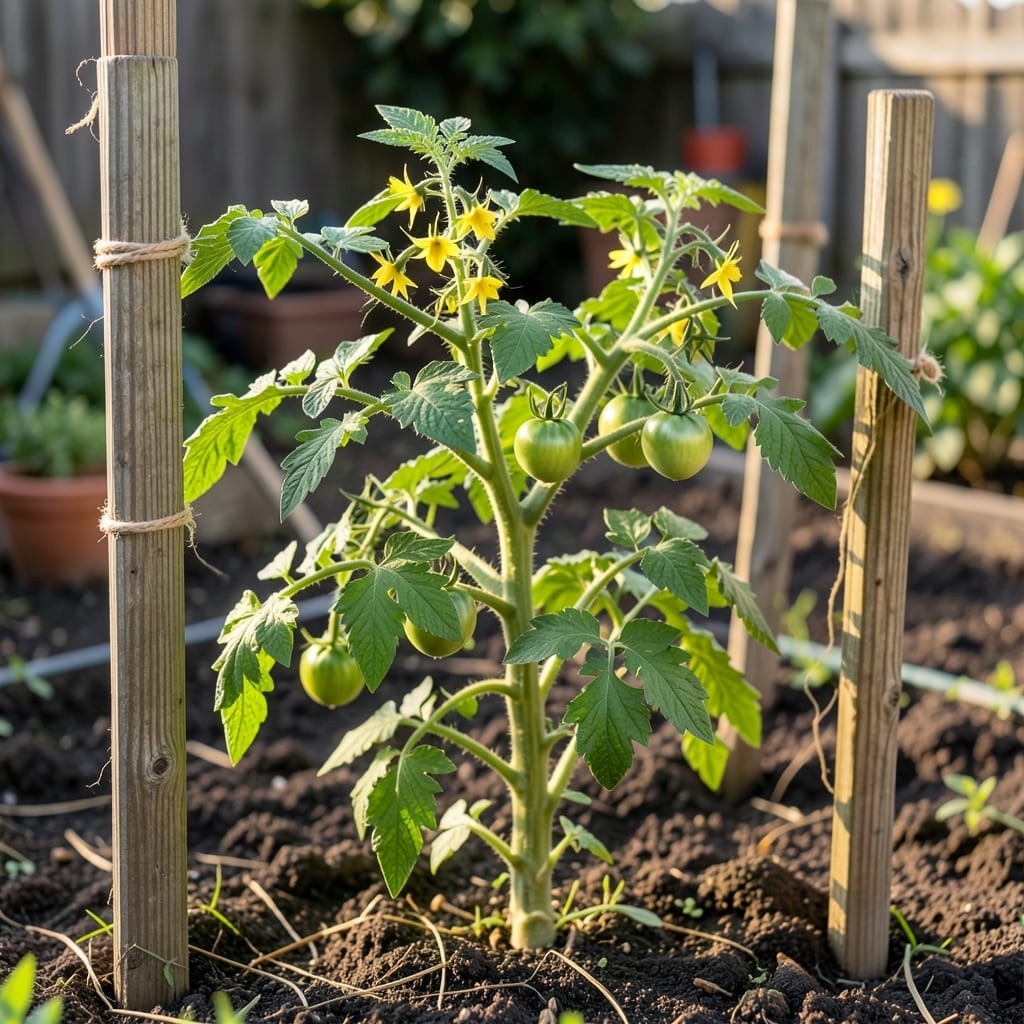
Green tomatoes in late summer can drive a gardener crazy. I’ve stood in my garden staring at stubborn fruit, wondering if I did something wrong or if nature just needs more time.
The truth is, most green tomatoes just aren’t ready yet. Sometimes they lack sunlight, warmth, or the right nutrients. Other times, the variety itself takes longer to ripen than you might expect.
With a few simple adjustments, you can coax them into turning that perfect vibrant red. More sun, consistent water, and a little patience usually do the trick.
If they still refuse to change, it might be time to check for pests or diseases that could be slowing things down. Here’s how to troubleshoot.
Green tomatoes lingering on the vine can be frustrating, but the causes are often tied to environmental or biological factors. Here’s a breakdown of the most common reasons your tomatoes aren’t turning red (or yellow, orange, or purple, depending on the variety).
Tomatoes ripen best at 70–75°F (21–24°C). When temperatures drop below 50°F (10°C) or soar above 85°F (29°C), the ripening process slows or stops. Cool nights can halt lycopene and carotene production—the pigments responsible for color change. If your region has a short growing season or sudden cold snaps, the fruit may stay green longer.
Tomatoes need 6–8 hours of direct sunlight daily to produce chlorophyll (green pigment) and later transition to ripening pigments. Shade from overgrown foliage, nearby trees, or poor garden placement can starve the fruit of the energy required to mature. Prune excess leaves to improve light penetration, especially for lower clusters.
Too much nitrogen encourages lush, leafy growth at the expense of fruit development. A high-nitrogen fertilizer can delay ripening by diverting the plant’s energy toward stems and leaves. Switch to a balanced or phosphorus-rich fertilizer (e.g., 5-10-10) to support flowering and fruiting. Conversely, a deficiency in potassium or phosphorus can also stall ripening.
Some heirloom or specialty varieties (like Green Zebra or Evergreen) are naturally green when ripe. Check your seed packet or plant tag to confirm the expected color at maturity. Additionally, larger beefsteak tomatoes often take longer to ripen than cherry or paste varieties.
Incomplete pollination can lead to uneven or delayed ripening. If flowers weren’t properly pollinated (due to lack of bees, excessive rain, or high humidity), the fruit may develop unevenly or remain partially green. Hand-pollinating or planting pollinator-friendly flowers nearby can help.
If your tomatoes are stubbornly staying green, don’t worry—there are simple fixes for each common cause. Here’s how to turn things around and get those vibrant red (or yellow, orange, or purple!) tomatoes you’ve been waiting for.
Tomatoes need 6-8 hours of direct sunlight daily. If your plants are in the shade, move potted tomatoes to a sunnier spot. For in-ground plants, trim nearby branches or tall plants casting shadows. Prevention tip: 💡 Plant tomatoes in the sunniest part of your garden from the start.
Some varieties take 60-85 days to mature. Check your seed packet for the expected timeline. If you’re in a rush, harvest green tomatoes and ripen them indoors in a paper bag with a banana or apple—the ethylene gas speeds up the process. Prevention tip: 🎯 Choose early-maturing varieties if your growing season is short.
Tomatoes stop ripening below 50°F (10°C) or above 85°F (29°C). Use row covers or cloches to protect plants from cold snaps. In extreme heat, provide afternoon shade with shade cloth. Prevention tip: 🌡️ Plant tomatoes after the last frost and monitor weather forecasts.
Inconsistent watering causes stress, which halts ripening. Water deeply 1-2 times per week (more in heat waves) and keep soil evenly moist. Mulch around plants to retain moisture. Prevention tip: ✨ Use a drip irrigation system for consistent watering.
Too much nitrogen leads to lush foliage but few fruits. Switch to a low-nitrogen, high-phosphorus fertilizer (like 5-10-10) to encourage ripening. Yellowing leaves may signal magnesium deficiency—try Epsom salt spray. Prevention tip: 🔥 Test soil before planting and amend as needed.
Pests like aphids or diseases such as blight stress the plant, delaying ripening. Remove affected leaves, use neem oil for pests, and ensure good airflow. Prevention tip: 🛡️ Rotate crops yearly and space plants properly to reduce disease risk.
Most varieties need 60-85 days from planting to maturity. Check your seed packet for the exact timeline. Smaller types like cherries ripen faster than beefsteaks.
Yes! Place them in a paper bag with a banana or apple. The ethylene gas speeds up ripening. Store at room temperature, not in the fridge.
Certain heirloom varieties like Green Zebra are naturally green when mature. Always check your plant’s variety tag for expected colors.
Below 50°F (10°C), the ripening process halts. Use row covers to protect plants from cold snaps.