
Beautiful Plants For Your Interior
Beautiful Plants For Your Interior
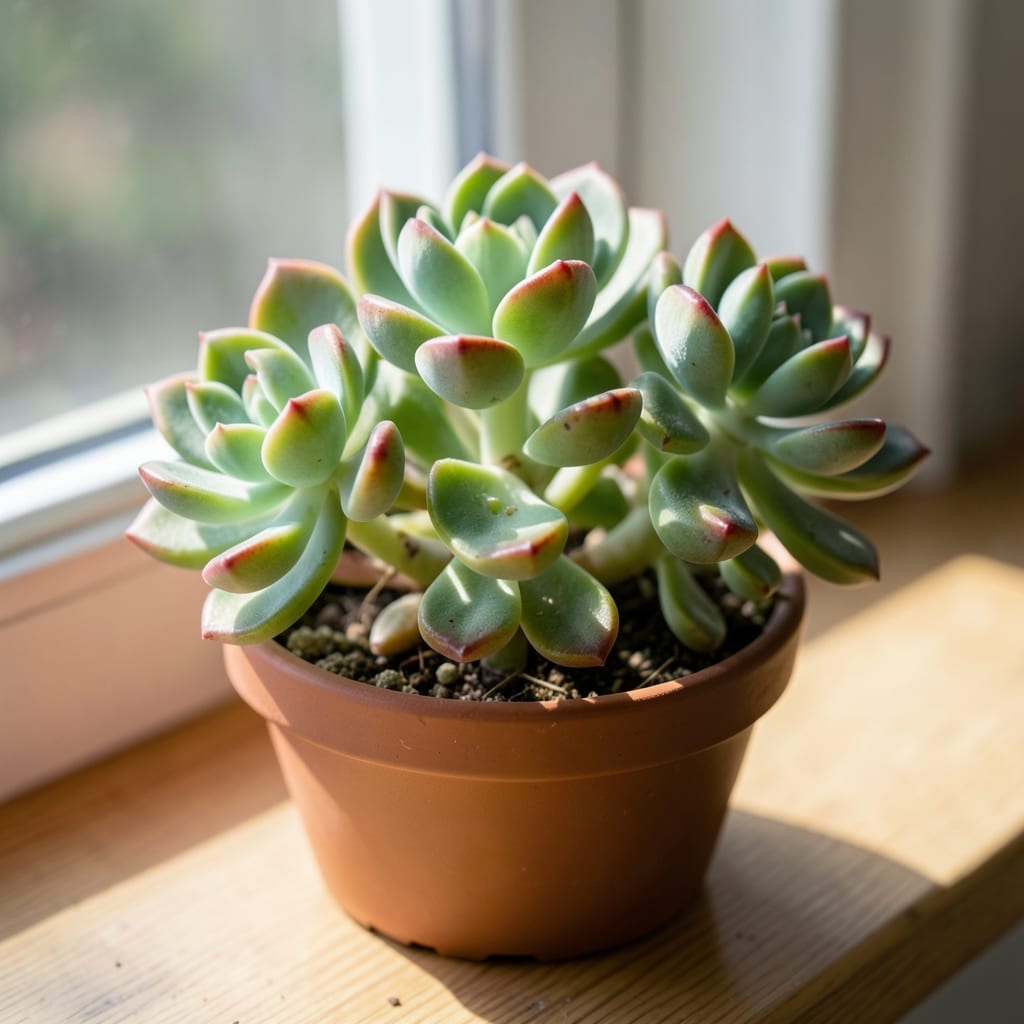
My succulents turned red last summer, and I panicked. 🌱 Turns out, it’s not always bad news—sometimes it’s just their way of showing off.
That red hue often means sun stress, which can be beautiful or dangerous depending on the plant. Too much direct sunlight can scorch leaves, but some varieties develop stunning colors in response to bright, indirect light.
Temperature shifts and watering habits play a role too. A little stress brings out vivid tones, but push it too far and you’ll see damage instead of color. Balance is everything.
I learned to watch for crispy edges or fading—signs it’s time to adjust. Most of the time, those reds and purples are just nature’s artwork.
Succulents turning red isn’t just a pretty sight—it’s a fascinating survival tactic! 🌵 Here’s why it happens, broken down by cause:
When succulents get intense sunlight, especially UV rays, they produce anthocyanins—pigments that act like sunscreen. These compounds shield the plant’s cells from damage while giving leaves a red, purple, or pink hue. Think of it as a tan for your plants! Action: If the color is even and vibrant, it’s healthy. If it’s paired with scorched spots, reduce direct sun exposure.
Cold snaps or heatwaves can trigger stress responses. In cooler temps (just above freezing), succulents ramp up anthocyanin production to protect their tissues. Meanwhile, extreme heat can cause carotenoid pigments to emerge, adding reddish tones. Action: Move potted succulents indoors if temps drop below 40°F (4°C) or spike above 90°F (32°C).
Drought stress pushes succulents to conserve energy. Red pigmentation can signal the plant is slowing photosynthesis to survive. While some species (like Sedum or Echeveria) naturally redden when thirsty, others may be begging for a drink. Action: Check soil moisture—water only when the top 1-2 inches are bone-dry.
Some succulents, like Crassula ovata (Jade Plant), turn reddish in winter or during their active growth phase. This is genetic! If the color is uniform and the plant looks healthy, it’s likely just showing off its seasonal wardrobe. Action: No intervention needed—enjoy the show!
If your succulents are turning red, don’t panic! Here’s how to address the most common causes and restore their vibrant green—while keeping their natural charm.
If sun stress is the culprit, move your succulents to a spot with bright, indirect light. East-facing windows are ideal. For outdoor plants, provide dappled shade during peak afternoon hours. Gradually reintroduce sunlight to avoid shocking them.
Prevention tip: 💡 Rotate your succulents weekly so all sides get even light, preventing uneven color changes.
Succulents prefer temperatures between 60–80°F (15–27°C). If they’re exposed to extreme heat or cold, move them indoors or to a sheltered area. Avoid placing them near drafty windows or heating vents.
Prevention tip: 🌡️ Use a simple thermometer to monitor their environment, especially in seasonal transitions.
Check the soil: if it’s bone-dry, give your succulents a deep watering (until water drains from the pot). If it’s soggy, hold off on watering and ensure the pot has drainage holes. Water only when the top 1–2 inches of soil are dry.
Prevention tip: ✨ Use a well-draining soil mix (like cactus or succulent soil) to prevent root rot and water stress.
If your succulents lack nutrients, use a diluted, balanced fertilizer (half-strength) once every 4–6 weeks during the growing season (spring and summer). Avoid fertilizing in winter when they’re dormant.
Prevention tip: 🎯 Repot your succulents every 2–3 years with fresh soil to replenish nutrients naturally.
In many cases, a red tint is harmless or even desirable! But if you prefer classic green, these tweaks will help your succulents thrive—happy and healthy.
Not always! It often signals healthy stress from sunlight or temperature changes. Many collectors love the vibrant hues.
Check for brown, crispy patches or faded colors. Healthy sun stress brings even red tones without damage.
Echeveria, Sedum, and Jade plants often develop red tips or edges, especially in cooler months.
Yes! Some species redden when thirsty as a survival response. Check soil dryness 1-2 inches deep before watering.