
Beautiful Plants For Your Interior
Beautiful Plants For Your Interior
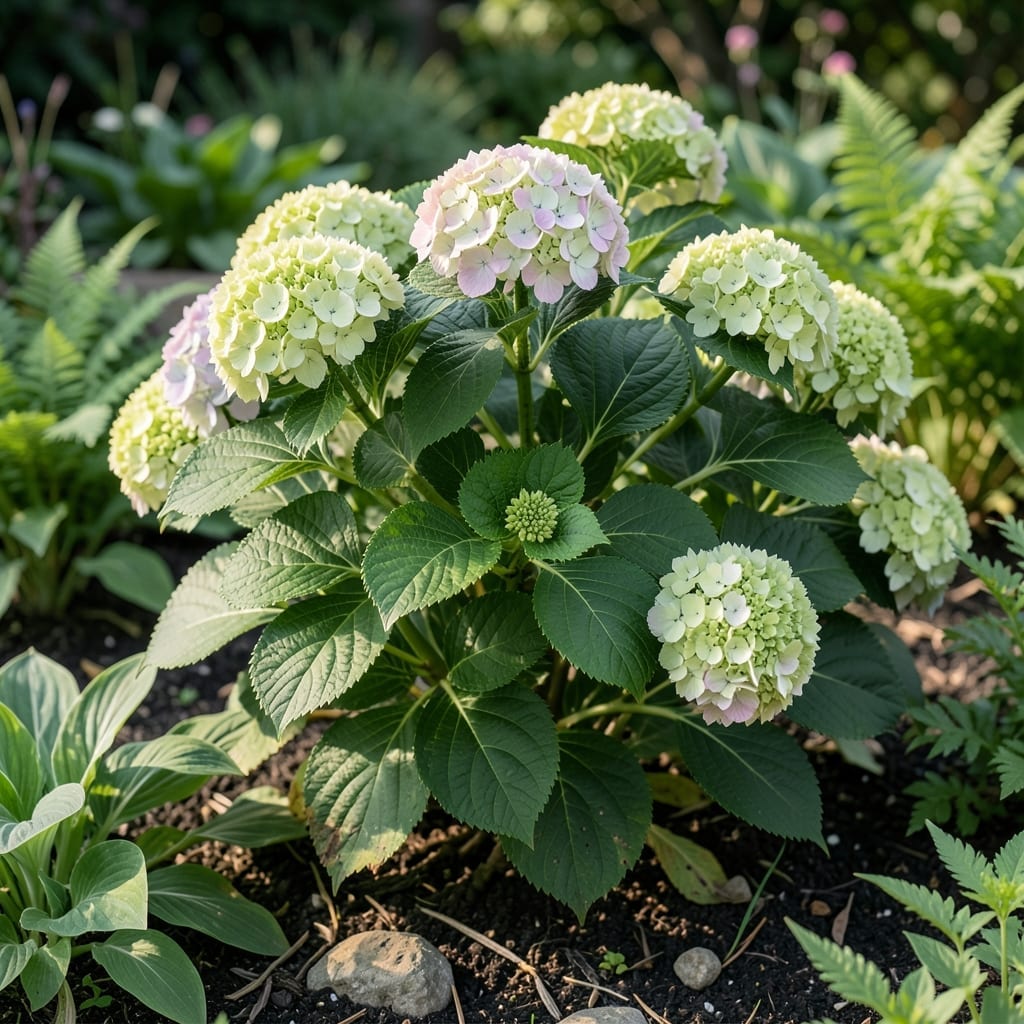
First time I saw my hydrangeas turning green, I panicked. 🌿 Then I learned it’s often a simple fix—your soil’s pH or nutrient balance is off, and the blooms are telling you exactly what’s wrong.
Most gardeners assume green flowers mean disease, but it’s usually just an iron deficiency or aluminum imbalance. A quick soil test reveals whether you need to acidify the ground or adjust your fertilizer mix.
With the right tweaks, those green blooms can shift back to vibrant pinks or blues in one growing season. The solution is cheaper than you think and requires only a few basic supplies.
Works for bigleaf, panicle, or oakleaf varieties. Here’s how to diagnose the issue fast and get your hydrangeas back on track.
Hydrangeas turning green instead of their usual vibrant hues usually signal an underlying issue. Here are the most common causes, explained simply with actionable insights:
Green hydrangeas often indicate an excess of chlorophyll, which can happen when the plant lacks other pigments due to nutrient imbalances. A deficiency in phosphorus (which supports flowering and color) or an overabundance of nitrogen (promoting leafy growth) shifts the plant’s focus to foliage, not blooms. Test your soil—if phosphorus is low, use a balanced fertilizer with higher middle numbers (e.g., 10-20-10).
Hydrangea bloom color is famously tied to soil pH. In acidic soils (pH < 6), they turn blue; in alkaline soils (pH > 7), they lean pink. But when pH drifts to neutral (6.5–7.0), chlorophyll dominates, and blooms appear green. Use a soil test kit to check pH. Amend with aluminum sulfate to lower pH or lime to raise it, depending on your desired color.
Too much direct sun can bleach pigments in hydrangea petals, leaving them greenish. Hydrangeas thrive in partial shade (4–6 hours of morning sun). If your plants are in full sun, consider relocating them or adding shade cloth to filter intense light.
Inconsistent watering—either too much or too little—can stress the plant, disrupting pigment production. Hydrangeas prefer moist but well-drained soil. Mulch around the base to retain moisture, and water deeply 2–3 times a week during dry spells.
If your hydrangeas are turning green, these targeted fixes will help restore their vibrant color. Address the issue based on the cause, and follow the prevention tips to keep your blooms looking their best.
If excess nitrogen is the culprit, stop fertilizing immediately. Switch to a low-nitrogen, high-phosphorus fertilizer (like a 5-10-5 blend) to encourage blooming. Flush the soil with water to remove excess nitrogen. Prevention tip: 💡 Test your soil annually and fertilize only as needed.
For pink or blue hydrangeas, test your soil’s pH. If it’s too neutral (pH 6.5–7), add aluminum sulfate (for blue flowers) or lime (for pink flowers) to shift the pH. Apply in small amounts and retest every few weeks. Prevention tip: 🌡️ Monitor pH levels seasonally, especially after heavy rain.
Hydrangeas need morning sun and afternoon shade. If your plant is in deep shade, move it to a sunnier spot or trim back overhanging branches. Prevention tip: ✨ Rotate potted hydrangeas occasionally for even light exposure.
Soggy roots can stress the plant, leading to green blooms. Check soil moisture before watering—stick your finger 1 inch into the soil. If it’s damp, wait. Improve drainage by adding compost or moving the plant to a raised bed. Prevention tip: 🎯 Use a moisture meter for precision.
Yellow-green leaves and green flowers may signal a magnesium deficiency. Dissolve 1 tablespoon of Epsom salt in a gallon of water and spray on leaves monthly. Prevention tip: 🔥 Feed with a balanced fertilizer in early spring to prevent deficiencies.
Yes! With the right fixes, blooms can shift back in one growing season. Adjust soil pH or nutrient balance based on test results. Consistency is key for lasting color changes.
Test soil pH every 2-3 months during growing season, or after heavy rains. Use a home test kit for quick results. Small, frequent adjustments work better than large corrections.
Yes. Mix 1 tablespoon Epsom salt per gallon of water and spray leaves monthly. This provides magnesium directly to the plant for faster recovery.
Hydrangeas thrive with 4-6 hours of morning sun and afternoon shade. Too much sun bleaches pigments, while deep shade reduces flowering. Adjust location as needed.