
Beautiful Plants For Your Interior
Beautiful Plants For Your Interior
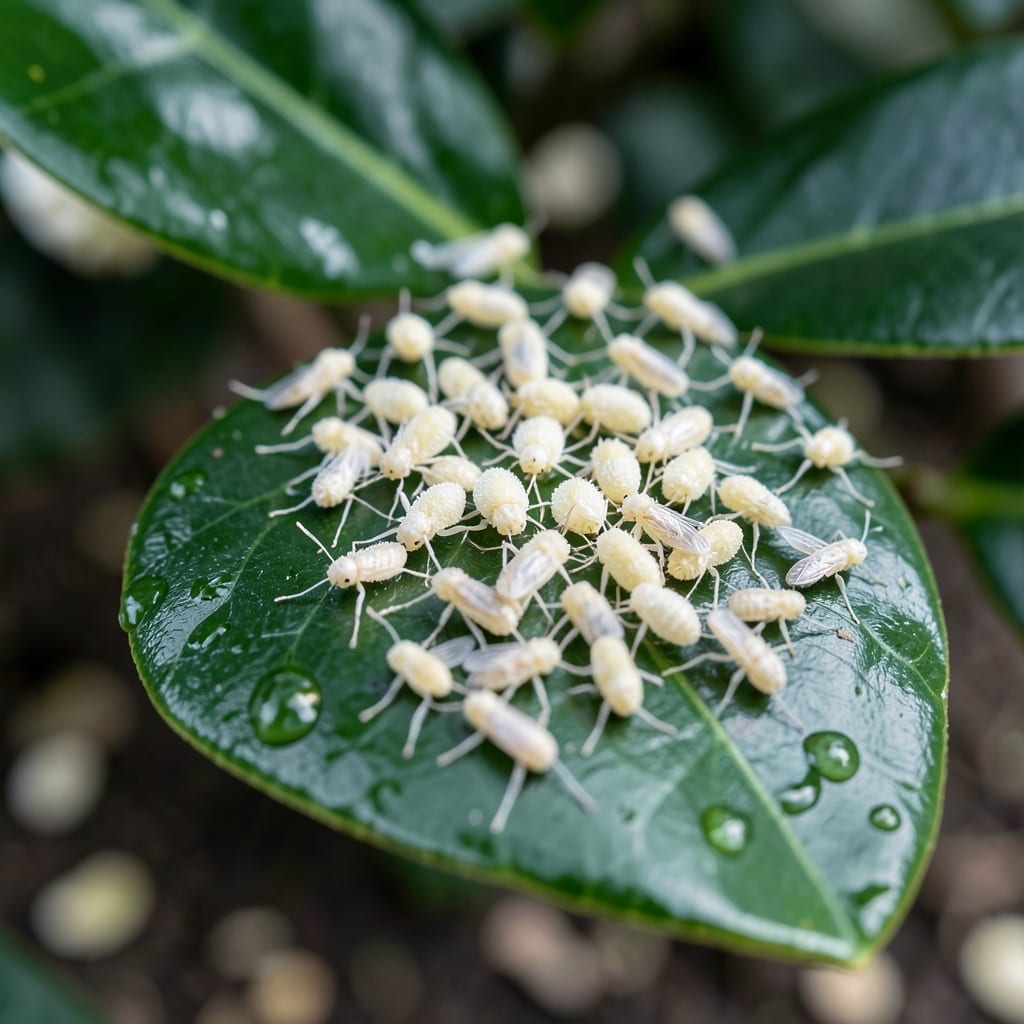
Whiteflies on gardenias hit different—they’re sneaky, stubborn, and can turn glossy leaves into sticky, yellowing messes. I’ve lost count of how many times I’ve battled these pests, but the organic methods I’ve landed on actually work without harming the plant.
Here’s the thing—whiteflies thrive in still air and weak plants. The fix starts with daily inspections and a strong blast of water to knock them off. Then, a soapy spray or neem oil does the heavy lifting.
Within a week, you’ll see fewer clouds of white when you rustle the leaves. The gardenias bounce back fast, and the blooms stay fragrant and vibrant. No harsh chemicals, just consistent care.
Works for potted plants, garden beds, or anywhere these pests pop up. Stick with it, and they won’t stand a chance.
Whiteflies thrive on gardenias due to a combination of environmental and plant-specific factors. Understanding these causes helps prevent and manage infestations effectively.
Excess nitrogen in soil promotes lush, soft growth in gardenias, which is a prime food source for whiteflies. These pests are attracted to the tender new leaves and stems, where they feed on sap. Reduce high-nitrogen fertilizers and opt for balanced, slow-release options to harden plant tissues and deter infestations.
Both overwatering and underwatering stress gardenias, weakening their natural defenses. Overwatered plants develop soft growth, while drought-stressed plants produce stressed sap that’s richer in amino acids—a whitefly favorite. Maintain consistent moisture levels with well-draining soil to keep plants resilient.
Whiteflies proliferate in temperatures between 70–85°F (21–29°C) and high humidity. Gardenias, being tropical plants, often grow in these ideal whitefly conditions. Improve airflow around plants and use yellow sticky traps to monitor and reduce populations early.
In gardens lacking biodiversity, whiteflies face no natural checks from predators like ladybugs, lacewings, or parasitic wasps. Encourage beneficial insects by planting companion flowers (e.g., marigolds, alyssum) or introducing purchased predators.
Whiteflies can quickly take over your gardenias, but these targeted solutions will help you reclaim your plants safely and effectively.
If whiteflies have heavily colonized your gardenia, start by pruning affected leaves and stems. Seal the trimmings in a bag and dispose of them in the trash—not the compost—to prevent reinfestation. This reduces the pest population immediately and gives your plant a fresh start.
Mix 1 teaspoon of mild liquid soap (like Castile) with 1 liter of water and spray it directly on the leaves, focusing on the undersides where whiteflies hide. For added power, blend in 1 tablespoon of neem oil—a natural insecticide that disrupts their life cycle. Reapply every 4-5 days until the infestation clears.
Set up yellow sticky traps near your gardenias. Whiteflies are drawn to the color, and the adhesive surface captures them before they can lay eggs. Replace traps weekly for best results.
With consistency, these methods will keep your gardenias thriving and whitefly-free! 🌿
No, a mild solution of 1 teaspoon soap per liter of water is safe for gardenias. Just avoid harsh detergents and rinse leaves the next day to prevent residue buildup.
Inspect the undersides of leaves every 2-3 days during warm weather. Early detection prevents large infestations and makes treatment much easier.
Avoid applying neem oil in full sun or temperatures above 90°F to prevent leaf burn. Apply in the early morning or late evening for best results.
They may be hitching rides on nearby plants or hiding in garden debris. Remove all infested leaves and improve airflow around your gardenias to discourage their return.